









Importing a Used Chinese EV to Africa in 2026: Rules
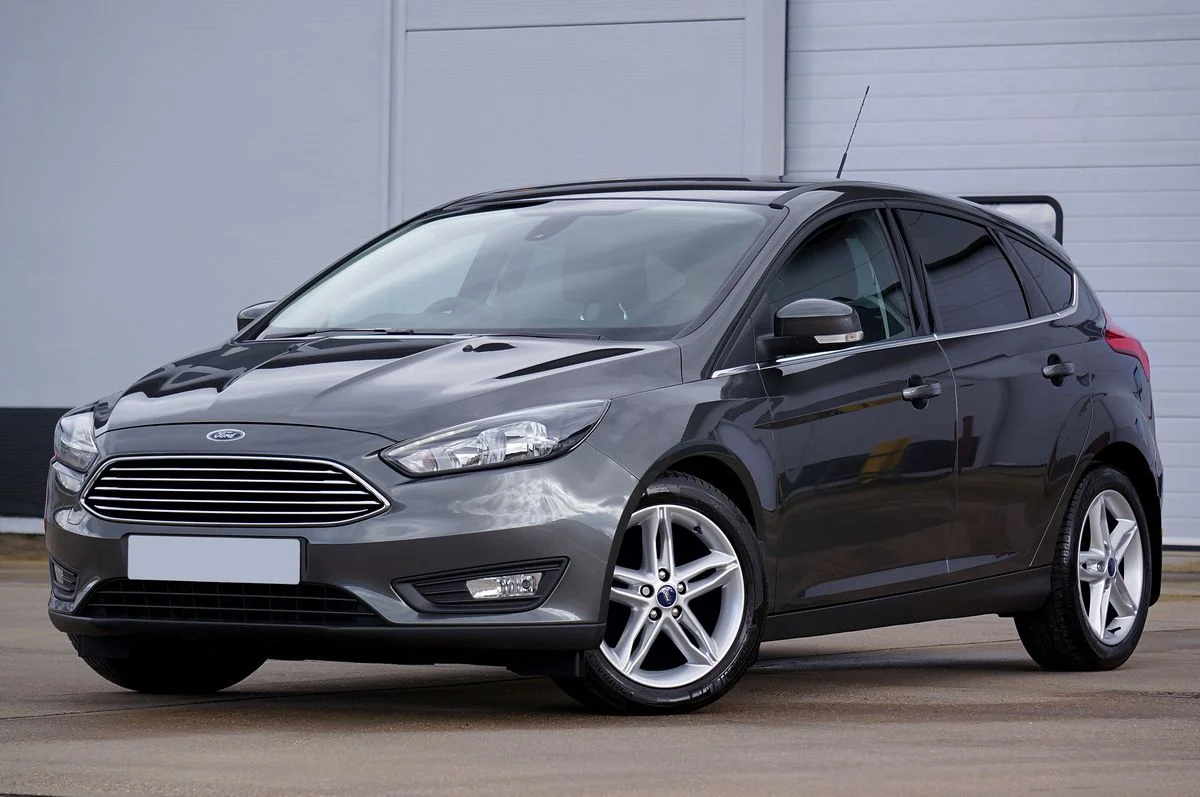
Shipping a used Chinese EV to Africa in 2026 costs $1,200-$2,200 in freight plus local duty that ranges from 5% in Djibouti to 35% in Nigeria. Age limits matter more than price: Kenya will not register a car older than eight years.
Chinese EVs suit African importers better than most people assume. Small battery cars with 300 km range match real driving patterns in Nairobi or Lagos, and they dodge fuel-import headaches entirely.
Which African countries allow used EV imports in 2026?
Most do, with conditions. Kenya limits imports to eight years old and requires a QISJ inspection certificate. Nigeria allows any age but applies a 35% duty plus 7.5% VAT. South Africa restricts used imports to a permit system that favours returning residents. Ethiopia banned petrol car imports outright in 2024, making EVs the default choice.
- Kenya — 8-year age cap, QISJ inspection, ~25% duty
- Nigeria — any age, 35% duty plus 7.5% VAT
- Ethiopia — petrol imports banned, EVs favoured
- Tanzania — 10-year cap, 25% duty on EVs
How long does shipping to Africa take?
From Shanghai to Mombasa takes 22-30 days. To Lagos, expect 35-45 days because of congestion and transhipment. RoRo is cheaper for single units; container shipping is safer for high-value cars and lets you add parts.
Add 10-20 days for clearance at the destination port. Lagos in particular can hold a car for weeks if documents are incomplete.
Which used Chinese EVs work best in Africa?
Small and simple wins. The 2022 Changan Lumin 301 km has a 48 hp motor, a 301 km range and almost nothing to break. It costs $6,500-$8,500 FOB. The 2025 Geely Panda Mini is similar at $7,000-$9,000 with 22 kW fast charging.
For sedans, the 2019 BAIC BJEV EU300 offers 300 km range for $5,500-$7,000. Older battery, low price, easy for local workshops to understand.
What breaks first on these cars in African conditions?
Dust and heat expose weak points fast. Air-conditioning compressors work harder, and cabin filters clog within months. Charging is the bigger issue — many of these cars ship with a portable 220V charger, which is slow but works on ordinary sockets.
Buy at least one spare set of brake pads and a portable charger with each unit. Local availability for Chinese EV parts is thin outside Nairobi and Lagos.
What documents do you need?
You need the original bill of lading, commercial invoice, export certificate, and a pre-shipment inspection report where required. Kenya also wants a QISJ certificate and an IDF from your bank. Missing any one of these can add a week at port.
Key Takeaways
- Freight from China to Africa costs $1,200-$2,200 per car in 2026.
- Kenya caps imports at 8 years old; Nigeria charges 35% duty.
- Small EVs like the Changan Lumin and Geely Panda Mini import cleanly.
- Ethiopia’s petrol ban makes EVs the only practical import.
Related Vehicles
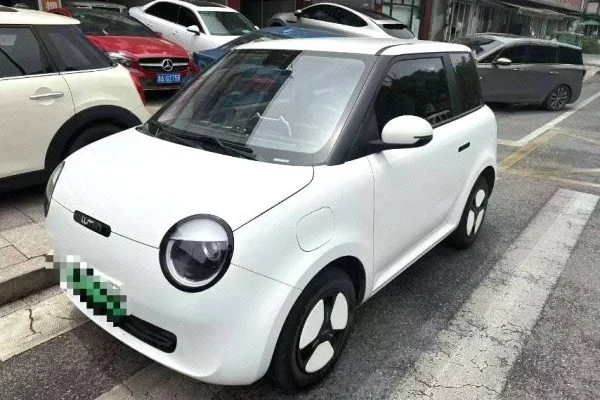
2022 Changan Lumin 301km Mitian Edition (35kW / 48HP) Mini Electric City Car
- 2022
- 18,000 km
- Automatic
- Electric

2025 Geely Panda Mini EV (210km Range / 22kW Fast Charge) Electric City Car
- 2025
- 9,000 km
- Automatic
- Electric
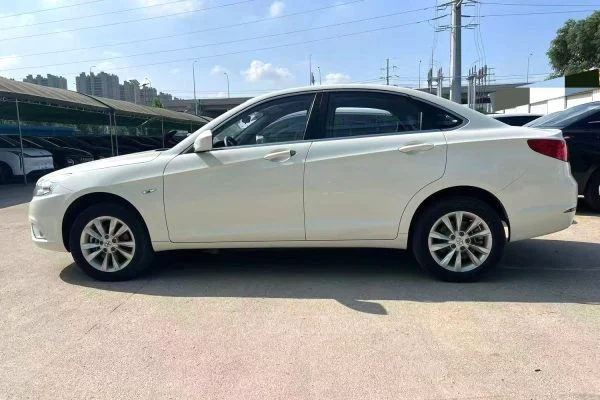
2019 BAIC BJEV EU300 EV for Sale – 136 hp Electric Sedan, 300 km Range, Export Ready
- 2021
- 51,000 km
- Automatic
- Electric