









Exporting Used EVs to the EU vs GCC in 2026: Rules Compared

Exporting used EVs to the EU requires either a WVTA-recognised vehicle or an individual vehicle approval, while GCC states mainly require a conformity certificate and a model-year limit. The EU route costs more and takes longer, but it opens Europe’s largest markets.
Buyers who treat certification as an afterthought lose weeks and sometimes entire shipments. The rules differ enough between the two regions that a single car sale can survive in one and die in the other.
What does the EU require for a used EV import in 2026?
The EU accepts vehicles holding a Whole Vehicle Type Approval, or grants an Individual Vehicle Approval where the model is not covered. IVA means a physical inspection covering lighting, emissions, safety systems and, for EVs, electrical safety and battery integrity.
A 2024 XPeng P7+ Long Range Max is a modern 800V car, but that does not guarantee EU approval. Approval follows the vehicle, model year and equipment, not the technology level.
- WVTA vehicles — simplest, minimal inspection, ready to register.
- IVA route — full inspection, modifications possible, $1,500-$4,000 typical cost.
- Age and emissions rules — vary by member state; some restrict older imports.
- Charging connector — Type 2 and CCS Combo 2 compatibility is expected.
What do GCC countries require instead?
GCC states want a GCC Standardization Organization conformity certificate, a model-year limit, and sometimes an inspection on arrival. Compared with the EU, the process is faster and cheaper, which is why the Middle East has become a leading destination.
Model-year limits vary by country. A 2026 AITO M7 Ultra EREV clears easily anywhere. Older cars may not clear at all, and no certificate changes a hard age limit.
How do the two regimes compare on cost and time?
| Factor | EU | GCC |
|---|---|---|
| Main requirement | WVTA or IVA | GSO conformity certificate |
| Typical cost | $1,500-$4,000 | $400-$1,200 |
| Typical time | 2-8 weeks | 1-3 weeks |
| Age limit | Varies by state | Varies by country |
| Difficulty | High | Moderate |
The EU’s higher bar is why many first-time exporters start with the Middle East, Southeast Asia or Africa, then move up to Europe once they know the process.
Which route suits which vehicle?
Newer, well-equipped EVs with clean documentation suit the EU. Older or unusual models suit the GCC, Southeast Asia or Africa. Matching the car to a region you can actually certify is the single biggest lever on margin.
A 2023 Li Auto L7 Max, an EREV with complex systems, is a harder EU case than a straightforward pure EV, because the hybrid drivetrain adds inspection points. PHEVs and EREVs are not automatically harder, but they are not easier either.
What still catches exporters in 2026?
Three things. Missing or mismatched documentation, modifications that invalidate approval, and expectations that a certificate is a formality. In practice, the paperwork is the process, and the car cannot substitute for it.
Get certification advice before you buy, not after the car is on the water. The strongest deals are the ones where the destination was chosen because the car fits it, not the other way round.
Key Takeaways
- EU imports need WVTA or Individual Vehicle Approval; GCC states want a conformity certificate.
- EU certification costs $1,500-$4,000; GCC runs $400-$1,200.
- Time frames differ too: two to eight weeks for the EU, one to three for the GCC.
- Model-year and age limits are hard rules that no certificate overrides.
- Choose the destination your vehicle can actually be certified for.
Related Vehicles

2024 XPENG P7+ Long Range Max (800V Platform / 615km Range) – AI Fastback Sedan
- 2026
- 16,000 km
- Automatic
- Electric
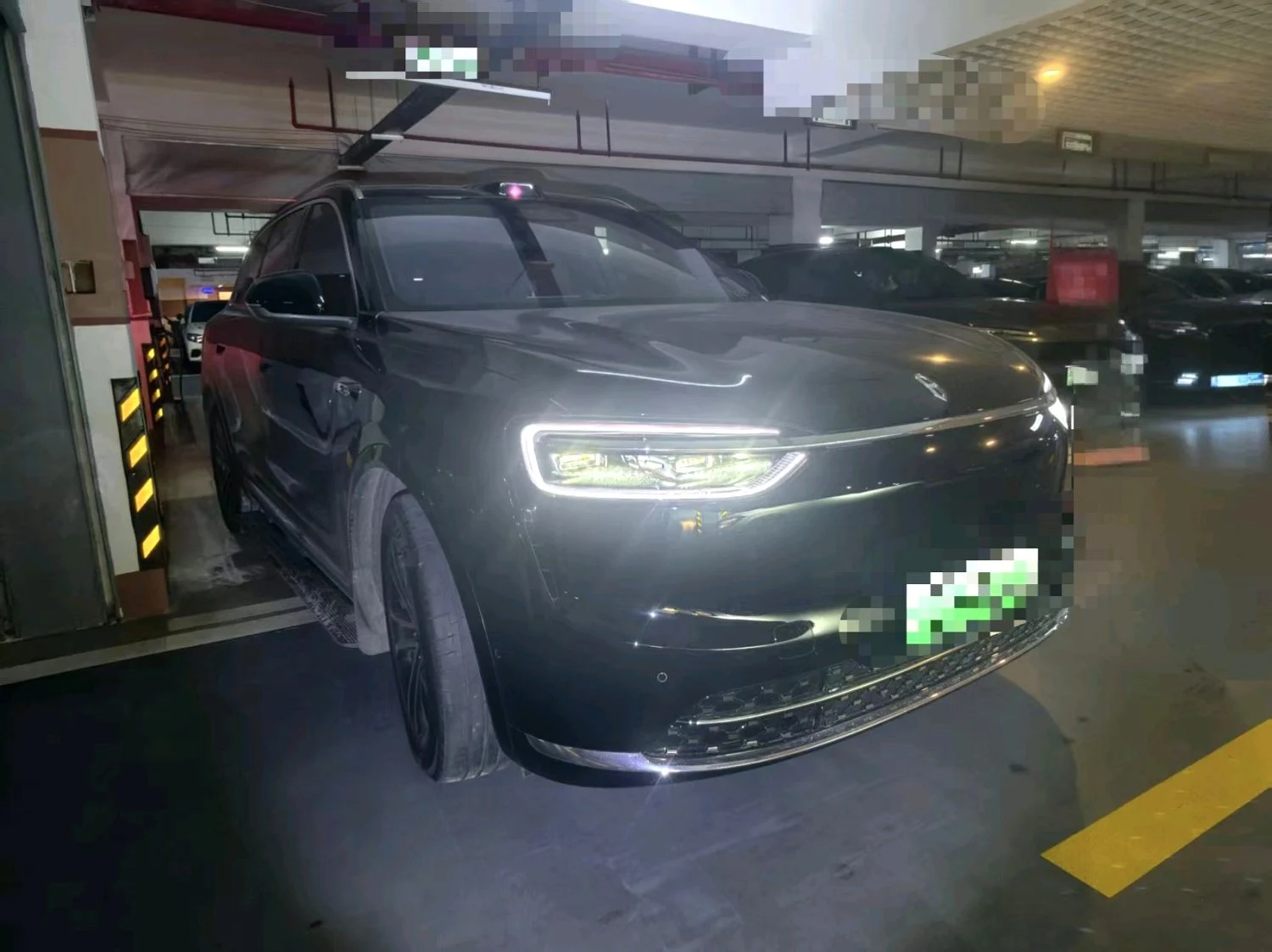
2026 AITO M7 Ultra EREV 4WD (449HP / 192-Line LiDAR) 5-Seater Luxury SUV
- 2025
- 4,000 km
- Automatic
- Plug-in Hybrid
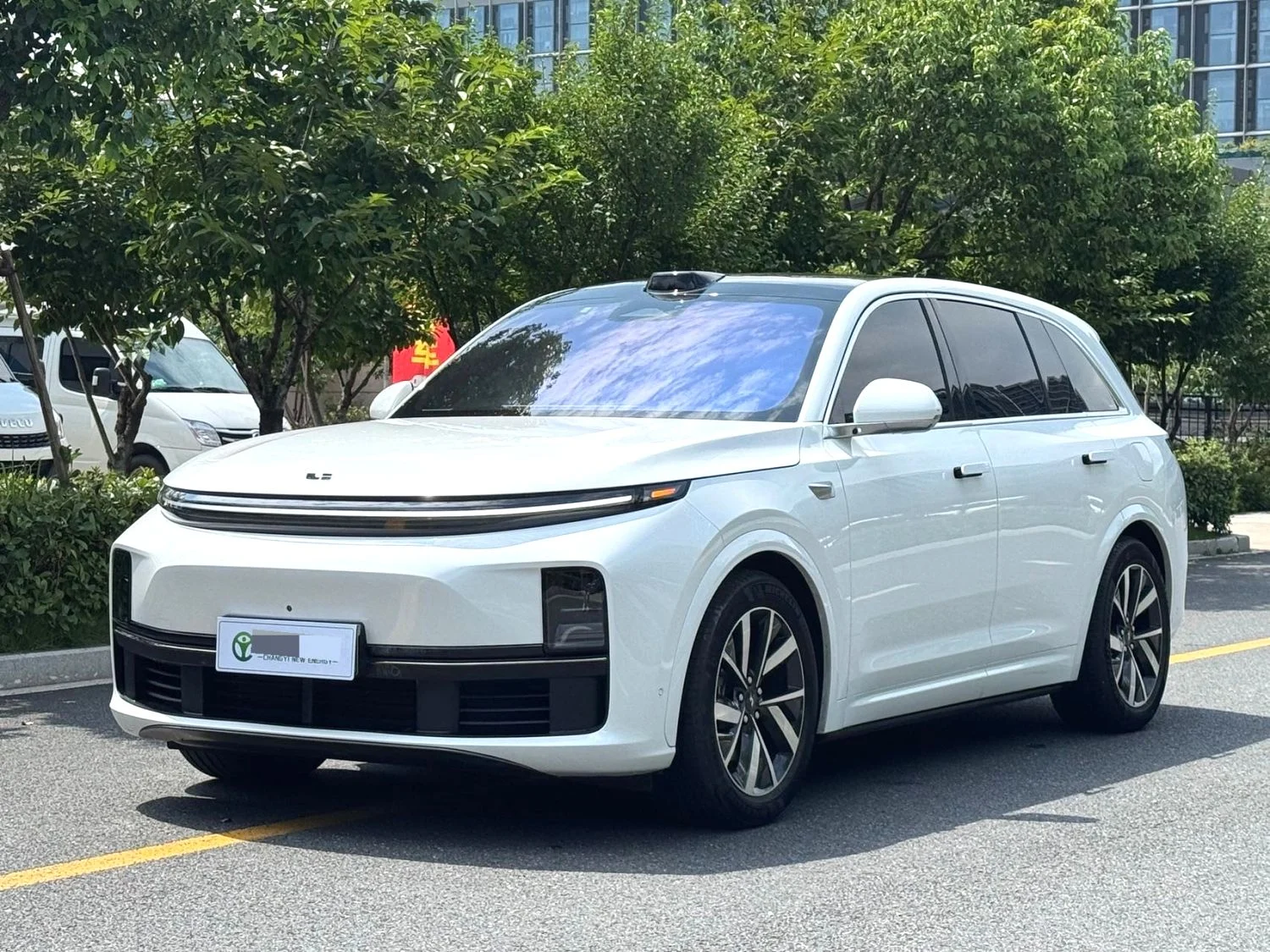
2023 Li Auto L7 Max AWD (449HP EREV / LiDAR & Air Suspension) Luxury 5-Seat SUV
- 2023
- 28,000 km
- Automatic
- Plug-in Hybrid