









China vs Local Used EVs in 2026: A Latin America Price Check

A used Chinese EV landed in Latin America in 2026 often undercuts an equivalent locally sold used EV by 20-35%, mainly because local used supply is thin and priced off new-car residuals. The gap is real, but customs and charging decide whether it survives.
Buyers comparing a $12,000 landed Chinese compact EV against a $19,000 local equivalent usually stop at the price. The interesting questions start after that number.
How big is the price gap between Chinese and local used EVs?
It depends entirely on the market. In Chile, Peru and Colombia, where new EV supply is limited and imported, the gap runs 20-35%. In Brazil, where local assembly and incentives now exist, the gap narrows to 10-20% and sometimes closes for entry models.
| Segment | Used Chinese EV (landed) | Local used equivalent |
|---|---|---|
| City car / hatchback | $10,000-$14,000 | $14,000-$20,000 |
| Compact crossover | $15,000-$20,000 | $20,000-$27,000 |
| Large SUV / PHEV | $18,000-$26,000 | $24,000-$34,000 |
Does the Chinese car actually clear customs?
Usually, but the rules vary by country and by year of manufacture. Several Latin American markets restrict vehicles older than a set age, commonly five to eight years. A 2022 Changan Lumin 301 km clears most markets; a 2019 car may not.
Chile and Peru are the most open. Mexico restricts used imports heavily. Argentina applies layered tariffs. Before you buy, confirm the age cap and the tariff band for your destination, because no seller can override a customs rule.
What does the local alternative give you that the import does not?
Service, warranty and resale certainty. A locally sold used EV has a dealer network behind it and a documented local history. A Chinese import relies on the importer you chose. If that importer disappears, your parts supply disappears with it.
That is the honest trade-off. You pay 25% less and accept more self-reliance. For a fleet operator with its own workshop, that is fine. For a retail buyer who wants zero hassle, it is a real cost.
Which Chinese used EVs fit Latin America best?
Small, LFP-battery cars with modest power suit the region’s urban traffic and warm climate. LFP handles heat better than NMC, and city range is enough for most buyers. The Leapmotor T03 403 Comfort is close to ideal here: 403 km CLTC, 109 hp, low price.
The 2025 BYD Seagull costs more but brings better parts support. Pay the premium if resale matters to you. Skip it if you are building a fleet you will run into the ground.
Is the charging network a deal-breaker?
For most city cars, no. For anything relying on public fast charging, yes. Chile and Brazil have decent corridors; other markets are patchy. If your buyers cannot charge at home, a Chinese EV import becomes a hard sell regardless of price.
Key Takeaways
- Landed Chinese used EVs undercut local used cars by 20-35% in Chile, Peru and Colombia.
- Brazil’s local production narrows the gap to 10-20%.
- Age caps and tariffs, not shipping, decide which cars qualify.
- You trade dealer support for price; self-reliance is the hidden cost.
- LFP city cars suit the region’s heat and urban use best.
Related Vehicles
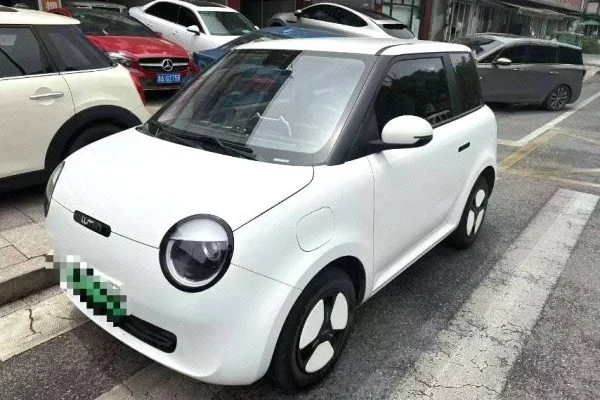
2022 Changan Lumin 301km Mitian Edition (35kW / 48HP) Mini Electric City Car
- 2022
- 18,000 km
- Automatic
- Electric
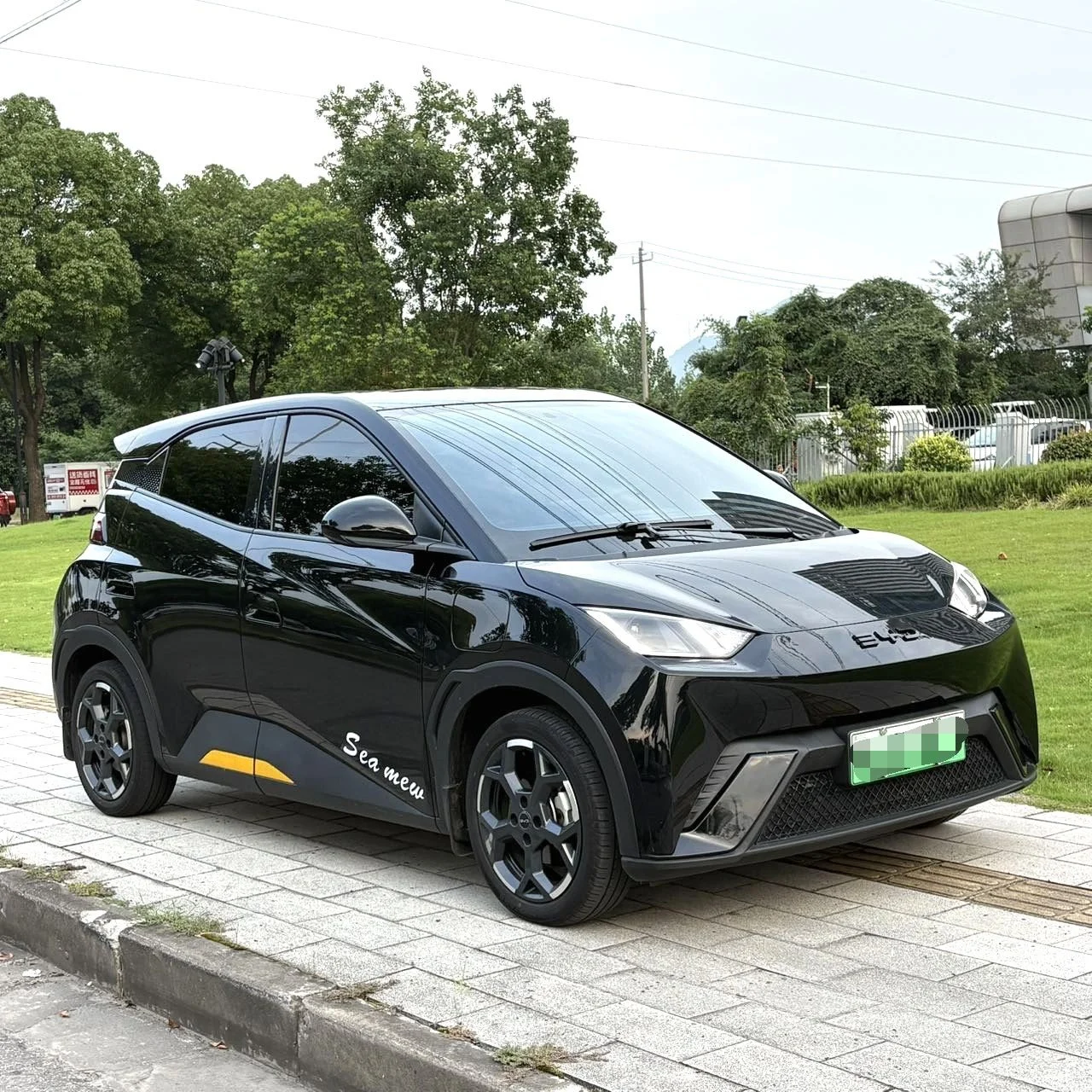
2025 BYD Seagull (Dolphin Mini) 305km Freedom Edition – Compact City EV | Ready to Ship
- 2024
- 35,000 km
- Automatic
- Electric
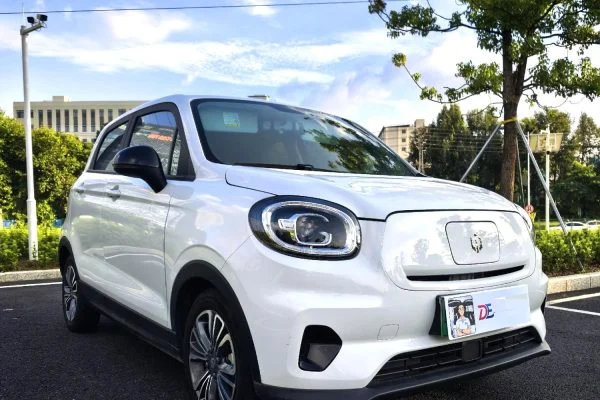
2024 Leapmotor T03 403 Comfort Edition for Sale – 109 hp EV, 403 km Range, Export Ready
- 2024
- 11,000 km
- Automatic
- Electric