









Used EV Battery Health in 2026: How to Check Before Buying
A healthy used Chinese EV shows 90% or better battery state of health at four years, and anything below 80% should cut the price by 20% or more. State of health, not mileage, is the number that decides whether you overpaid.
Mileage tells you how far a car has travelled. It says nothing about how hard the battery was treated. A 40,000 km car fast-charged daily can be in worse shape than an 80,000 km car charged slowly at home.
What is battery state of health and why does it matter?
State of health, usually written SoH, is the current usable capacity as a percentage of the original. A 75 kWh pack reading 85% SoH holds about 63.75 kWh of usable energy. That directly cuts your range and your resale value.
- Above 95% — nearly new; expect to pay close to market.
- 90-95% — normal for a three to four year old car.
- 80-90% — usable but leverage $1,500-$3,000 off.
- Below 80% — walk away unless the price is exceptional and you have a battery plan.
How do you check battery health on a used Chinese EV?
Ask the seller for a BMS scan report and cross-check it against a remote diagnostic app. Chinese EVs expose battery data through manufacturer apps and OBD dongles, which makes remote verification realistic even before you fly in.
- Request the BMS report as a PDF, not a screenshot. Screenshots get edited.
- Compare the reported SoH against the range estimate at 100% charge.
- Ask for the DC fast-charge count; heavy use shortens life.
- Use a third-party OBD scan on a video call to confirm the pack voltage balance.
- Confirm the date of manufacture on the pack label, not just the car.
For a 2024 XPeng P7+ Long Range Max with an 800V platform, the pack is newer and typically reads high on SoH. Older cars need more scrutiny.
Does battery chemistry change what counts as healthy?
Yes, and buyers often miss it. LFP packs, common in Leapmotor T03 and BYD models, degrade more slowly and tolerate full charging, but they underperform in cold weather. NMC packs hold range better in winter but lose capacity faster with age and heat.
A 2023 Li Auto L7 Max is an EREV, so its battery is smaller and cycles harder per kilometre. A 42 kWh pack in an EREV doing 200,000 km sees more cycles than a 90 kWh pack in a pure EV doing the same distance. Check EREV battery health with extra care.
What about manufacturer warranty on an exported battery?
Assume the warranty does not travel with the car. Most Chinese battery warranties are valid only within China and are void once the vehicle leaves the market. A few brands with overseas service networks honour limited cover, but you must confirm in writing before purchase.
Where warranty transfer is impossible, price the risk in. A replacement pack for a compact EV can run $4,000-$8,000. That number should sit in your decision, not at the back of your mind.
Key Takeaways
- State of health, not mileage, drives used EV value.
- Demand a PDF BMS report and verify it with an independent scan.
- Below 80% SoH, negotiate hard or walk away.
- LFP ages slower but struggles in cold; NMC holds range better but degrades faster.
- Battery warranties rarely transfer outside China — price the replacement risk in.
Related Vehicles

2024 XPENG P7+ Long Range Max (800V Platform / 615km Range) – AI Fastback Sedan
- 2026
- 16,000 km
- Automatic
- Electric
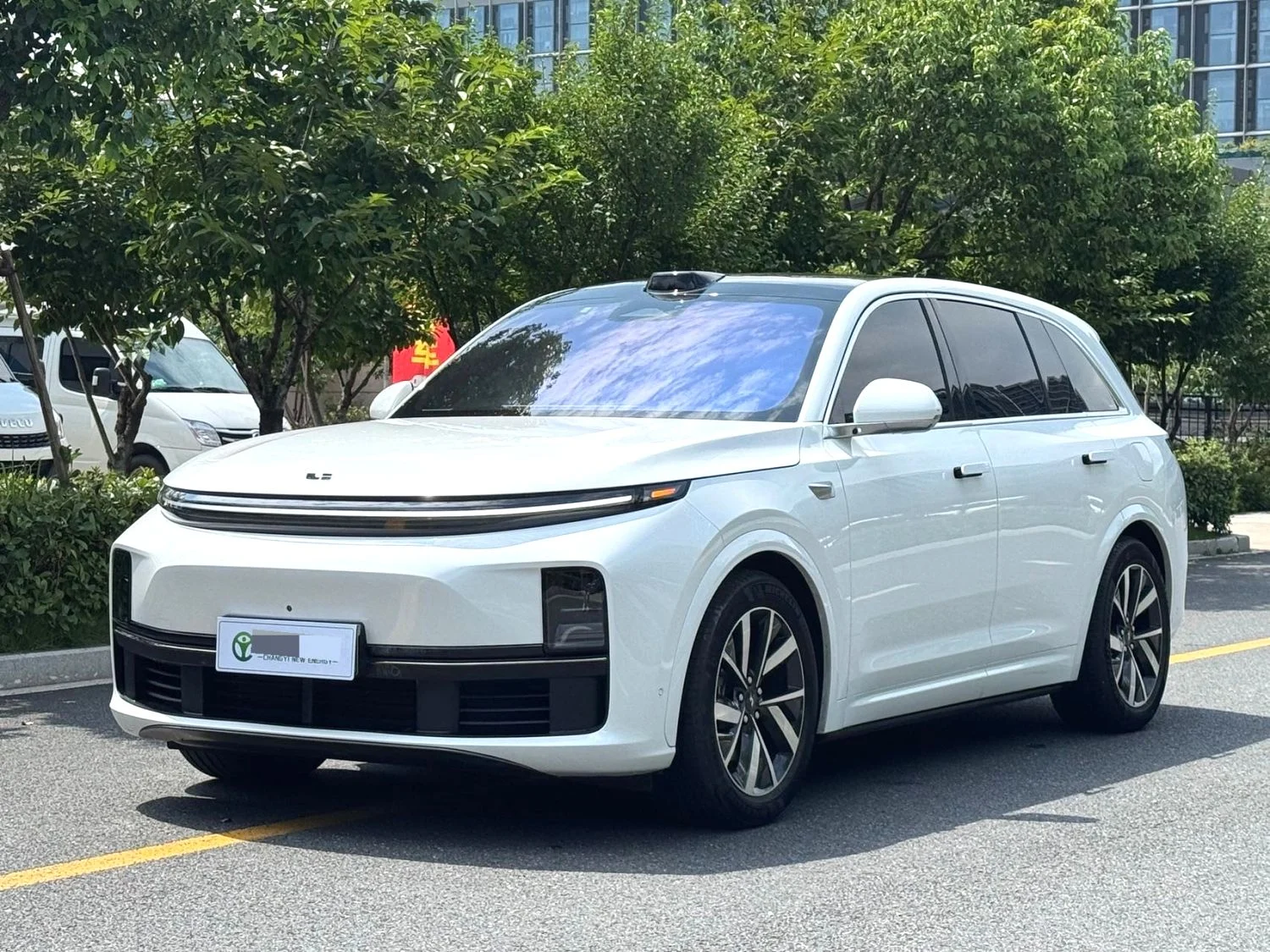
2023 Li Auto L7 Max AWD (449HP EREV / LiDAR & Air Suspension) Luxury 5-Seat SUV
- 2023
- 28,000 km
- Automatic
- Plug-in Hybrid
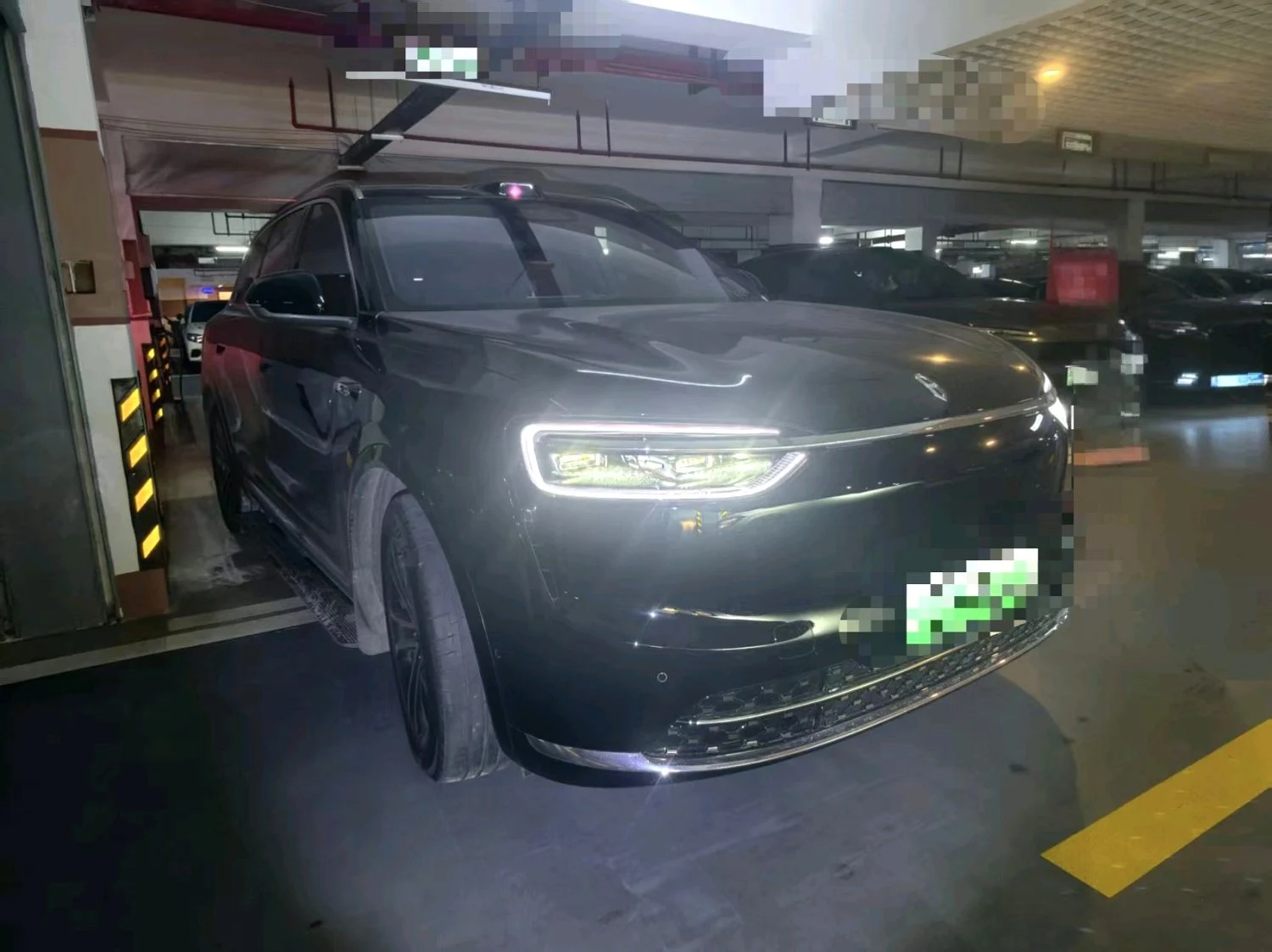
2026 AITO M7 Ultra EREV 4WD (449HP / 192-Line LiDAR) 5-Seater Luxury SUV
- 2025
- 4,000 km
- Automatic
- Plug-in Hybrid