









EREV or PHEV? Choosing a Used Chinese Hybrid for Export 2026

An EREV uses its petrol engine only as a generator and always drives the wheels with electricity; a PHEV can send engine power straight to the wheels. For used Chinese exports in 2026, that single design difference drives fuel use, service cost and resale value.
Buyers mix up the two because both plug in and both have a petrol tank. The marketing does not help — Chinese brands label both as “new energy”. The engineering does not care what the badge says.
What is the real difference between an EREV and a PHEV?
An EREV is a series hybrid. The engine spins a generator, the generator feeds a battery and motor, the motor turns the wheels. A 2023 Li Auto L7 Max works this way. A PHEV is a parallel or series-parallel hybrid: the engine can drive the wheels directly, usually through a clutch and gears. The 2023 GWM Tank 400 Hi4-T blends both.
- EREV: smoother, quieter, but the engine runs harder under load
- PHEV: better at sustained highway speed, more mechanical parts
- Both: need petrol service plus high-voltage battery service
Which one costs less to run in 2026?
Short trips favour the EREV. If you charge nightly and drive under 150 km a day, the engine barely starts and fuel cost approaches zero. The Li Auto L7’s 1,315 km combined range comes mostly from a large battery plus a generator.
Long highway runs favour the PHEV. At a steady 120 km/h the EREV’s engine must run at high load to feed the motor, which can be less efficient than direct engine drive. A PHEV like the Tank 400 Hi4-T locks into a direct gear and sips fuel. If your buyers commute 200 km at speed, recommend the PHEV.
What breaks, and what does it cost?
Both platforms carry twice the service burden of a pure EV. An EREV has a small 1.5T engine that runs cold-start cycles, so oil dilution is a real issue in cold markets. A PHEV adds a transmission and clutch pack, which raises long-term repair risk.
Parts availability is the bigger problem. A 2026 AITO M7 Ultra EREV or a Lynk & Co 07 EM-P PHEV needs brand-specific service tools for the hybrid controller. In markets without a dealer network, an independent garage may refuse the job. Price that risk in before you buy.
What should an export buyer choose?
Choose an EREV if your market charges cheaply, drives short distances and has a friendly service partner. Choose a PHEV if highways dominate and fuel is cheap. Choose neither if you cannot access brand diagnostics — a pure EV with 400 km range may be the safer import.
The AITO M7 Ultra EREV and the Lynk & Co 07 EM-P represent the two cleanest cases in the current stock.
Key Takeaways
- EREV: engine is a generator; wheels always driven by electricity.
- PHEV: engine can drive the wheels directly, better at highway speed.
- Running cost: EREVs win on short electric trips, PHEVs on long highway runs.
- Service: both need engine and high-voltage service — budget two paths.
- Risk: hybrid controllers often need brand-specific diagnostic tools.
Related Vehicles
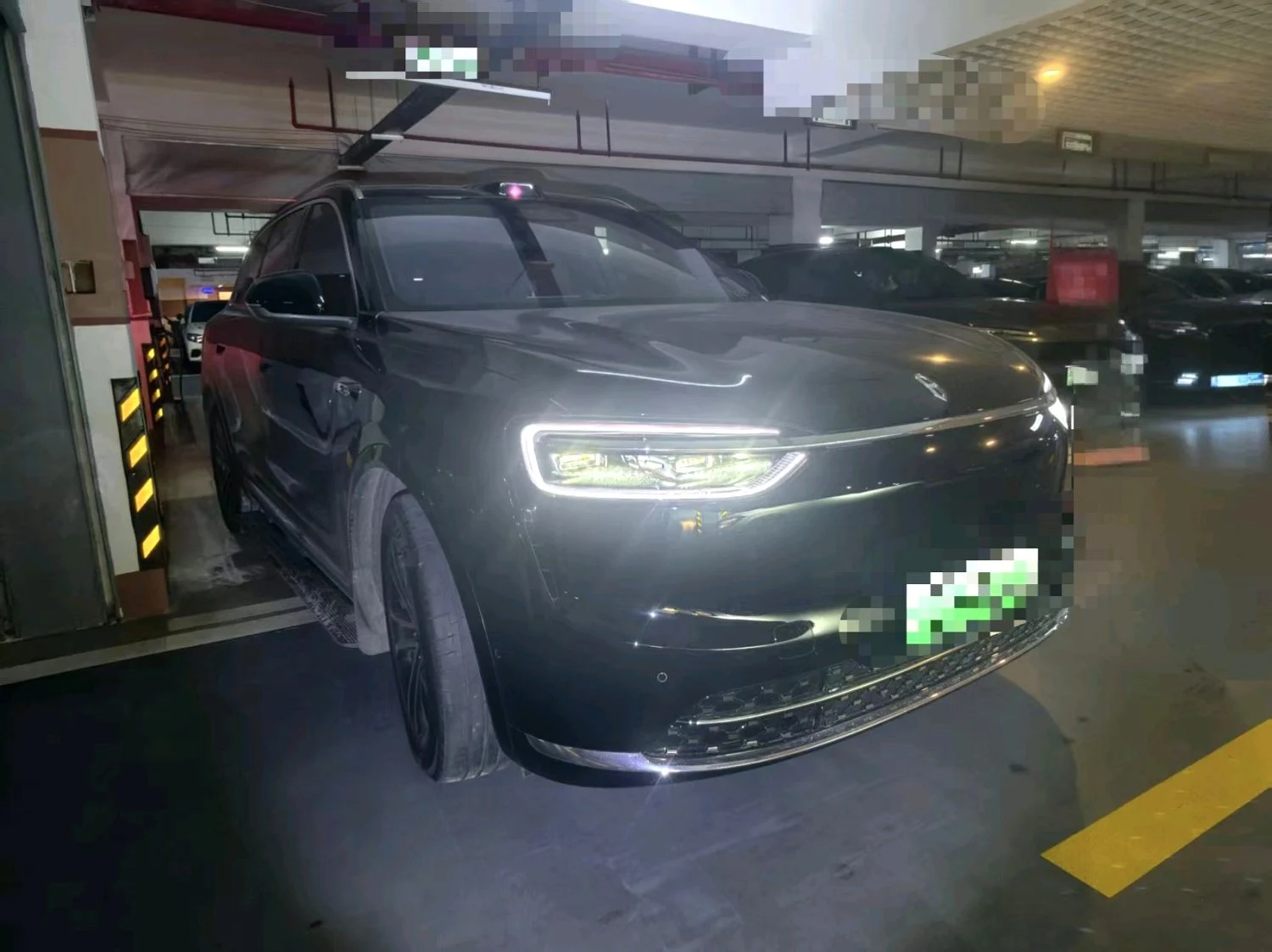
2026 AITO M7 Ultra EREV 4WD (449HP / 192-Line LiDAR) 5-Seater Luxury SUV
- 2025
- 4,000 km
- Automatic
- Plug-in Hybrid
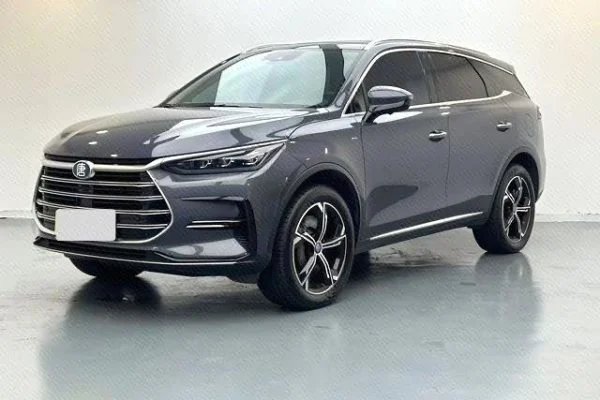
2021 BYD Tang DM 2.0T High Performance AWD (586HP / 7-Seater) PHEV SUV
- 2021
- 67,000 km
- Automatic
- Plug-in Hybrid
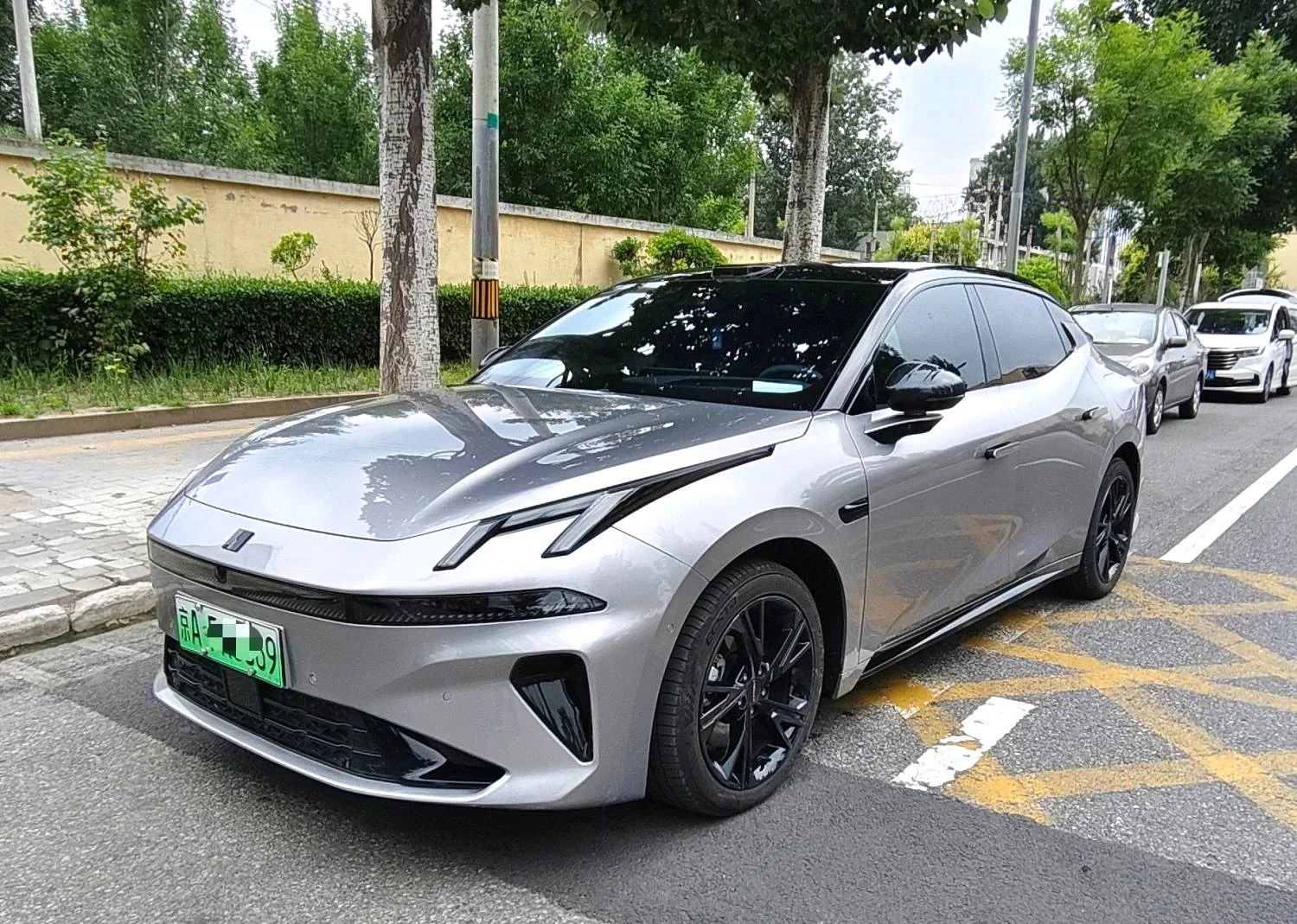
2026 Lynk & Co 07 EM-P 126 Ultra (408HP PHEV / 1450km Range) – Plug-in Hybrid Sedan
- 2026
- 13,000 km
- Automatic
- Plug-in Hybrid