


How to Check a Used EV Battery Before Export

A used EV’s battery is 30–40% of its value, and a state-of-health (SOH) above 90% is the line most buyers now demand in 2026. Anything below 85% cuts resale hard, and below 80% usually kills an export deal outright.
Sellers lie about batteries less than they used to, but vague reports still circulate. Here is how to read one properly.
What is state of health and why does it matter?
SOH measures remaining usable capacity against the original. A 305 km BYD Seagull at 92% SOH still delivers about 280 km in real use. At 78% SOH the same car gives you 238 km and a much weaker resale.
Ask for SOH as a percentage, not a vague phrase like ‘good condition’. A seller who cannot produce a number is telling you something.
What does a proper battery report include?
- SOH percentage from the vehicle’s BMS, not a guess
- Cell voltage spread — healthy packs stay within 30–50 mV
- Charge cycle count — LFP packs handle 3,000+ cycles
- Fast-charge history — heavy DC use accelerates wear
- Battery temperature log — heat damage shows here
A cell spread above 100 mV is a warning. One weak cell drags the whole pack, and replacing it means opening the battery.
How do you get a BMS scan?
Use a dealer-level diagnostic tool or a service like an authorised Chinese EV workshop. On many models a phone app paired with an OBD dongle reads basic data, but only a dealer scan exposes cell-level detail.
For a $30,000 import, a $150 scan is cheap insurance. Some Chinese exporters now include one free with every car, which is a good sign and worth asking for.
Which battery chemistry should you prefer?
LFP cells, like BYD’s Blade battery, tolerate full charging and high heat better than NCM. In the Gulf and Africa that matters, because ambient temperatures punish NCM packs. LFP gives up some cold-weather range, so buyers in Canada or northern Europe should weigh that.
What are the red flags in a battery report?
Missing cycle count, an SOH stated as a range rather than a percentage, or a report older than 30 days. A car that has been sitting uncharged for months can also show inflated SOH readings, because the BMS recalculates once it cycles again.
Key Takeaways
- Demand SOH above 90%; below 85% cuts resale sharply.
- Insist on cell voltage spread, cycle count and fast-charge history.
- A cell spread above 100 mV signals a weak cell.
- Budget $150 for a dealer-level scan on any car above $20,000.
- LFP suits hot climates; NCM holds cold-weather range better.
Related Vehicles
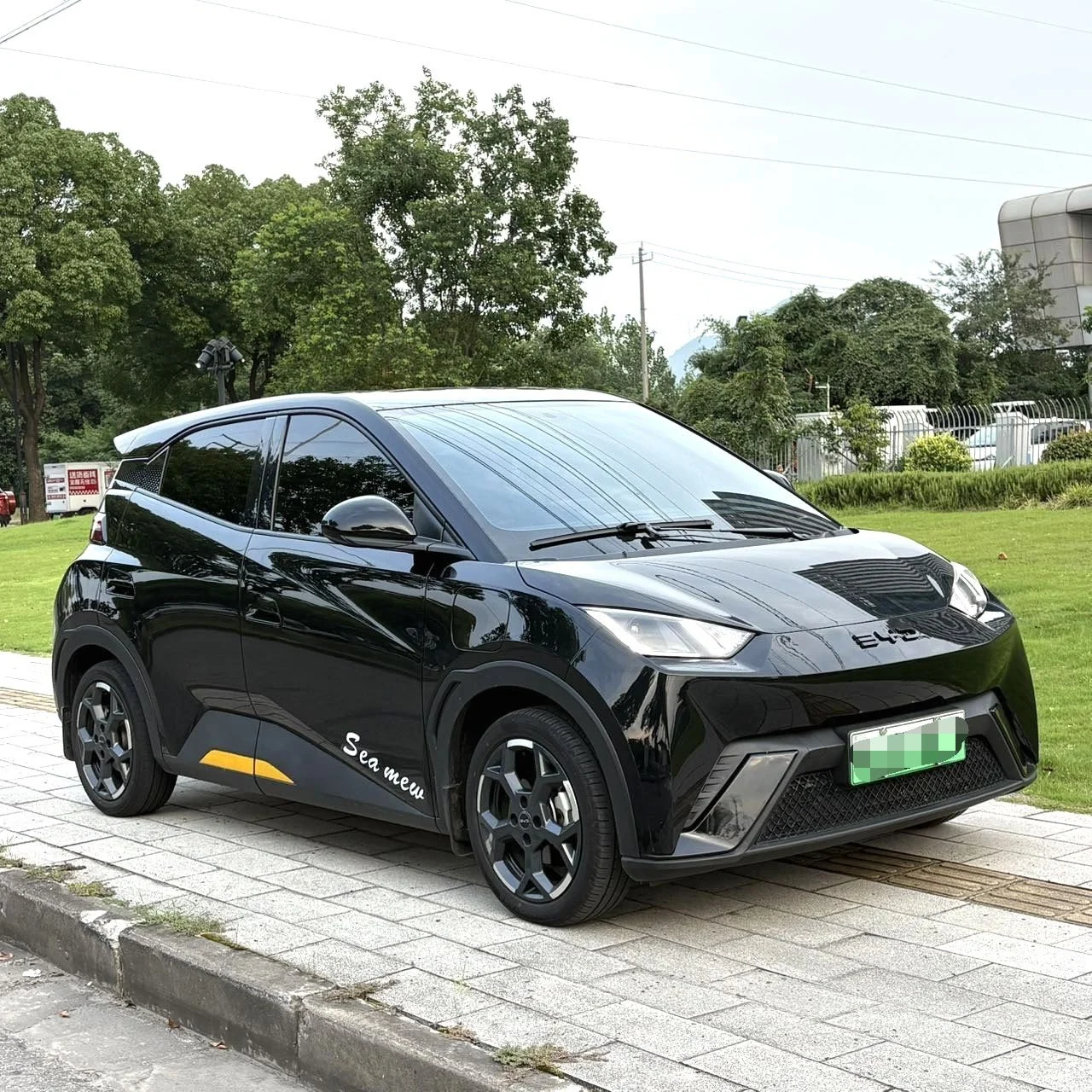
2025 BYD Seagull (Dolphin Mini) 305km Freedom Edition – Compact City EV | Ready to Ship
- 2024
- 35,000 km
- Automatic
- Electric
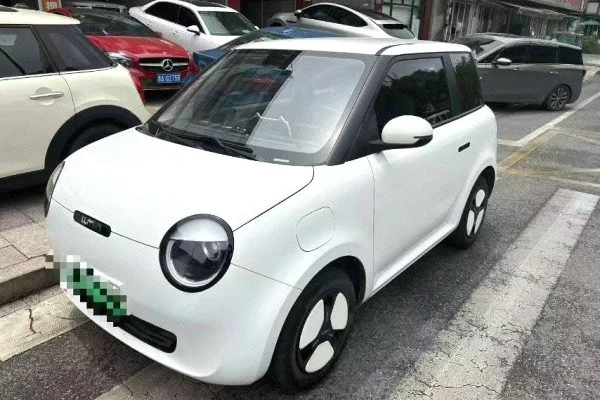
2022 Changan Lumin 301km Mitian Edition (35kW / 48HP) Mini Electric City Car
- 2022
- 18,000 km
- Automatic
- Electric
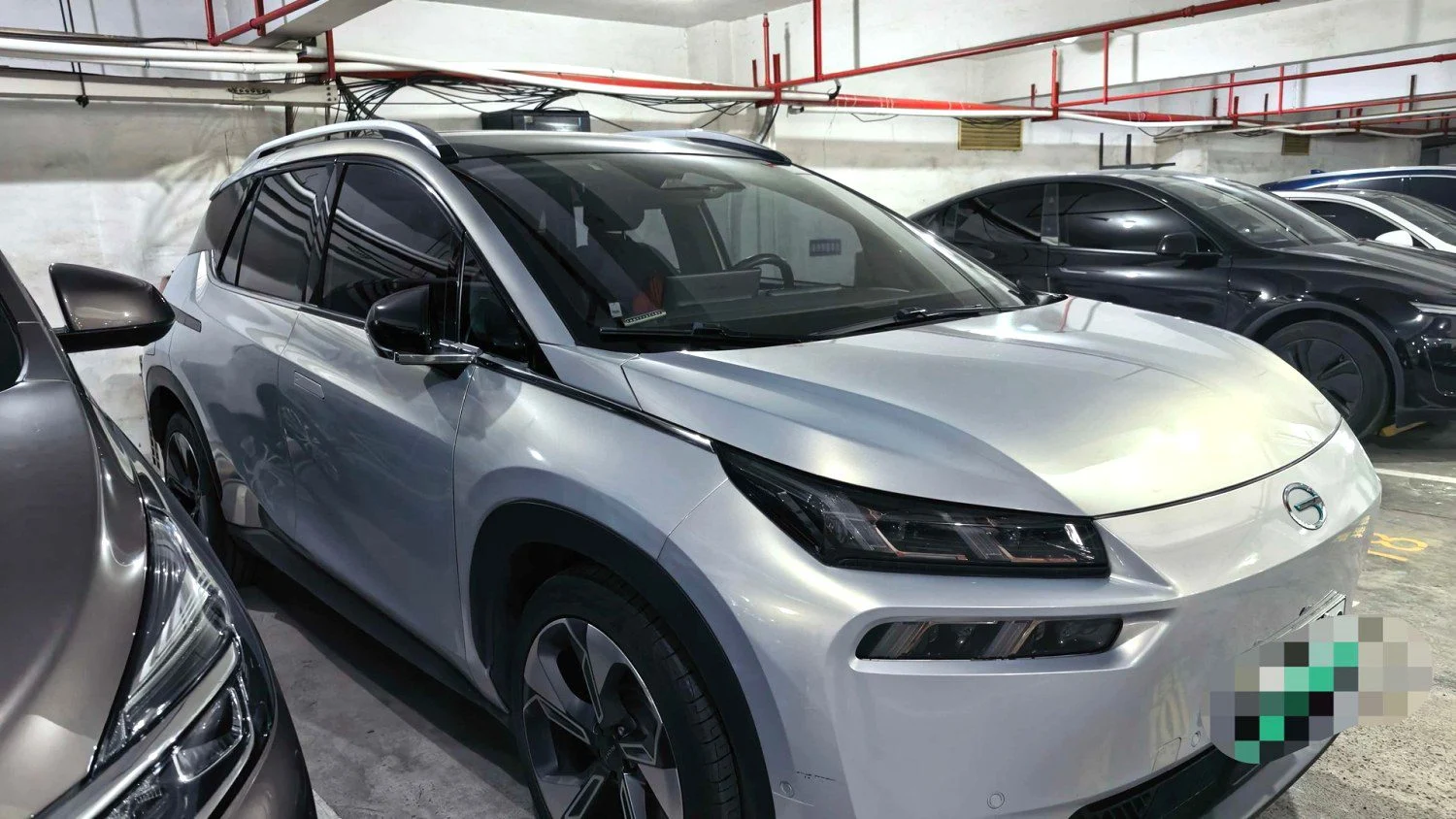
2022 GAC Aion V PLUS 80 Executive | Long Range EV – Super Value @ $28,800
- 2022
- 50,000 km
- Automatic
- Electric
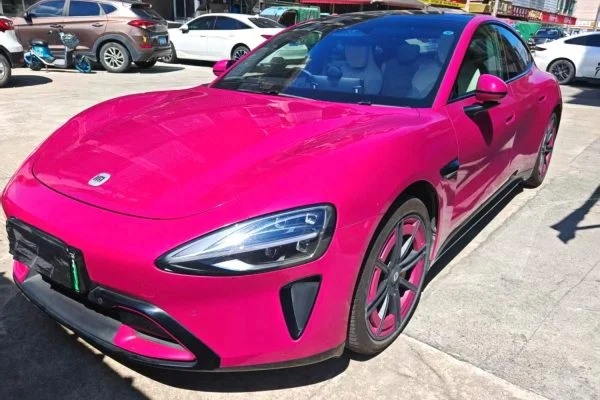
2024 Xiaomi SU7 Founder Edition RWD (299HP / 700km Range) Electric Sedan
- 2025
- 50,000 km
- Automatic
- Electric