









Best Used Electric Cars to Buy in 2026 for $15k

At $15,000 the best used electric cars in 2026 stop being city toys and start being cars you can put on a motorway. Two stand above the rest: the 2026 Changan Qiyuan Q05 506 Max+ at USD 14,500 with 51.9 kWh and a 506 km CLTC rating, and the 2025 BYD Dolphin 420km Free Edition at USD 11,250, which leaves $3,750 in the budget for shipping and adapters.
The list below assumes a buyer who needs a real car: commute, family, occasional 400 km trip. If the need is purely urban, the $8,500 BYD Seagull remains the smarter buy and there is no shame in it.
What should $15,000 buy in 2026?
Three things, as a minimum: 50 kWh or more of LFP battery, a real highway rating above 130 km/h, and a parts network outside China. Cars that miss any of these should not be on your list at this price.
1. Changan Qiyuan Q05 506 Max+ — $14,500 FOB
The Q05 is a 2026 five-seat crossover, 660 km on the odometer, 51.9 kWh LFP, 120 kW (163 HP) front drive, 506 km CLTC. Real range lands at 400-430 km in mild weather and 330-360 km in winter. It charges 30% to 80% in about 30 minutes on DC and takes around eight hours on a 7 kW wallbox.
Equipment on this trim includes a 14.6-inch centre screen, 360-degree camera, six airbags and rear vent. What it does not include is the high-level highway assist package from the top variants — which is precisely why it is the trim to buy. That hardware is what depreciates fastest and fails most expensively.
2. BYD Dolphin 420km Free Edition — $11,250 FOB
44.93 kWh Blade LFP, 95 HP, 12,000 km, 420 km CLTC. The Dolphin’s real range of 320-360 km is only a little behind the Q05 despite carrying 7 kWh less, because it weighs around 1.4 tonnes instead of 1.7. That is the engineering argument for the smaller car.
Against it: 95 HP is enough, not generous, and the cabin is a class smaller. If the household has two adults and two children, the Q05’s extra width earns its $3,250.
3. Neta U-II 400 LFP — best documented battery
A 2022 five-seat SUV with 55.8 kWh of CATL LFP, 163 HP, 401 km CLTC and 428 litres of boot. The Neta U-II 400 LFP is older than the other two but wins on evidence: a comparable 29,500 km example measured 96.17% capacity retention, which is the sort of figure that should make you trust the chemistry.
Neta’s export presence in Southeast Asia and Latin America is the practical reason it makes this list over newer, less familiar brands. A car with no service network is not a bargain at any price.
4. Baojun Yep Plus — the small end of the range
At $12,000-$13,000 the Yep Plus 301 km undercuts everything here except the Dolphin, with 31.9 kWh, 102 HP, five doors and a compact SUV shape. It is a city car with SUV packaging. Real range of 220-260 km limits it to regional work, but as a second vehicle or a fleet unit it is the cheapest sensible option in this bracket.
What should you not buy at $15,000?
A flagship with a 90 kWh ternary pack and a 200,000 km history. That car exists in the used market and it is a trap: the battery is the whole value, and a large nickel-based pack in a hot climate with an undocumented charging history is where used EV ownership goes wrong. A Xiaomi YU7 at $36,500 is a different proposition entirely; at $15,000 the same car with heavy mileage is not.
Also avoid anything where the seller will not produce the BMS state-of-health report. At 660 km the Q05 should read 99-100%. At 12,000 km the Dolphin should read 97% or better. If the numbers are lower, the price should be.
Key Takeaways
- $15,000 buys a 2026 Changan Q05 with 51.9 kWh LFP, 506 km CLTC and 400-430 km real range.
- The BYD Dolphin at $11,250 delivers 320-360 km real range for $3,250 less.
- Neta U-II is the oldest car here but has the best-documented battery retention at 96.17%.
- Mid-tier trims hold value better than top-spec cars because flagship hardware depreciates hardest.
- Avoid high-mileage flagships with large ternary packs and no charging history.
Related Vehicles
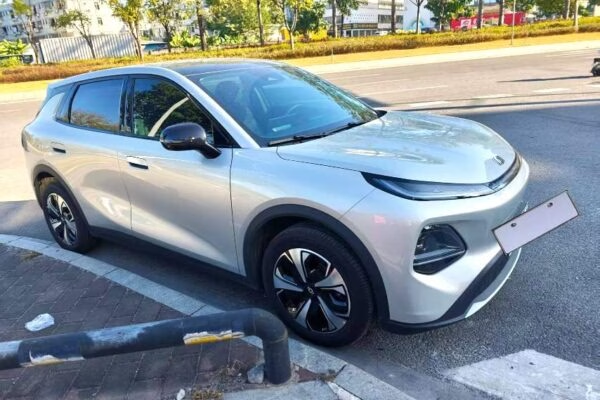
2026 Changan Qiyuan Q05 506 Max+ for Sale — 660 km, 51.9 kWh LFP, FOB Guangzhou
- 2026
- 660 km
- Automatic
- Electric
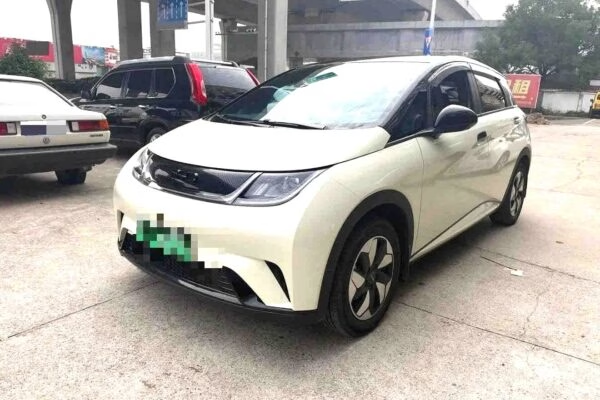
2025 BYD Dolphin 420km Free Edition (95 HP) – 12,000 km, Beige over Brown, Anqing
- 2025
- 12,000 km
- Automatic
- Electric
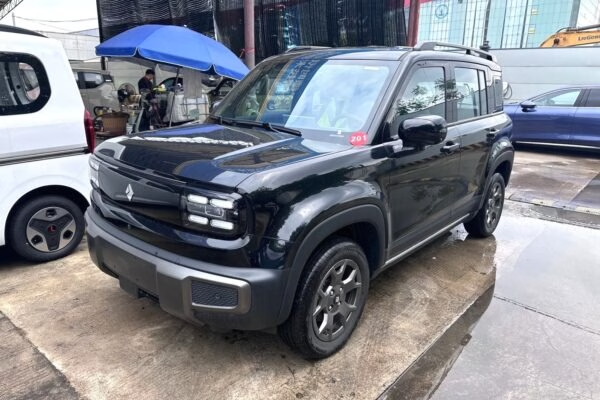
2026 Baojun Yep Plus 301 km Flagship Edition Electric SUV for Sale – 102 HP, 31.9 kWh, 5-Door
- 2026
- 10 km
- Automatic
- Electric
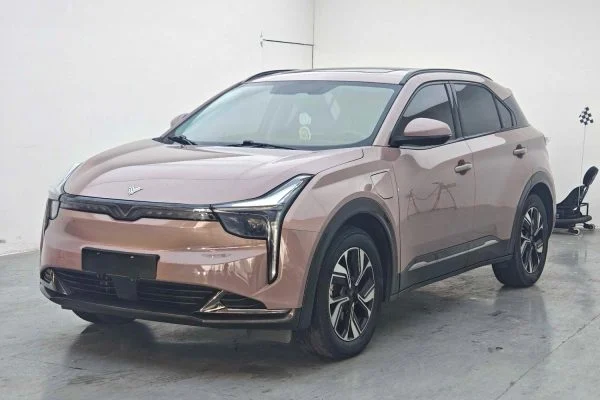
2022 Neta U-Ⅱ 400 LFP Electric SUV for Sale – 163 hp EV, 401 km Range, Export Ready
- 2022
- 24,000 km
- Automatic
- Electric