









Used BYD Sealion 7: 2026 Price and What to Check
A used BYD Sealion 7 runs $23,000-$28,000 FOB China in 2026 for a 2024-2025 car with under 40,000 km. It is the most expensive mainstream BYD crossover on the used export market, and it sits only $4,000-$6,000 below what the same car cost new.
That is a thin discount, which is the first thing to understand. The Sealion 7 depreciated slowly because it launched into a market that wanted it. You are buying a good car at a fair rather than a great price.
What is the Sealion 7 actually?
A 4.83 m fastback crossover on BYD’s e-Platform 3.0 Evo, with an 82.5 kWh Blade LFP pack, rear or all-wheel drive, and 313 hp in single-motor form. CLTC range is 482 km on the RWD car.
Charging is the headline. The Sealion 7 runs an 800V architecture and will take 150 kW at a compatible charger, going 10% to 80% in about 25 minutes. That is a real step up from the Atto 3’s 80 kW ceiling.
Is the 800V platform worth paying for?
Only if you actually use DC fast charging. On AC at home, an 800V car charges no faster than a 400V one.
Here is the arithmetic that matters. Real mixed-driving range on the Sealion 7 lands near 380-410 km in mild weather and 300-330 km in a cold winter. If your daily loop is under 200 km, the platform difference is invisible. You are paying $8,000 over an Atto 3 for a capability you never touch.
For a taxi or ride-hail operator doing two DC sessions a day, the 800V speed pays back inside two years.
Where does the money go on a used one?
Interior and suspension. The Sealion 7 has a larger 15.6-inch rotating screen, a quieter cabin than the Atto 3, and a frequency-selective damper setup that handles broken roads better than anything below it in BYD’s range.
Weight is the trade-off. At around 2,200 kg the car is heavy, and the rear tyres take the wear. Budget for a set at 40,000 km.
Would a Song PLUS or Han be the better buy?
For most buyers, yes. The 2023 BYD Song PLUS EV Champion 520KM gives 520 km CLTC and 71.8 kWh for roughly $15,000-$17,000. It charges slower, but the range, boot and cabin are all close enough that the $8,000 gap is hard to justify.
The 2024 BYD Han EV 506km Honor Edition at about $20,000 is the other alternative: a 5 m executive sedan with the same Blade chemistry, for less than the Sealion.
The Sealion 7 wins on one thing that no spec sheet captures: it is the most comfortable long-distance BYD crossover for four adults. If that is your use case, pay for it.
What should you check before buying a used Sealion 7?
- Battery cell spread. Under 50 mV difference across cells. The 82.5 kWh pack has been reliable, but a single abused car can spoil the sample.
- Damper condition. Drive over a speed bump at 30 km/h. Any knocking from the front means damper replacement, roughly $400-$600 per corner.
- Charge port and onboard charger. Test AC and DC charging before you pay. OBC failures are the single most expensive non-battery repair on 800V Chinese EVs.
- Firmware version. Early Sealion 7 software had slow boot times on the infotainment. Confirm the car has had at least one OTA update since 2025.
A caveat on price. Because the discount from new is small, a 2026 Sealion 7 with 5,000 km is only marginally more than a 2024 car with 35,000 km. When the gap is under $2,000, buy the lower-mileage car every time.
Key Takeaways
- A used Sealion 7 runs $23,000-$28,000 FOB, a small discount from new.
- 800V and 150 kW DC charging only pay off if you fast-charge often.
- A Song PLUS EV 520KM at ~$16,000 covers most of the same ground for $8,000 less.
- Test both AC and DC charging, and budget rear tyres at 40,000 km.
Related Vehicles
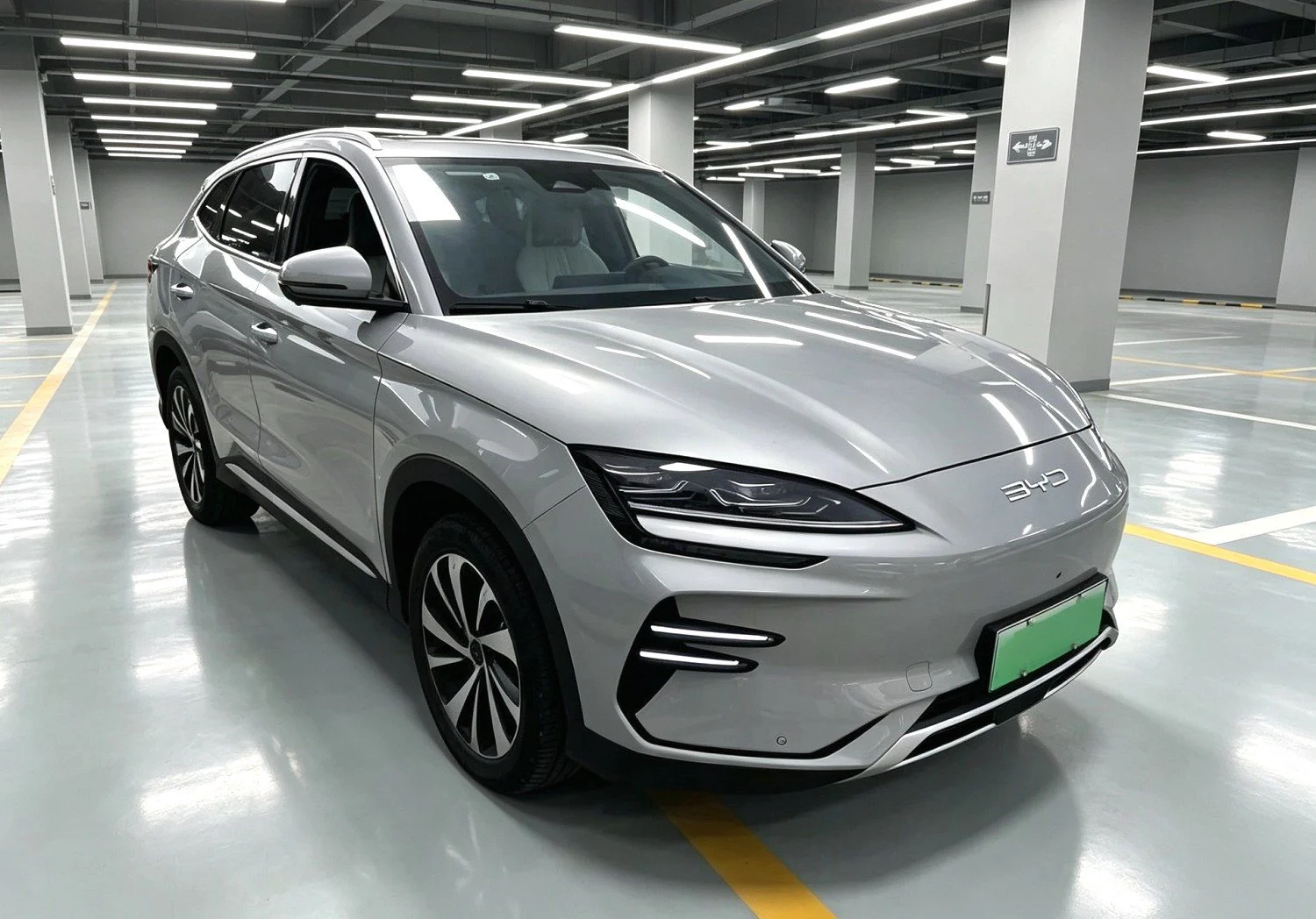
2023 BYD Song PLUS EV Champion Edition 520km Flagship (204HP FWD / Seal U) Electric SUV
- 2024
- 4,000 km
- Automatic
- Electric

2022 BYD Yuan PLUS (Atto 3) 510km Flagship (204HP FWD) Electric Compact SUV
- 2022
- 56,000 km
- Automatic
- Electric
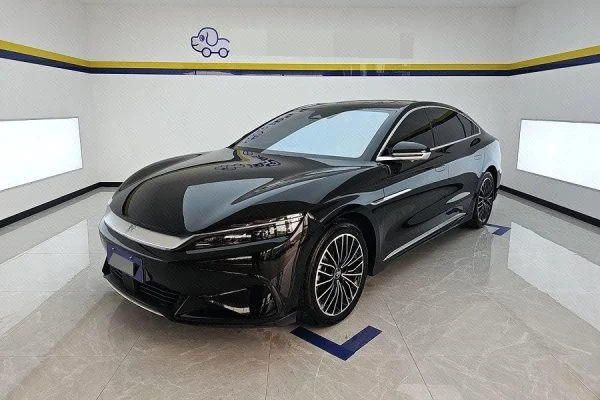
2024 BYD Han EV 506KM Honor Edition Noble (204 HP / FWD) – Executive Electric Sedan
- 2024
- 6 km
- Automatic
- Electric
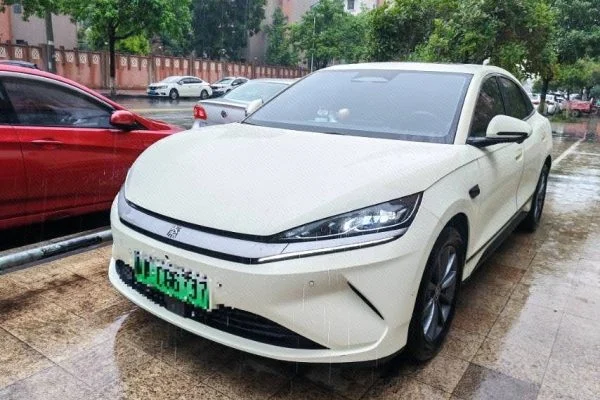
2025 BYD Qin L EV 545KM Beyond Edition for Sale – 218 hp EV, 545 km Range, Export Ready
- 2025
- 28,000 km
- Automatic
- Electric