









Used Electric Cars for Sale: How to Pick One in 2026
Used electric cars for sale in 2026 are cheap, plentiful and uneven in quality. The method that works: pick the battery chemistry first, the model second, and the price third. Get the order wrong and a $9,000 bargain becomes a $16,000 problem.
Most buying guides start with budget. That is backwards for EVs, because the battery is 30–40% of the car’s value and it does not respond to negotiation the way paint and trim do.
Which battery chemistry should you look for?
LFP (lithium iron phosphate), almost always. LFP packs tolerate being charged to 100% daily, lose 1–2% capacity a year in normal use, and are cheaper to replace. BYD Blade, CATL Shenxing, Gotion and most 2023+ Chinese EVs use LFP.
Nickel-based packs (NCM) store more energy per kilogram, which is why performance and long-range models use them. They are also more sensitive to heat and fast charging, and they cost 40–60% more to replace. In a hot climate, an NCM pack from 2020 is a liability.
How do you read a battery health report?
Ask for three numbers: state of health percentage, cell voltage spread, and charge cycle count. Healthy looks like 92–97% SOH, under 30 mV spread, and under 600 cycles. Anything above 60 mV spread means balancing issues; anything over 1,200 cycles means the pack has done serious work.
- SOH below 85% on a car under three years old: walk away or demand $2,000+ off.
- Voltage spread over 60 mV: the pack has a weak cell and will need warranty work.
- Cycle count over 1,200 at low mileage: the car was fast-charged constantly.
- No report available: no sale. A BMS dump takes a seller five minutes.
What range figure should you actually plan around?
Take the CLTC number and multiply by 0.72 for everyday planning, 0.62 for hot-climate air-conditioning use, and 0.55 for winter at -5°C. A 500 km CLTC car is a 360 km car in normal weather and a 275 km car in January in Northern Europe.
CLTC itself is a generous cycle — it runs at low average speed with mild acceleration, which flatters city cars. WLTP figures, where available, are 8–14% lower and closer to reality.
Which models are the safest used buys?
| Need | Model | Price band |
|---|---|---|
| City commuter | BYD Seagull | $7,500–8,500 |
| Family crossover | BYD Atto 3 Champion | $13,500–15,500 |
| Cheap five-door | Wuling Bingo | $6,500–7,200 |
| Long-distance sedan | XPeng P7 Long Range Max | $21,000–24,000 |
| Executive EV | BYD Han EV Honor | $17,000–19,500 |
What should make you walk away?
Flood history is the biggest one, and it is invisible in photos. Check the VIN against Chinese insurance records and inspect the underfloor and DC-DC converter housing for corrosion. Second: ex-ride-hailing registrations. Third: cars that had their pack replaced outside a dealer network — the replacement is often a rebuilt unit with unknown cell history.
One more, less obvious: a car with an aftermarket “battery repair” sticker. Pack repairs that involve replacing individual cells rather than modules tend to fail within 18 months.
How should you negotiate price on a used EV?
Anchor to battery replacement cost. If a new pack costs $7,000 and the current pack is at 90% SOH, you have roughly $6,300 of battery value. Subtract that from the asking price to see what you are paying for the rest of the car. If the remainder seems high for a 2022 hatchback, it is.
In practice, sellers who list a used EV with a full BMS report accept 6–10% negotiation. Sellers without one accept 12–18%, because they have less room to argue. Either way, put the SOH figure in writing before payment.
Key Takeaways
- Choose LFP batteries unless you specifically need maximum range.
- Demand SOH, cell voltage spread and cycle count before buying.
- Plan range at 72% of the CLTC figure, less in heat and cold.
- Flood history and ex-fleet use are the two most common hidden problems.
- Price the car by subtracting remaining battery value, not by comparing sticker prices.
Related Vehicles
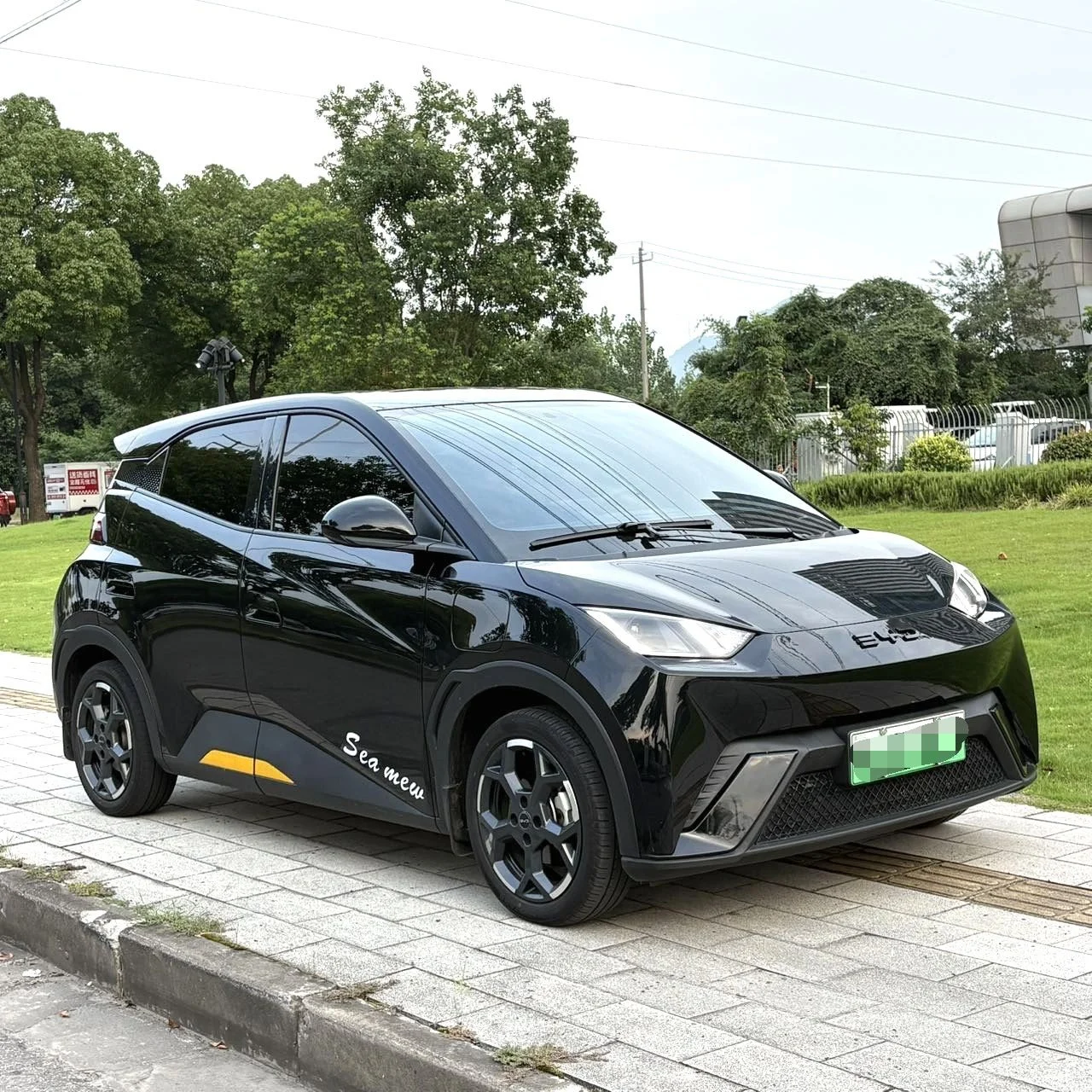
2025 BYD Seagull (Dolphin Mini) 305km Freedom Edition – Compact City EV | Ready to Ship
- 2024
- 35,000 km
- Automatic
- Electric
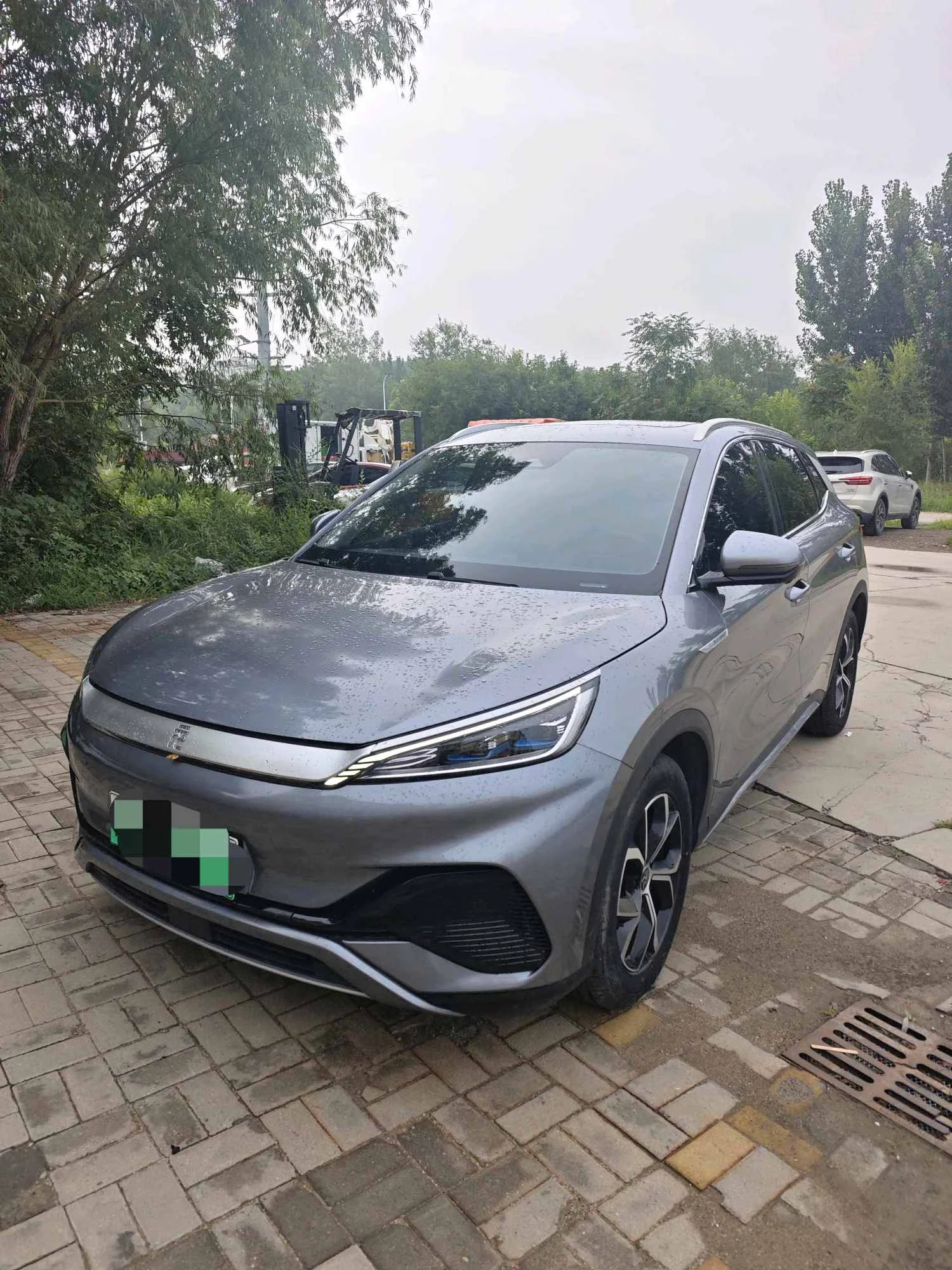
2023 BYD Yuan PLUS (Atto 3) Champion Edition 430KM Beyond (204HP / Blade Battery) EV SUV
- 2023
- 21,000 km
- Automatic
- Electric

2024 Wuling Bingo (Binguo) 333km Enjoy Edition (50kW / 68HP) Electric Hatchback
- 2024
- 60,000 km
- Automatic
- Electric

2024 XPENG P7+ Long Range Max (800V Platform / 615km Range) – AI Fastback Sedan
- 2026
- 16,000 km
- Automatic
- Electric