









Cheap Second Hand Electric Cars for Sale: 8 Picks Under $12k

Cheap second hand electric cars for sale out of China in 2026 start around $4,500 for a 120 km city microcar and top out near $11,000 for a 400 km hatchback. The sweet spot is $7,000–$9,500, where you get a real 300 km+ car with an LFP battery that will outlive the loan.
Most of these cars were sold new in China as second or third household vehicles and never saw a highway. That is good news for a used buyer: low mileage, no towing, gentle charging cycles. It is also why 2022–2024 stock with under 30,000 km is everywhere.
What are the cheapest second hand EVs worth buying in 2026?
Here is the shortlist I would actually put money on, ordered from cheapest to most useful.
| Model | Used price | Range (CLTC) | Why it makes the list |
|---|---|---|---|
| Wuling Hongguang Mini EV | $4,400 | 120 km | Cheapest usable EV on earth; city only |
| Changan Lumin 301 km | $5,800 | 301 km | Doubles the Wuling’s range for $1,400 more |
| Geely Panda Mini 210 km | $5,200 | 210 km | Better build than its price |
| Wuling Bingo 333 km | $6,900 | 333 km | Real 5-door, fits four adults |
| Leapmotor T03 403 km | $8,200 | 403 km | 109 hp, highway capable |
| BYD Seagull 305 km | $7,800 | 305 km | Blade battery, strongest resale |
| BYD Atto 2 401 km | $11,000 | 401 km | Only SUV on the list under $12k |
| GAC Aion Y 500 km | $10,800 | 500 km | MPV-grade rear space |
Is a $4,500 Wuling actually a car you can live with?
In a dense city, yes. On anything resembling a highway, no. The Hongguang Mini EV has 27 hp, a 120 km claimed range that becomes 80 km in real summer traffic, and no meaningful crash structure. It is a scooter with a roof and doors, and it is perfect for that job. Buy it as a second vehicle, never as your only one.
The Changan Lumin and Geely Panda Mini occupy a better compromise: 301 km and 210 km respectively, 48 hp and 41 hp, still small but with a proper door layout. The Lumin at $5,800 is the better value of the two.
Where does the real value start?
Around $7,800. That is where you get a BYD Blade battery, 300+ km of claimed range and enough power to merge onto a motorway without praying. The Seagull is the pick here. Its 30 kWh LFP pack, 75 hp and 12,000 km typical mileage make it the most defensible cheap EV in the Chinese used market.
If you need more space, the Wuling Bingo at $6,900 gives you a genuine five-door with 333 km. The ride is firm and the seats are thin, but the boot takes a week of groceries and the parts network is decent.
What is the catch with cheap used EVs?
Two catches, and neither is the battery. First, charging speed. Most sub-$10,000 cars cap at 30–40 kW DC, which means a 20–80% top-up takes 45–50 minutes. Second, software and parts support outside China. A Wuling module is easy to source from Guangzhou; the diagnostic app might not exist in your language.
- Skip cars with no DC fast-charging port at all — several early microcars have none.
- Avoid anything with a flooded-title history; coastal China floods are common in typhoon season.
- Check the 12V battery age; on cheap EVs it is often the first failure.
- Confirm the charger plug type before you buy — GB/T is standard in China, and adapters cost $150–$300.
Which cheap EV holds its value best?
BYD, by a wide margin. Two-year-old Seagulls are retaining 62–68% of their original Chinese retail price, while off-brand microcars sit near 45%. That gap matters if you plan to sell in three years. It also means the $7,800 Seagull is often cheaper to own than the $5,800 Lumin once depreciation is counted.
Key Takeaways
- Cheap second hand EVs from China run $4,400–$11,000 in 2026.
- The $7,000–$9,500 band is where real 300 km+ cars with LFP batteries begin.
- The BYD Seagull is the value leader; the Wuling Hongguang is city-only.
- Most sub-$10k cars charge slowly — budget 45–50 minutes for a fast top-up.
- BYD retains 62–68% of retail at two years versus about 45% for off-brands.
Related Vehicles
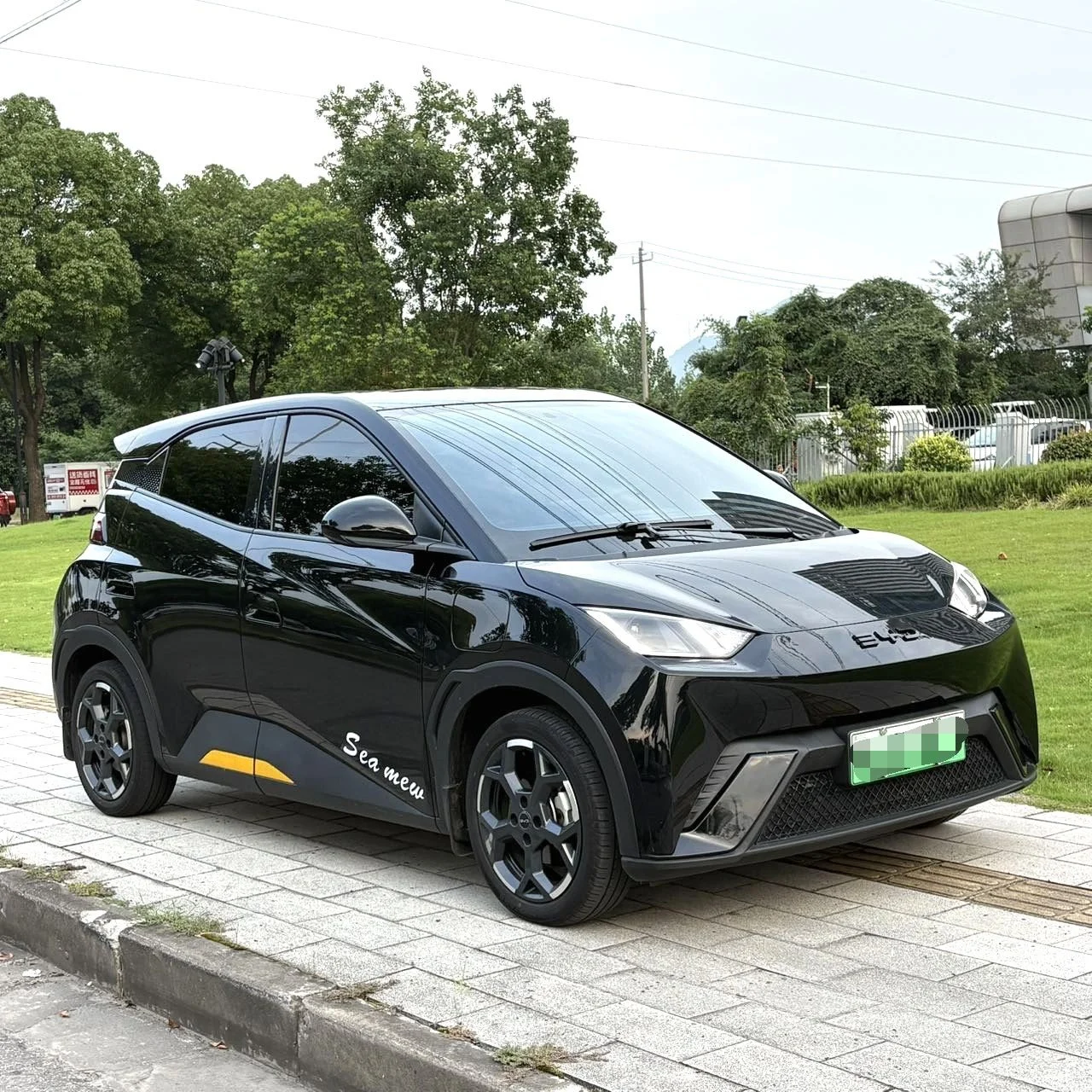
2025 BYD Seagull (Dolphin Mini) 305km Freedom Edition – Compact City EV | Ready to Ship
- 2024
- 35,000 km
- Automatic
- Electric
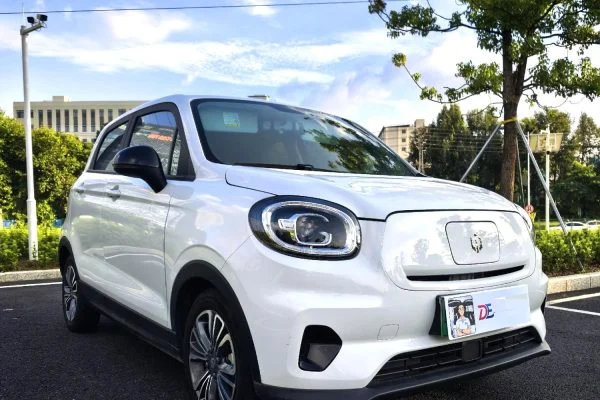
2024 Leapmotor T03 403 Comfort Edition for Sale – 109 hp EV, 403 km Range, Export Ready
- 2024
- 11,000 km
- Automatic
- Electric
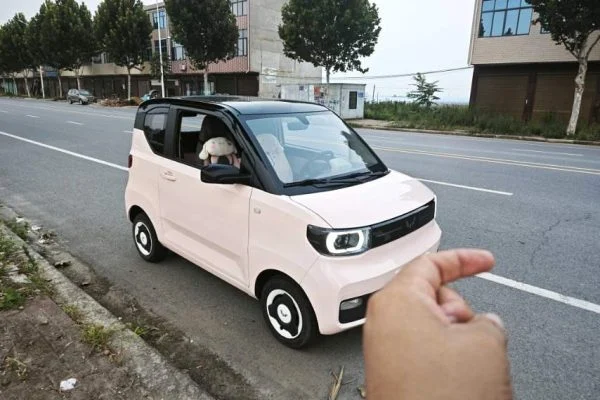
2021 Wuling Hongguang MINI EV Macaron Sandwich 120km (27 HP / RWD) – Compact City EV
- 2022
- 23,000 km
- Automatic
- Electric

2024 Wuling Bingo (Binguo) 333km Enjoy Edition (50kW / 68HP) Electric Hatchback
- 2024
- 60,000 km
- Automatic
- Electric