









Used Electric Cars for Sale: 3 Questions Before You Pay

Three questions decide whether used electric cars for sale are worth the money: what is the battery’s state of health, what range will it give at your typical speed, and can you get parts in your country. Everything else is preference.
Buyers spend hours comparing screen sizes and skip the three things that actually cost them money. Here is the order to do it in, with the numbers that matter.
Question 1: What is the battery state of health?
Ask for a BMS report showing state of health as a percentage and cell voltage spread in millivolts. A healthy 2023 LFP pack reads 95-98% SoH with a spread under 30 mV. Above 60 mV spread, cells are drifting apart; above 120 mV, the pack is near failure.
Refuse dashboard screenshots. They show a guess, not a measurement. A proper report comes from the OBD port with a scan tool, and any serious Chinese dealer can produce one in ten minutes. If they cannot, they have not looked.
- SoH above 93% on a car under 4 years old: buy normally.
- SoH 88-93%: negotiate 8-12% off, still a usable car.
- SoH under 85%: only buy with a documented pack replacement plan and priced accordingly.
Question 2: What range will it really give?
CLTC figures are 25-35% optimistic versus real highway driving. A 2023 BYD Song PLUS EV rated 520 km CLTC delivers about 390 km mixed and 310-330 km at a steady 110 km/h. In winter, closer to 260 km.
Run the arithmetic against your actual week, not your ideal week. If your commute is 45 km each way and you cannot charge at work, you need at least 200 km of guaranteed range to avoid public charging mid-week. Most 500 km CLTC cars clear that comfortably. A 300 km CLTC city car does not.
Also test DC charging speed during the inspection. A car that pulls only 25 kW at 30% state of charge on a 120 kW charger has a thermal or BMS problem, and you will hate it on every long trip.
Question 3: Can you get parts?
This is the question almost nobody asks, and it decides your resale value. A BYD Atto 3 has a dealer or parts importer in most countries. A Zeekr 001 might not — and a windscreen can take six weeks to arrive.
Before paying, phone one local workshop and ask if they service the brand. Call a parts importer and ask for a brake pad price and lead time. Ten minutes of calls beats six months of waiting for a control arm.
Insurers care about this too. Brands with no parts pipeline get loaded premiums or outright refusal. Get an insurance quote before you commit; a car you cannot insure is a car you cannot sell.
What about price — is the market still falling?
Yes, but more slowly than in 2024. Chinese used EV wholesale prices fell about 18% in 2024, 9% in 2025, and are running 4-6% softer through 2026. Buying now means accepting modest further depreciation, not the cliff of two years ago.
Unless you need a specific model, buy the car you will keep five years. Trading a 2024 car in 2027 because you bought badly costs more than any timing advantage.
Key Takeaways
- Demand a BMS state-of-health report above 93% and a cell voltage spread under 30 mV.
- Cut CLTC range by 25-35% for real highway use, and another 25-30% for winter.
- Confirm local parts and insurance support before payment — it drives resale more than spec does.
- Test DC charging speed at 30% SoC; under 60 kW on a fast charger signals a problem.
- Chinese used EV prices are falling 4-6% a year in 2026, slower than the 2024 crash.
Related Vehicles
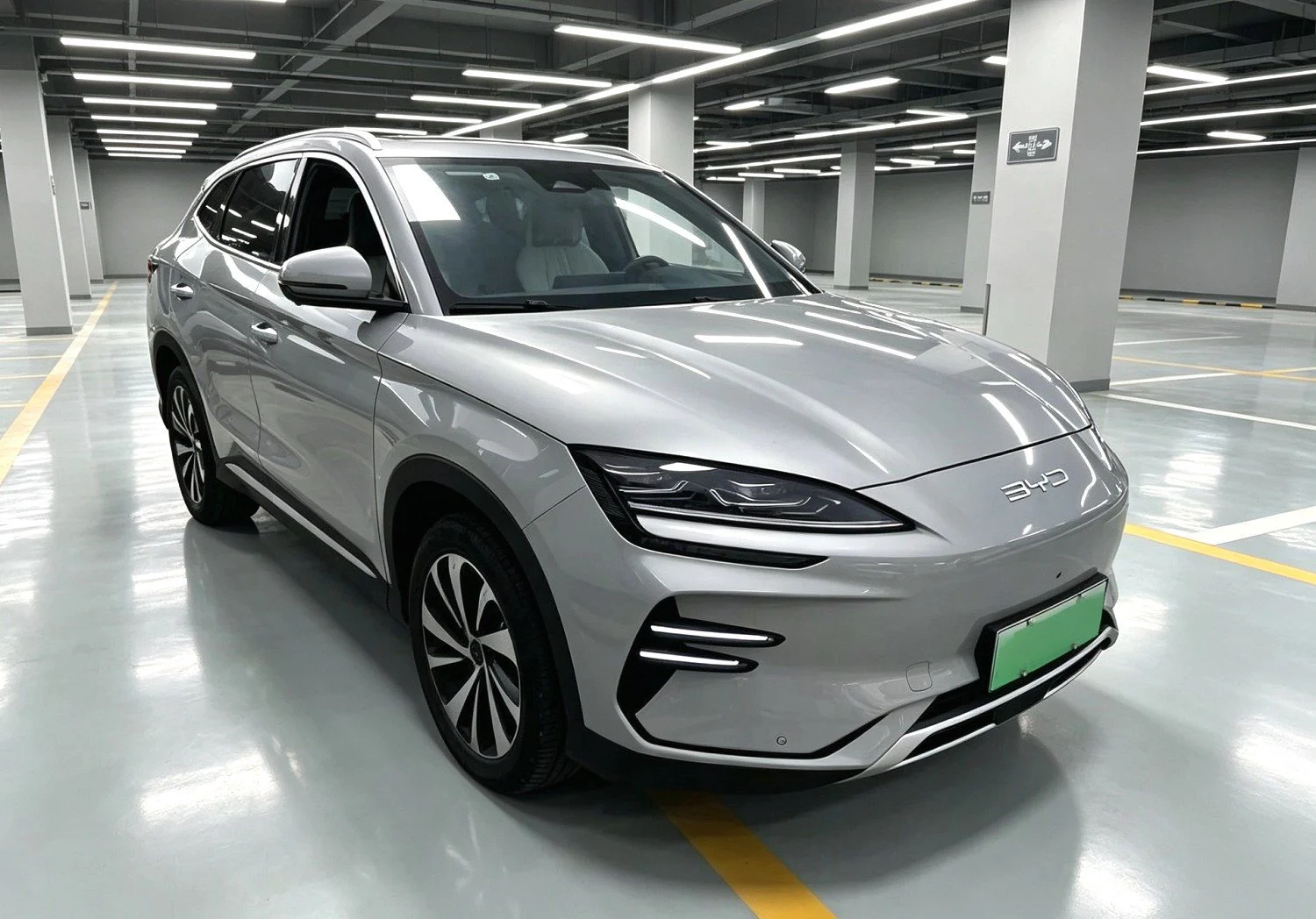
2023 BYD Song PLUS EV Champion Edition 520km Flagship (204HP FWD / Seal U) Electric SUV
- 2024
- 4,000 km
- Automatic
- Electric

2022 BYD Yuan PLUS (Atto 3) 510km Flagship (204HP FWD) Electric Compact SUV
- 2022
- 56,000 km
- Automatic
- Electric
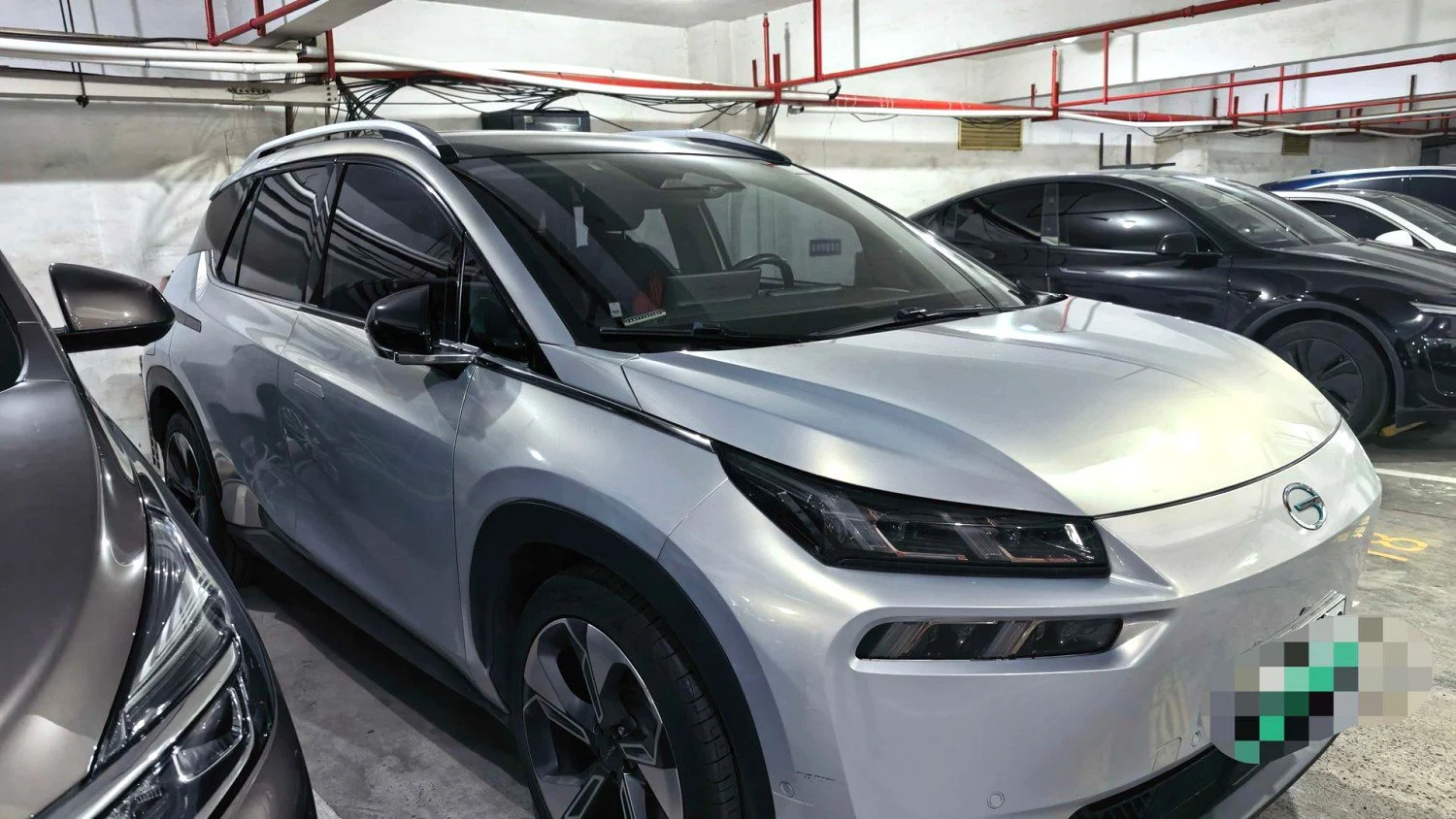
2022 GAC Aion V PLUS 80 Executive | Long Range EV – Super Value @ $28,800
- 2022
- 50,000 km
- Automatic
- Electric
2022 Zeekr 001 Long Range Dual-Motor WE Edition for Sale – 544 hp, 536 km Range, Export Ready
- 2022
- 37,000 km
- Automatic
- Electric