









Used Electric Cars for Sale in 2026: The Honest Guide

Used electric cars for sale from China in 2026 cover a huge range: US$5,500 for a 2023 minicar up to US$22,000 for a 2024 sedan on an 800V platform. Almost all of them use LFP batteries and almost all quote CLTC range that you should discount by 20-25%.
Two years of writing about this market has taught me one thing: buyers do not regret buying a used EV, they regret buying the wrong one. The wrong one is almost always too small, too slow to charge, or from a brand with no parts line.
How much do used Chinese EVs cost in 2026?
Grouped by what you actually get:
- US$5,500-7,000: minicars. Panda Mini, eQ1, Lumin. 200-320 km, 41-48 hp.
- US$7,600-9,000: modern city cars. T03 403, Seagull 305. 300-400 km, 75-109 hp.
- US$9,000-12,000: compact SUVs from 2021-2022. Song PLUS EV, Neta U-II.
- US$15,000-19,000: 2022-2023 premium. Atto 3, Geely Emgrand GSe.
- US$18,000-25,000: 2024 platforms. XPeng P7+, Zeekr 007.
Those are FOB asks for export-ready stock, not retail prices in your country. Expect 30-50% more by the time the car is registered.
What range should you actually expect?
Take the CLTC number, remove 15% for normal mixed driving, then remove another 10% for highway speed. A 400 km car is a 300 km car at 110 km/h, and a 240 km car in winter.
This is not a Chinese EV problem. It is a problem with every optimistic test cycle. The trick is to buy 100 km more range than you think you need, because that margin disappears in year three as the pack degrades.
Which battery chemistry matters more than the brand?
LFP, almost always. It tolerates being charged to 100% nightly, which is how most people actually use a cheap EV. It ages slowly even in hot climates, and it is cheaper to replace.
Its weakness is cold. Below 5°C, LFP accepts charge more slowly and delivers less output. If you live somewhere with real winters, budget for a car with a heat pump and expect 25-30% winter range loss rather than 15%.
What are the real red flags when buying used?
- No battery state-of-health figure. Any seller who will not produce one is hiding something, or has never asked.
- A DC charge curve that never reaches the rated peak. This is the most common hidden fault and the easiest to test.
- Fleet history. Cheap sedans with a fastidiously clean interior and 150,000 km are ex-ride-hailing cars. Check the registration type.
- Brands in retreat. A few Chinese EV makers have shrunk or restructured. If the brand’s dealer count is falling, your parts cost will rise.
Which specific cars would I put money on?
For a city commuter, the 2024 Leapmotor T03 403 Comfort Edition at about US$7,600. It has the best range-to-price ratio on the market and a genuinely useful 300-340 km real-world figure.
For a family, the 2021 BYD Song PLUS EV Luxury with the 71.7 kWh Blade pack. For someone who wants a car that still feels current in 2030, the 2024 XPeng P7+ Long Range Max on its 800V architecture, though the price and the software gating both need scrutiny.
What is the single biggest mistake buyers make?
Buying on the sticker range. A used EV is a battery with a car attached, and the only number that matters is the tested capacity you have today, not the factory claim from five years ago. Everything else — trim, colour, wheels — is negotiation.
One practical habit: request the state-of-health report before you request photos. It saves weeks.
Key Takeaways
- Used Chinese EV prices run US$5,500-25,000 FOB in 2026, set by age and battery tech.
- Discount CLTC range by 20-25% for real highway driving.
- LFP chemistry is the right choice for most buyers, with a winter caveat.
- A flat DC charge curve is the most common hidden fault.
- Buy on tested battery capacity, never on quoted range.
Related Vehicles
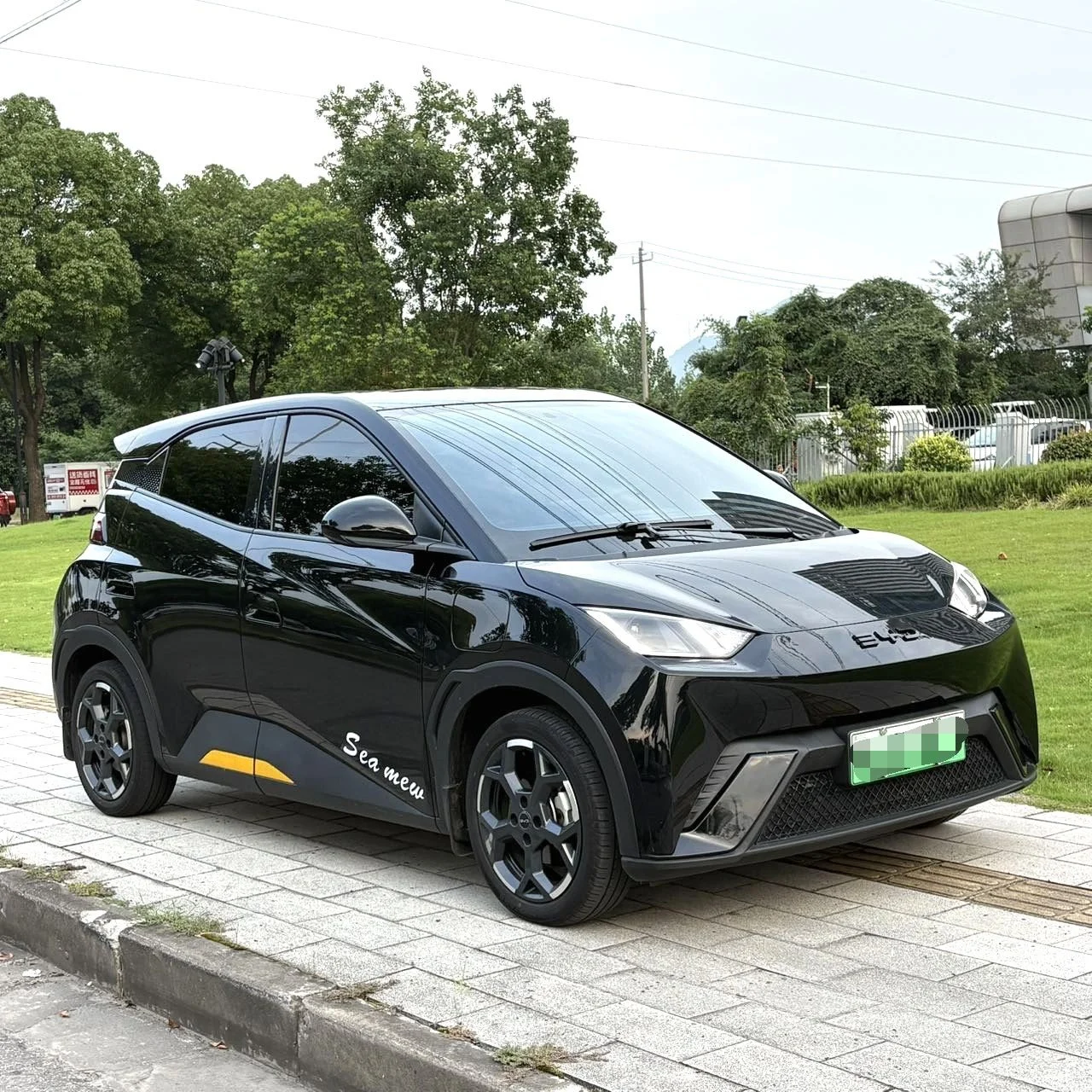
2025 BYD Seagull (Dolphin Mini) 305km Freedom Edition – Compact City EV | Ready to Ship
- 2024
- 35,000 km
- Automatic
- Electric
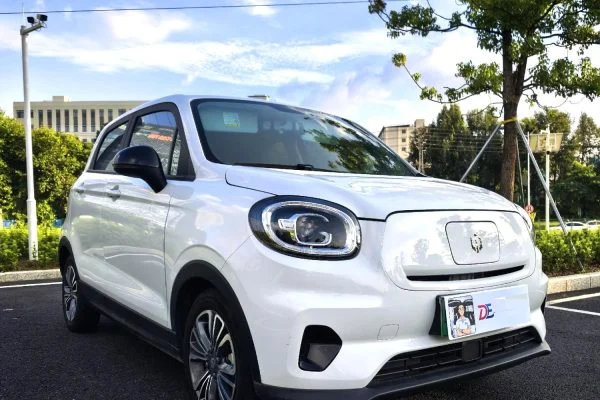
2024 Leapmotor T03 403 Comfort Edition for Sale – 109 hp EV, 403 km Range, Export Ready
- 2024
- 11,000 km
- Automatic
- Electric

2021 BYD Song PLUS EV Luxury Edition (505km Range / Blade Battery) – Electric SUV
- 2023
- 50,000 km
- Automatic
- Electric

2024 XPENG P7+ Long Range Max (800V Platform / 615km Range) – AI Fastback Sedan
- 2026
- 16,000 km
- Automatic
- Electric