









Used Electric Car for Sale by Owner: What to Check First
Buying a used electric car for sale by owner is about 8-15% cheaper than buying from a dealer, and it removes the inspection and warranty you would otherwise inherit. Ask for four documents and run two tests before any money moves.
Private sales of EVs are more common in China than most export buyers expect, because trade-in values are low enough that owners sell directly instead. That is your opportunity and your risk.
What four documents should the owner produce?
- Registration certificate and vehicle licence showing the same name as the seller, with the VIN matching the door jamb plate and the screen menu.
- Battery warranty transfer paperwork. Most Chinese brands offer 8 years or 120,000-160,000 km on the pack. Confirm it transfers to a second owner, because many do not.
- Charging history or app screenshots. The owner’s charging app shows session counts and kWh drawn, which is the closest thing to a service record an EV has.
- Accident and repair disclosure. A repair to the front structure or the battery tray is not necessarily fatal, but it must be declared before the price is agreed.
If the seller cannot produce document two, assume the warranty is gone and price the car 10% lower.
What are the two tests that decide the deal?
Test one: state of health at full charge. Charge to 100% and read the reported range or the diagnostic screen. Then drive 20 km and note consumption. If the reported range drops faster than the kilometres you cover, the pack is misreporting.
Test two: DC charge curve. Plug into a fast charger at 30% and watch the power ramp. A healthy car climbs quickly to its rated peak. A car with a weak cell will sit at half power for ten minutes and never reach the peak.
Both tests take under an hour and eliminate most of the surprises a private EV sale hides.
How do you verify mileage and history on a private EV?
Odometer fraud is rarer than folklore suggests, but stranded cars are common. Ask for the last three insurance certificates, which record mileage annually in most markets. Cross-check against the diagnostic menu, which usually shows total energy used as well as distance.
Energy used divided by distance gives average consumption. If a 2022 car has 40,000 km on the clock and an energy figure suggesting 25 kWh/100 km, it has probably been driven hard or is a retired fleet car.
What price discount is fair for a private sale?
Expect 8-15% below a dealer asking price for the same specification, and treat anything cheaper as a signal. The 2024 Leapmotor T03 403 Comfort Edition sells around US$7,600 through a dealer; roughly US$6,800-7,000 privately would be normal. A US$5,000 example usually has a story.
On a bigger car, the gap is wider in absolute terms. A 2021 BYD Song PLUS EV at US$9,500 from a dealer might be US$8,300 privately, which is exactly the money you would spend on a proper battery inspection.
How should you pay?
In stages. Small deposit to hold the car, balance at transfer, and nothing before the documents are checked. Avoid cash in markets where it is untraceable, and avoid paying in full before the registration is in your name. If the seller insists on full payment before transfer, walk away.
One useful habit: write the battery state of health and the tested range into the bill of sale. If the pack turns out to be 12 points lower than claimed, you have a paper trail.
Key Takeaways
- Private EV sales run 8-15% cheaper than dealer prices and carry no warranty.
- Four documents matter: registration, battery warranty transfer, charging history, repair disclosure.
- Test battery state of health and the DC charge curve before paying.
- Cross-check mileage against insurance records and lifetime energy use.
- Pay in stages and write the tested battery figures into the contract.
Related Vehicles
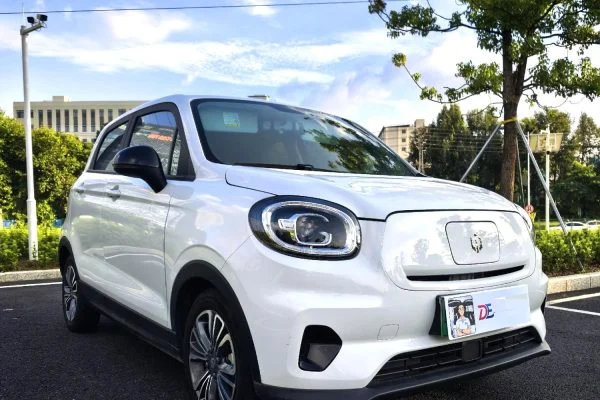
2024 Leapmotor T03 403 Comfort Edition for Sale – 109 hp EV, 403 km Range, Export Ready
- 2024
- 11,000 km
- Automatic
- Electric
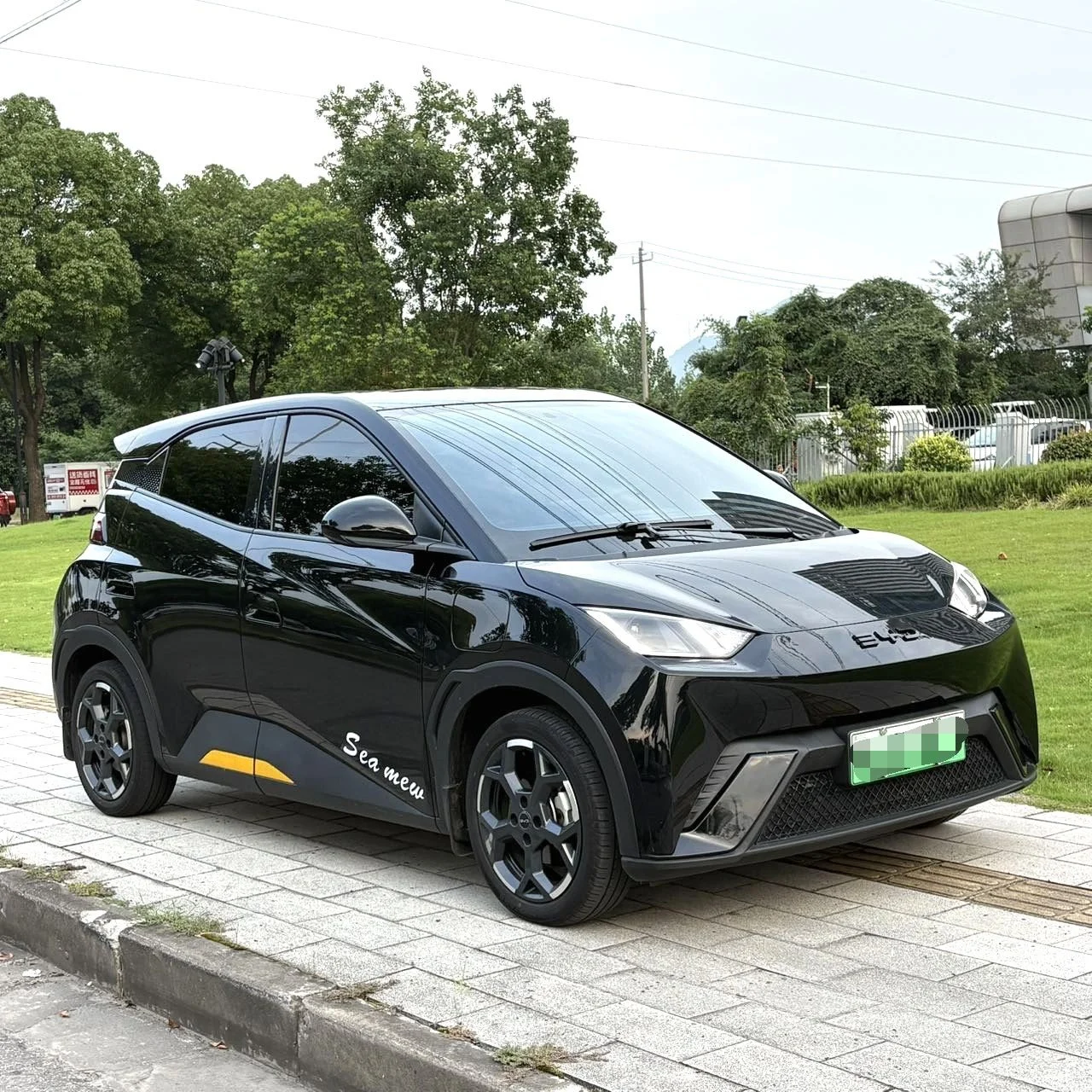
2025 BYD Seagull (Dolphin Mini) 305km Freedom Edition – Compact City EV | Ready to Ship
- 2024
- 35,000 km
- Automatic
- Electric

2021 BYD Song PLUS EV Luxury Edition (505km Range / Blade Battery) – Electric SUV
- 2023
- 50,000 km
- Automatic
- Electric
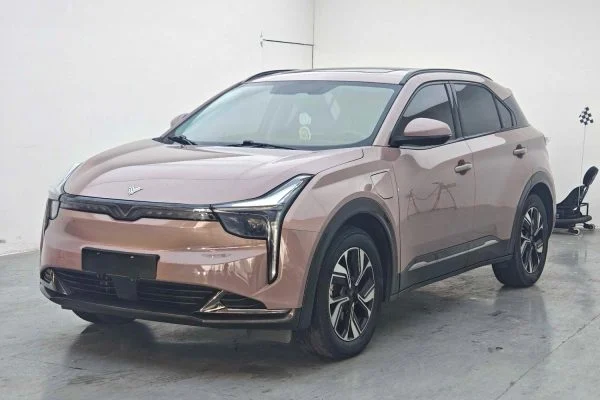
2022 Neta U-Ⅱ 400 LFP Electric SUV for Sale – 163 hp EV, 401 km Range, Export Ready
- 2022
- 24,000 km
- Automatic
- Electric