









Used Electric Car for Sale Under 10k: Is It Worth It?
A used electric car for sale under 10k is usually worth buying in 2026, with two conditions: you can charge at home, and you keep it at least four years. Miss either one and the maths collapses. At that budget you are choosing between a 2024 city EV and a 2021 compact SUV from China.
I have priced both sides of this a lot. The surprise is not that cheap EVs are good value, it is how often the cheapest ones are the worst value.
What can US$10,000 actually buy in 2026?
Two distinct things, and they are not interchangeable.
- A nearly new small EV. 2024-2025 Leapmotor T03 403, BYD Seagull 305, Changan Lumin. Under 20,000 km, LFP battery, one owner, FOB between US$7,600 and US$9,000.
- An older, bigger EV. 2021-2022 BYD Song PLUS EV or Neta U-II, 60-72 kWh, 400-505 km rated range, 150-180 hp.
The first is a low-risk car you will outgrow. The second is a real family car with a battery that has already lived through four summers.
Which one wins on running costs?
Assume 15,000 km a year and electricity at US$0.10 per kWh. A 30 kWh minicar uses about 12 kWh/100 km, so roughly US$180 a year. A 70 kWh SUV uses about 16 kWh/100 km, so about US$240. Either way you are spending less on energy than a petrol car spends on two oil changes.
Where the bill actually lands is tyres and cooling. Small EVs eat 165-section tyres at US$60 each. A Song PLUS EV runs 235-width tyres at US$130 each and needs its battery coolant circuit checked around year four.
Is a US$10,000 used EV better than a US$10,000 petrol car?
On fuel, always. On everything else, it depends.
Insurance is usually higher because repair costs are higher. A minor front hit that costs US$600 on a petrol hatchback can cost US$2,000 on an EV with sensors behind the bumper. If your market penalises EVs on insurance, run a quote before you fall in love with the price on the listing.
Resale is the other split. A 2024 BYD Seagull will still have buyers in 2030. A no-name minicar will not, at any price.
When does a sub-US$10,000 EV go wrong?
- No home charging. If you rely on public DC, the cheap EV loses its cost advantage and much of its convenience. This is the single biggest failure case.
- Cold climate plus a 30 kWh pack. Winter range on a minicar drops to 130-150 km. That is a second car, not a main one.
- Battery at 85% health. Ask for a state-of-health report, not a range estimate. A pack at 85% SoH on a 400 km car is a 340 km car that will keep falling.
- No parts channel. If nobody in your country stocks brake pads for that model, every service becomes a DHL shipment.
Which car would I pick at this budget?
The 2021 BYD Song PLUS EV Luxury Edition if I needed one car to do everything. It is 184 hp, it has the 71.7 kWh Blade pack, and BYD’s export footprint means the parts question has an answer.
If it is a second car for school runs and groceries, the 2024 Leapmotor T03 403 at about US$7,600 leaves US$2,400 in your pocket for a home charger and a set of winter tyres. That is a better-looking trade than spending the full ten thousand on a car.
Key Takeaways
- US$10,000 buys either a 2024 city EV or a 2021 compact SUV from China, not both.
- Annual energy cost at 15,000 km is roughly US$180-240 at US$0.10/kWh.
- Insurance and repair costs, not fuel, decide whether the deal works.
- No home charging is the most common reason this budget fails.
- A battery state-of-health report matters more than the odometer.
Related Vehicles
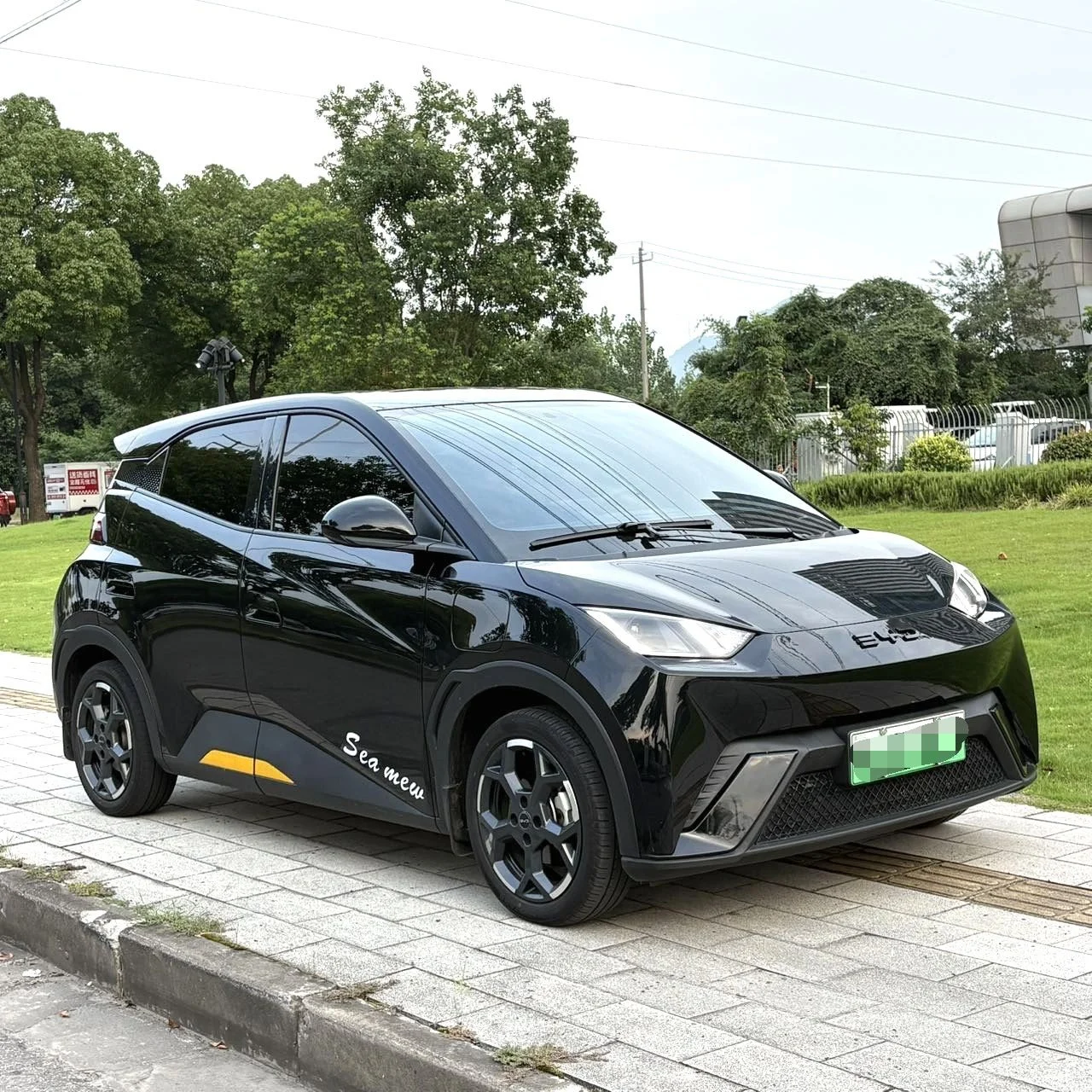
2025 BYD Seagull (Dolphin Mini) 305km Freedom Edition – Compact City EV | Ready to Ship
- 2024
- 35,000 km
- Automatic
- Electric
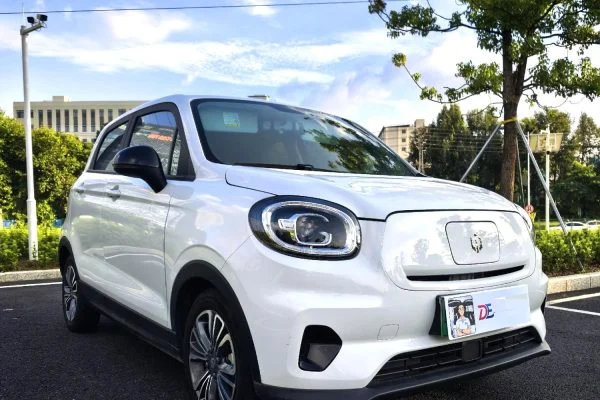
2024 Leapmotor T03 403 Comfort Edition for Sale – 109 hp EV, 403 km Range, Export Ready
- 2024
- 11,000 km
- Automatic
- Electric

2021 BYD Song PLUS EV Luxury Edition (505km Range / Blade Battery) – Electric SUV
- 2023
- 50,000 km
- Automatic
- Electric
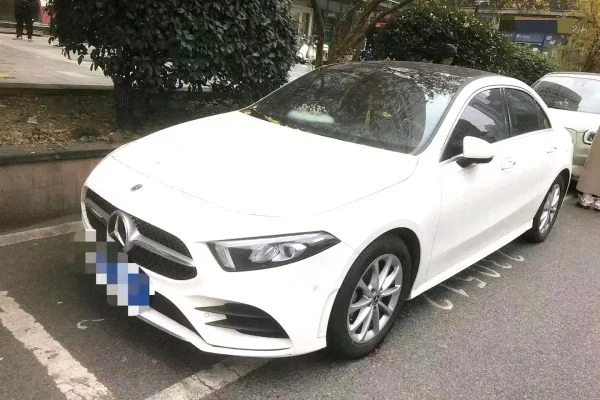
2022 Mercedes-Benz A 200 L Fashion Edition for Sale – 163 hp Sedan, 7-Speed DCT, Export Ready
- 2022
- 40,000 km
- Automatic
- Petrol