









Cheapest Used Electric Cars for Sale: 2026 Price Ranking
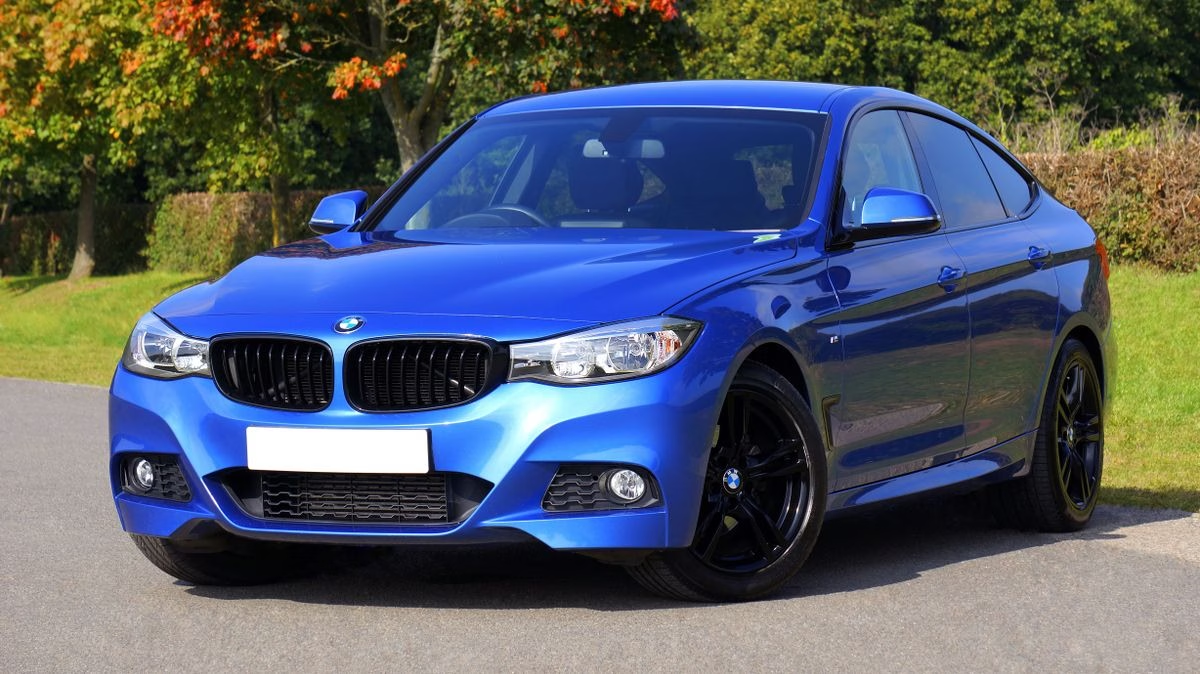
Ranked by real 2026 asking price, the cheapest used electric cars for sale from China run from about US$5,500 for a 2023 Geely Panda Mini up to roughly US$12,000 for a 2021 BYD Song PLUS EV. Three years of depreciation, not condition, sets these numbers.
Used EV pricing looks chaotic until you plot it by build year. Then it behaves like any other depreciating asset with one extra cliff at the battery warranty boundary.
What is the cheapest tier: US$5,500 to US$7,000?
This is minicar territory: Geely Panda Mini 200 km, Chery eQ1 301 km, Changan Lumin 301 km. Two doors or four, 30 kWh packs, 40-50 kW motors, top speeds around 100 km/h.
Buy here if the car lives inside a city and you have a garage socket. Do not buy here if your commute includes a 20 km motorway stretch, because you will be the slowest thing on it.
What does US$7,500 to US$9,000 buy?
This is the sweet spot. The 2024 Leapmotor T03 403 Comfort Edition sits at about US$7,600 with 403 km CLTC, a five-door body and 109 hp. The BYD Seagull Freedom 305 is roughly US$1,000 more for a better parts network and a Blade battery.
Both are 2024-2025 cars with under 20,000 km. That is a strange thing to write about a used car market, but Chinese EV turnover is fast: lease returns and trade-ins arrive with almost no wear and a first owner who paid twice as much.
Where does the price ladder steepen?
Between US$9,000 and US$12,000 you stop buying city cars and start buying compact SUVs from 2021-2022. A 2021 BYD Song PLUS EV Luxury Edition with the 71.7 kWh Blade pack and 505 km NEDC range is the reference car in this band: 184 hp, front-wheel drive, real space for five.
Compare that with a 2017 Roewe eRX5 PHEV Flagship at the other end of the same money, and the used market stops making sense on price alone. The Roewe is a 2017 plug-in hybrid with 60 km of electric range; the Song is a 2021 battery EV with a modern pack. Same budget, nine years apart.
Why do used Chinese EVs lose value so quickly?
Three reasons, and only one of them is about quality.
- New car discounts. Chinese EV makers cut prices constantly. When a new T03 or Seagull gets cheaper in March, the used one gets cheaper in April.
- Battery tech churn. An 800V car makes a 400V car look dated, even when the older car is perfectly good to drive.
- Domestic supply. There are more used EVs in China than domestic buyers are ready to absorb, which is exactly why export buyers get these prices.
Point three is your advantage. It is also the reason to check the battery rather than the paint.
Which tier is the real bargain in 2026?
The US$7,500-9,000 band, without much doubt. Below it, you get a toy. Above it, you pay for range you may not need. In the middle you get a car from 2024, an LFP pack, and enough range that charging becomes a weekly chore instead of a daily one.
One more check that costs nothing: ask for the build date on the door jamb plate. A “2024 model” registered in late 2023 has already spent a year sitting or being driven, and the price should reflect that.
Key Takeaways
- Chinese used EV prices are set by build year and battery tech, not mileage.
- US$5,500-7,000 buys city-only minicars with 30 kWh packs.
- US$7,500-9,000 is the value tier: 2024 cars, LFP batteries, 400 km CLTC.
- US$9,000-12,000 gets compact SUVs from 2021-2022, led by the BYD Song PLUS EV.
- New car price cuts, not condition, drive most of the depreciation.
Related Vehicles
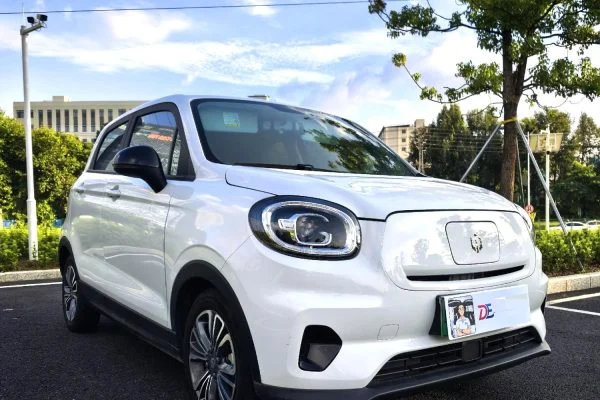
2024 Leapmotor T03 403 Comfort Edition for Sale – 109 hp EV, 403 km Range, Export Ready
- 2024
- 11,000 km
- Automatic
- Electric
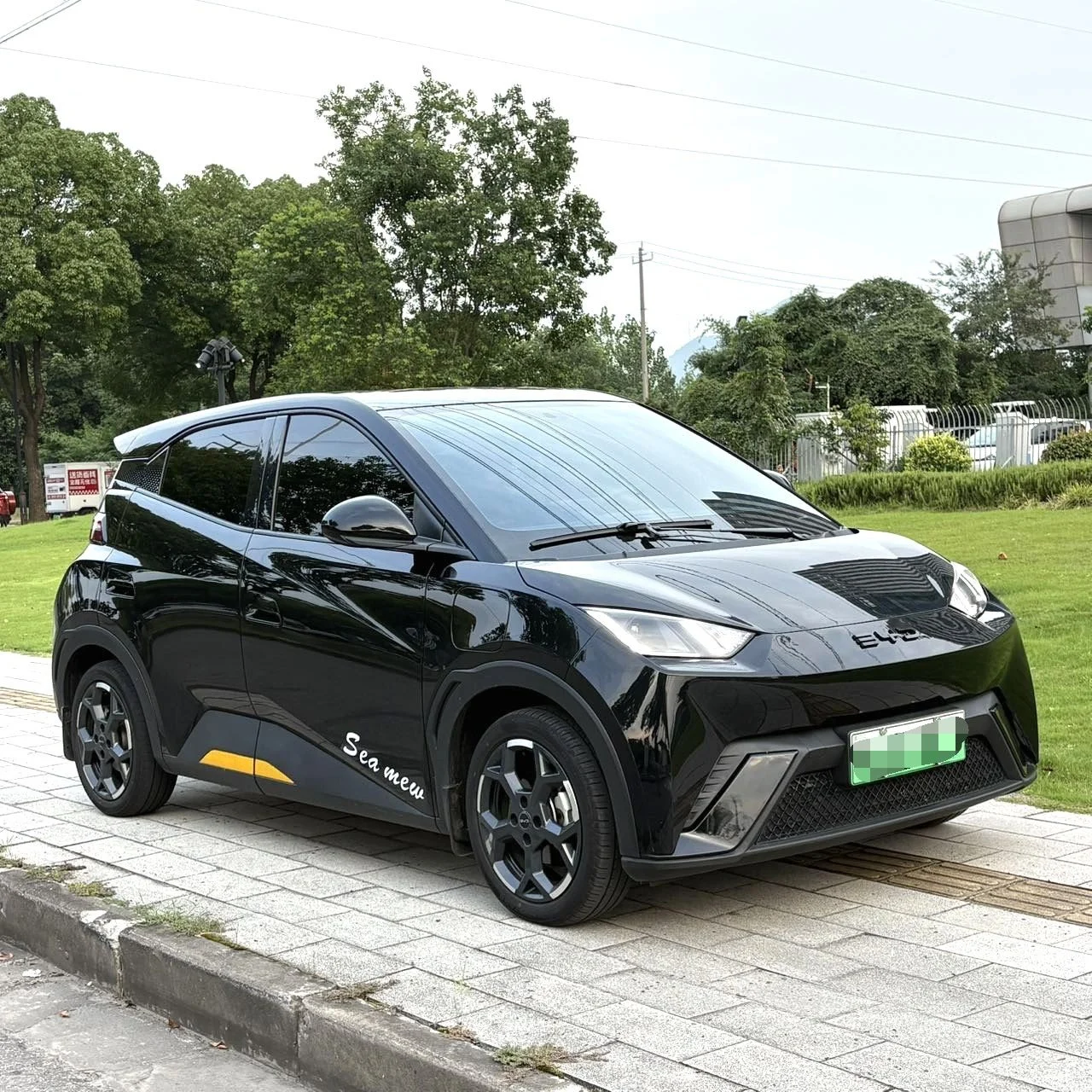
2025 BYD Seagull (Dolphin Mini) 305km Freedom Edition – Compact City EV | Ready to Ship
- 2024
- 35,000 km
- Automatic
- Electric
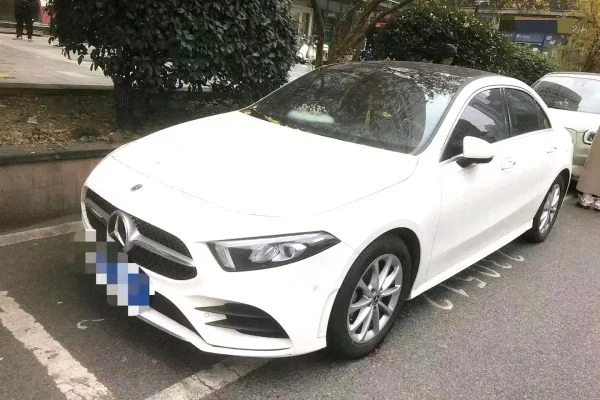
2022 Mercedes-Benz A 200 L Fashion Edition for Sale – 163 hp Sedan, 7-Speed DCT, Export Ready
- 2022
- 40,000 km
- Automatic
- Petrol