









Buying a Used EV by Owner: Paperwork and Battery Checks
A used electric car for sale by owner in China costs 5-9% less than the same car through a dealer, and carries one extra risk: nobody has inspected it for you. Get a BMS state-of-health report and the registration certificate before you pay anything.
Private sellers dominate the sub-$20,000 Chinese EV market. Most are genuine. A meaningful minority are selling a car with an unresolved battery warranty claim, a lien, or a ride-hailing registration they would rather not mention.
What should you verify before paying an owner?
Four documents and one diagnostic report. If the seller resists any of them, end the conversation.
- Vehicle registration certificate (行驶证). Check the registered use category — 非营运 means private, 营运 or 租赁 means commercial.
- Green vehicle licence. Confirms the car is on an EV plate and the battery capacity matches the listing.
- No lien statement. Cars financed through a bank hold a mortgage flag that blocks export until cleared.
- BMS state of health report. A screenshot from the manufacturer’s diagnostic tool showing SOH percentage and pack voltage spread.
Why does registration type matter so much?
Ride-hailing cars are cheaper for a reason. In Chinese regulation, commercial-use EVs must be retired after 8 years or 600,000 km, and that clock starts at first registration.
They also log 3-5x the charging cycles of a private car in the same period. A 2023 car with 90,000 km and 700 fast charges is a normal week for a Shenzhen driver, and brutal for the pack.
How do you verify battery health on a private sale?
Use the manufacturer app or a diagnostic scan. Look at SOH percentage, cell voltage spread and charge-cycle count.
- SOH above 95% on a car under 40,000 km: normal.
- 90-95%: acceptable, price accordingly.
- Below 90%: negotiate hard or walk. A pack replacement on a 50 kWh car runs $6,000-$9,000.
- Cell spread above 80 mV at rest: a weak module is developing.
Get the report in the manufacturer’s app, not a screenshot the seller sent you. Numbers can be edited.
Which private-sale models are safest?
The 2024 BYD Seagull Honor Edition is the least risky private buy in the cheap band — LFP chemistry, huge volume, and dealers everywhere know how to service it.
For more car, the 2023 Aion S Mei 580 is a solid sedan at around $9,800-$11,500, though a large share of them originated as fleet cars.
What are the traps in a private EV deal?
The three that come up most often: a “one owner” car that was actually a fleet vehicle, an accident repair disguised by a battery tray replacement, and a car whose warranty does not transfer because it was bought for export.
Chinese EV warranties are usually first-owner-only for the lifetime battery clause. Second-hand buyers typically get 8 years or 160,000 km on the pack, which is still decent. Confirm the exact terms in writing from the manufacturer, not the seller.
How do you structure payment safely?
Use an escrow or a staged payment: deposit against documents, balance against bill of lading. Never pay 100% before the vehicle control certificate transfers.
The 2026 Deepal S07 550 Ultra and similar near-new cars are the highest-value private listings, which makes a staged payment essential rather than optional.
Key Takeaways
- Private-sale Chinese EVs run 5-9% cheaper than dealer cars but come uninspected.
- Always check the use category on the registration: commercial cars have an 8-year retirement clock.
- Demand an in-app BMS state-of-health report showing SOH and cell voltage spread.
- Reject anything below 90% SOH or with a cell spread above 80 mV.
- Pay in stages against documents, never 100% upfront.
Related Vehicles
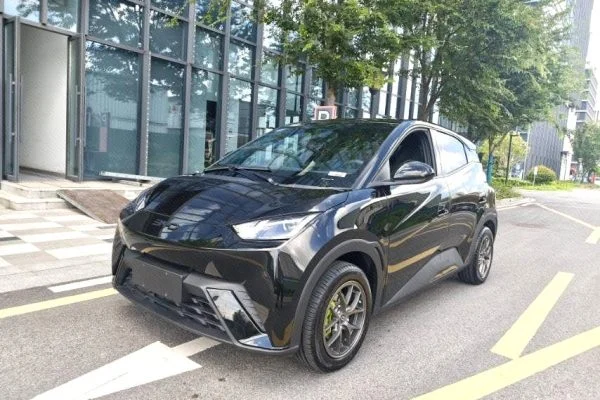
2024 BYD Seagull Honor Edition 305km Freedom for Sale – 75 hp EV, 305 km Range, Export Ready
- 2024
- 18,000 km
- Automatic
- Electric
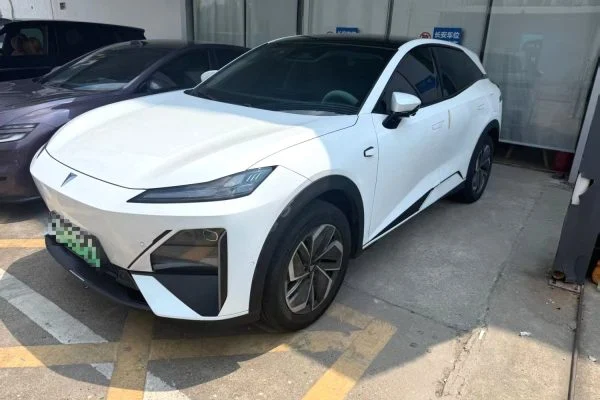
2026 Deepal S07 550 Ultra (272HP RWD / Huawei ADS SE) Electric SUV
- 2025
- 10,000 km
- Automatic
- Electric
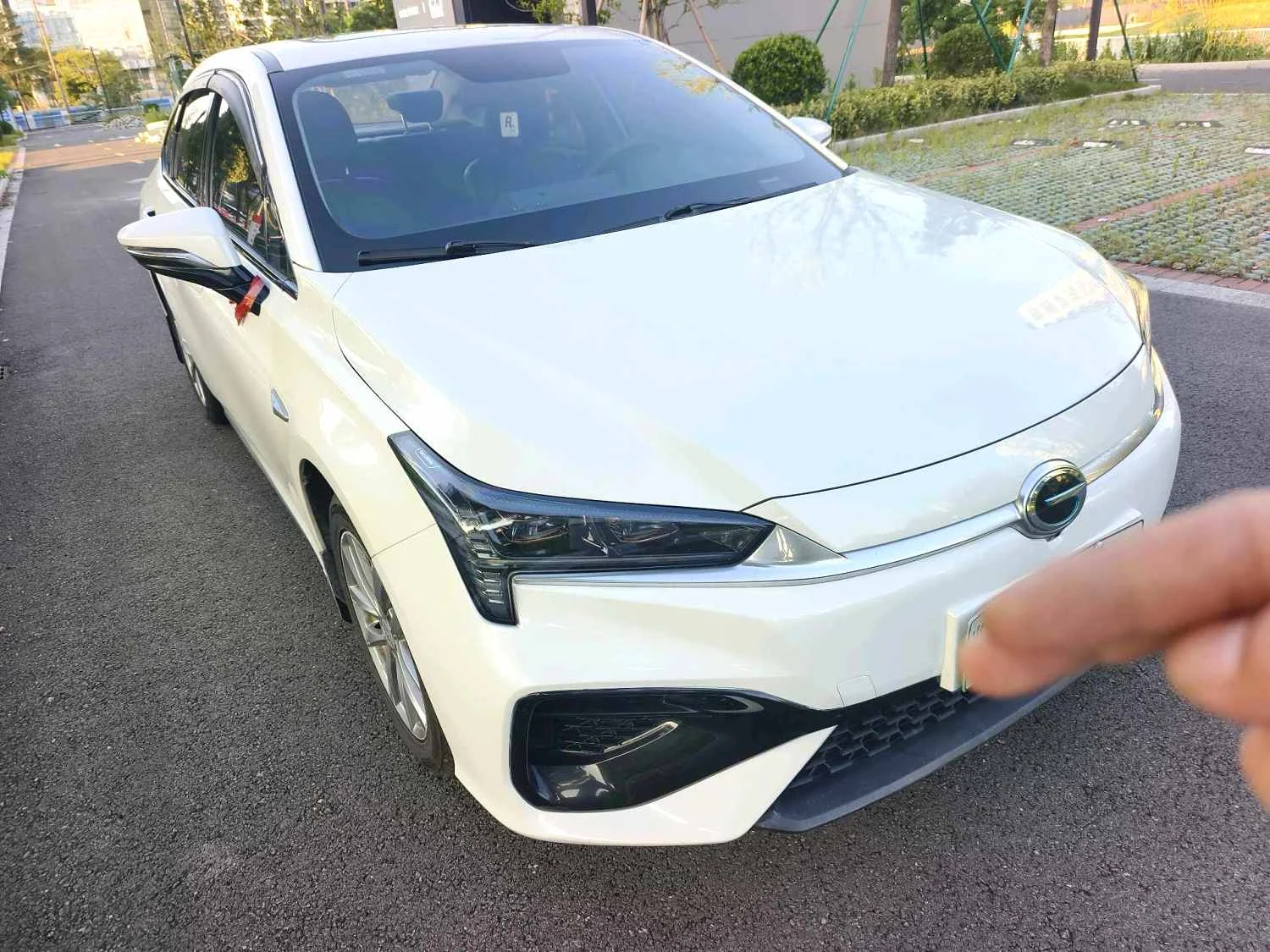
2023 GAC Aion S Mei 580 (100kW FWD / 480km Range / LFP Battery) Electric Sedan
- 2023
- 290,000 km
- Automatic
- Electric