









Used Electric Car for Sale Under 10k: 6 Real Options
A used electric car for sale under 10k is realistic in 2026 if you accept a compact or city-class vehicle. The practical list from China is six models: BYD Seagull, Leapmotor T03, Baojun Yep, Changan Lumin, Wuling Binguo and Baojun E200. Prices start at $3,500 FOB and stop just under $9,000.
What you will not find under 10k is a family SUV with 500 km of range. That threshold sits around $14,000. Knowing where the line is saves a lot of wasted looking.
What can you actually buy for under $10,000?
| Model | Battery | Power | Rated range | Approx FOB |
|---|---|---|---|---|
| Wuling Hongguang MINI EV 2021 | 9.3 kWh | 27 hp | 120 km | $3,500-$4,500 |
| Baojun E200 2020 | 28 kWh | 39 hp | 305 km NEDC | $5,000-$6,000 |
| Changan Lumin 2022 | 27.99 kWh LFP | 48 hp | 301 km CLTC | $6,000-$7,500 |
| Leapmotor T03 403 2024 | 41.3 kWh LFP | 109 hp | 403 km CLTC | $7,500-$9,000 |
| BYD Seagull 305km 2025 | 30.08 kWh Blade | 75 hp | 305 km CLTC | $8,000-$9,500 |
| Baojun Yep 2024 | 28.1 kWh LFP | 68 hp | 303 km CLTC | $8,000-$9,000 |
Which is the best all-rounder under 10k?
The Leapmotor T03 403 Comfort. 109 hp is double what the rest of the segment offers, the 41.3 kWh LFP pack gives a 403 km CLTC claim, and typical export cars show around 11,000 km. It seats four adults badly but it seats them.
The BYD Seagull 305km Freedom is the more durable choice — Blade pack, BYD’s parts network in dozens of countries, 75 hp. It is slower and smaller inside. If resale value matters to you, the Seagull wins.
Is a $9,000 EV worth shipping?
Depends entirely on where it lands. Freight, insurance, duty and homologation on a small EV typically add $2,000-$3,500, so a $9,000 T03 becomes a $11,500-$12,500 car at port. In markets where a five-year-old local petrol hatchback costs $13,000, that is a legitimate deal. In markets with heavy EV import duty, it is not.
Run the number backwards. Local landed price, minus your expected resale after three years, minus charging and insurance. If the result is above the cost of an equivalent petrol car, buy the petrol car.
What do you give up at this price?
- Highway ability: 100-110 km/h top speed, and most of these cars are uncomfortable above 90
- Crash safety: city-car structures, not five-star family cars — the Lumin and MINI EV especially
- Fast charging: many take only 30-40 kW DC, so a 20-80 percent stop takes 40 minutes
- Climate range: air conditioning or heating can remove 20-30 percent of range
Which one has the cheapest running costs?
All of them, roughly. A 30 kWh pack costs $3-$5 to fill at residential rates in most markets. Where they differ is parts. The Baojun E200 and MINI EV share components with millions of other cars in China, so consumables are trivial to source. The Changan Lumin is close behind. Orphan brands are the ones that hurt.
What should you check before paying?
A battery health figure above 85 percent, a pack label photo, and proof the car drives. On a $5,000 car it is tempting to skip inspection — don’t. A single failed cell module on a rare pack can cost more than the vehicle is worth, and shipping it back is not an option anyone chooses twice.
What is the short version?
If you only have two minutes: the cars worth your time are LFP-battery models under four years old with local parts support, and the single number that decides a good deal from a bad one is battery state of health. Anything above 90 percent is a normal used car. Anything below 85 percent needs a discount large enough to pay for a replacement pack, and those are rare. Everything else is trim, mileage and paint.
Key Takeaways
- Under 10k you are shopping city EVs, not family cars.
- The Leapmotor T03 403 is the strongest all-rounder; the BYD Seagull holds value best.
- Budget $2,000-$3,500 on top of FOB for freight, duty and local compliance.
- Insist on a battery state-of-health report above 85 percent before payment.
Related Vehicles
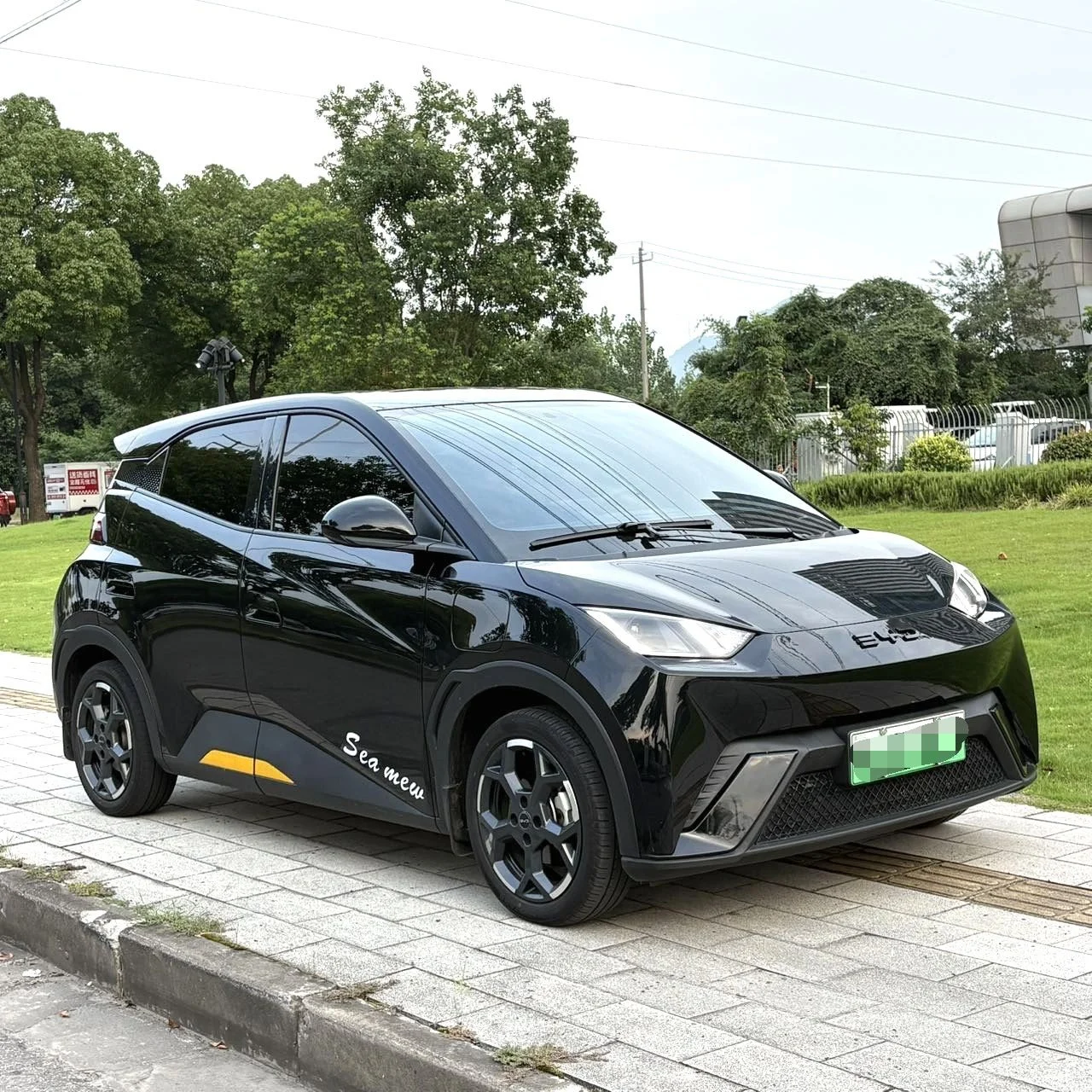
2025 BYD Seagull (Dolphin Mini) 305km Freedom Edition – Compact City EV | Ready to Ship
- 2024
- 35,000 km
- Automatic
- Electric
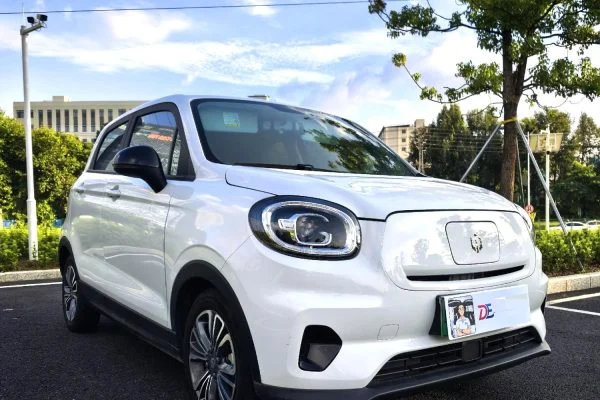
2024 Leapmotor T03 403 Comfort Edition for Sale – 109 hp EV, 403 km Range, Export Ready
- 2024
- 11,000 km
- Automatic
- Electric
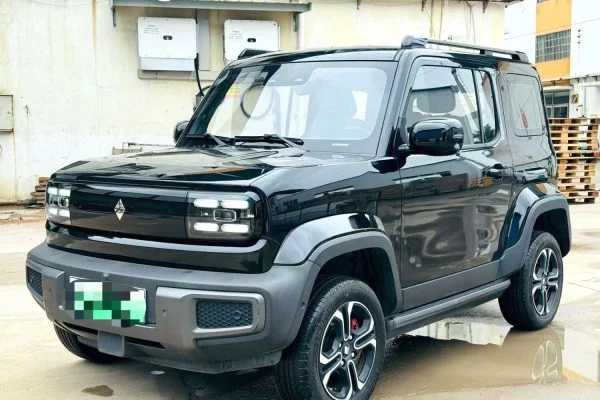
2024 Baojun Yep Zhizun Edition for Sale – 303 km Range, 68 hp EV, Export Ready
- 2024
- 15,000 km
- Automatic
- Electric
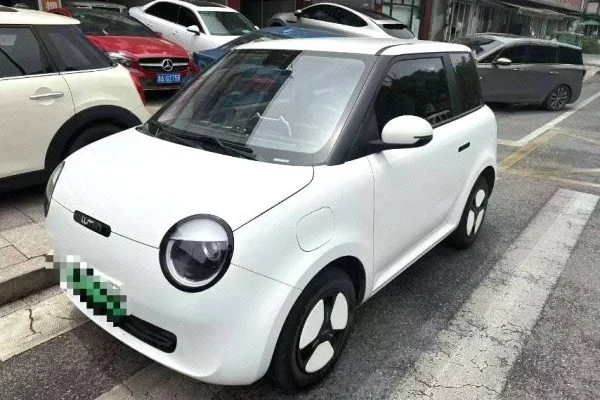
2022 Changan Lumin 301km Mitian Edition (35kW / 48HP) Mini Electric City Car
- 2022
- 18,000 km
- Automatic
- Electric