









Cheap Second Hand Electric Cars for Sale: Under $9,000
Cheap second hand electric cars for sale out of China start at about $3,500 FOB for a 2021 Wuling Hongguang MINI EV and reach $9,000 for a 2023 Wuling Binguo with 6,000 km. In that band you get a real, working, road-legal EV — with genuinely small range and no pretence of being a motorway car.
What does $5,000 buy in a second hand EV?
A four-seat city car with 120-300 km of rated range and a small LFP or NMC pack. The 2021 Hongguang MINI EV Macaron is the floor of the market: 27 hp, 120 km NEDC, around 9.3 kWh of usable battery. It is a shopping trolley with a number plate, and around 1.5 million of them exist in China alone, which is why parts are absurdly cheap.
Step up to the 2020 Baojun E200 305km — 39 hp, 28 kWh, two seats, 25,000 km on the example. Or the 2022 Changan Lumin 301km with 48 hp and a 27.99 kWh LFP pack, which is the best-built of this cheap trio.
Which cheap models still hold up in 2026?
| Model | Power | Rated range | Seats | Approx FOB |
|---|---|---|---|---|
| Wuling Hongguang MINI EV 2021 | 27 hp | 120 km NEDC | 4 | $3,500-$4,500 |
| Baojun E200 2020 | 39 hp | 305 km NEDC | 2 | $5,000-$6,000 |
| Changan Lumin 301km 2022 | 48 hp | 301 km CLTC | 4 | $6,000-$7,500 |
| Baojun Yep 2024 | 68 hp | 303 km CLTC | 4 | $8,000-$9,000 |
Of these, the 2024 Baojun Yep is the only one that feels like a modern vehicle. 68 hp, rear-wheel drive, boxy SUV styling that travels well in photos, and 15,000 km on typical listings.
Is a $5,000 EV actually usable?
For city deliveries, campus fleets, taxi-shuttle duty and short commutes — yes, comfortably. For anything involving a highway, no. These cars top out at 100-110 km/h on paper and feel strained at 80. Their crash structures are minimalist. Their air conditioning can eat 15-20 percent of range in a hot climate.
Here is the calculation that matters: if the car costs $5,000 and shipping plus duty adds $2,000-$3,500, you are into local used-petrol-hatchback money. The EV only wins if charging is cheap where you live and daily distance is under 60 km.
What breaks first on a cheap used EV?
- 12V battery: the single most common failure. Budget $60-$120 once a year on old cars.
- Charger cables: cheap originals fray; replacements cost more than you expect.
- Suspension bushings: Chinese city roads are hard on them; check for clunks over speed bumps.
- Infotainment and 12V drain bugs: common on 2020-2021 cars, usually fixed by a software flash.
Which cheap EV should you avoid?
Anything with an NMC pack older than 2019 and no documented history. Replacement cells for orphan brands are almost unobtainable, and a dead pack turns a $4,000 car into scrap. If the seller cannot produce a photo of the pack label, walk away.
What is the short version?
If you only have two minutes: the cars worth your time are LFP-battery models under four years old with local parts support, and the single number that decides a good deal from a bad one is battery state of health. Anything above 90 percent is a normal used car. Anything below 85 percent needs a discount large enough to pay for a replacement pack, and those are rare. Everything else is trim, mileage and paint.
Key Takeaways
- Cheap second hand EVs from China start at $3,500 FOB and reach $9,000 for a near-new Binguo or Yep.
- Real usable range on these cars is 60-75 percent of the rated figure.
- The Changan Lumin and Baojun Yep are the best-built options under $9,000.
- Only buy the very cheapest cars if shipping cost is low relative to the vehicle price.
Related Vehicles
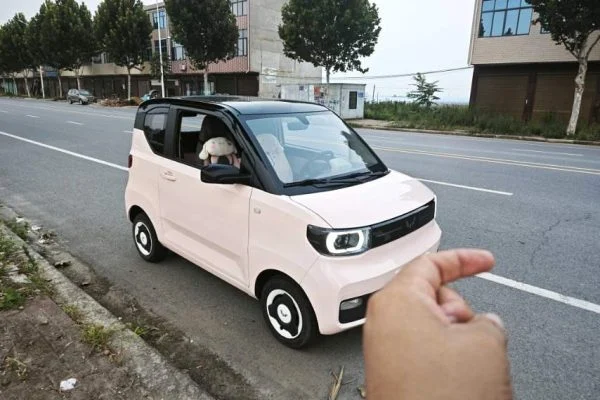
2021 Wuling Hongguang MINI EV Macaron Sandwich 120km (27 HP / RWD) – Compact City EV
- 2022
- 23,000 km
- Automatic
- Electric
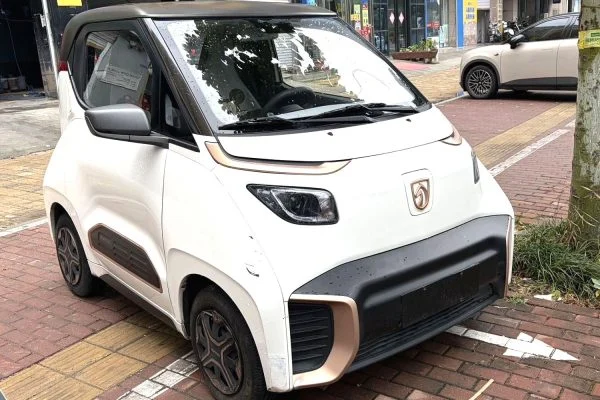
2020 Baojun E200 305km Zhixing Edition for Sale – 39 hp EV, 305 km Range, Export Ready
- 2021
- 25,000 km
- Automatic
- Electric
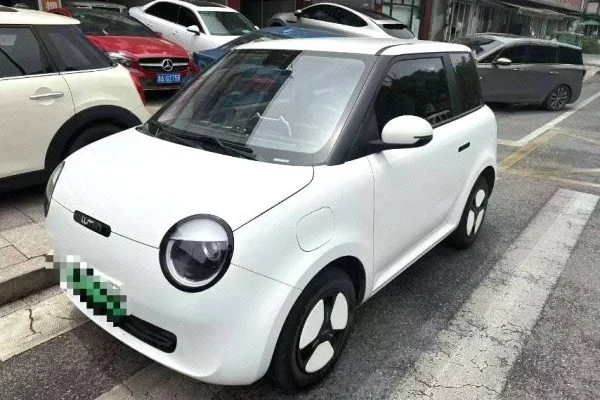
2022 Changan Lumin 301km Mitian Edition (35kW / 48HP) Mini Electric City Car
- 2022
- 18,000 km
- Automatic
- Electric
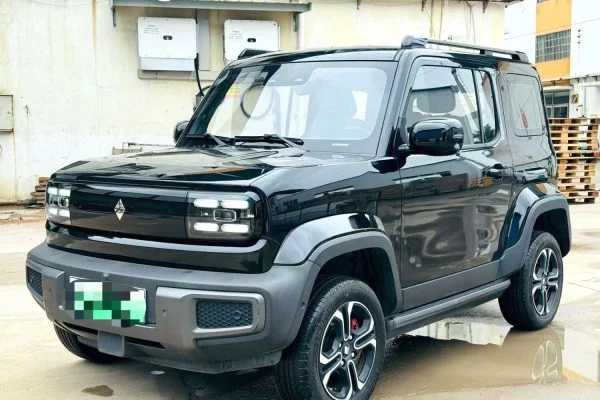
2024 Baojun Yep Zhizun Edition for Sale – 303 km Range, 68 hp EV, Export Ready
- 2024
- 15,000 km
- Automatic
- Electric