









Reliable Used Cars Under $10,000: 2026 China Shortlist

The shortlist of reliable used cars under 10000 from China comes down to three names in 2026: the Toyota Corolla Hybrid (~$9,800), BYD Seagull (~$8,800) and Geely Emgrand GSe (~$8,200). All three share one trait – proven mechanicals with parts you can find outside China.
Reliability on a $10,000 car is not about the badge. It is about whether the specific failure points are cheap and findable. A car that never breaks is fantasy; a car that breaks in predictable, $200 ways is what you want.
What does reliability mean for a used EV?
For an EV under $10,000, reliability is battery health plus electronics. There is no gearbox to fail, no timing chain, no injectors. What goes wrong is the BMS, the onboard charger, and the 12V auxiliary battery – in that order.
That makes the buying process simpler than for an ICE car. One battery report tells you most of what you need. On a petrol or hybrid car, you would still be inspecting ten systems.
Which under-$10,000 used cars actually last?
- Toyota Corolla Hybrid 1.8L: 4.0-4.2 L/100 km, e-CVT, and the most boringly durable drivetrain in the list. $9,500-$11,000 used. Not an EV, which is precisely why some buyers pick it.
- BYD Seagull 305 km: Blade LFP pack with documented 3,000+ cycle life. $8,800-$10,000. Low moving-part count, cheap to run.
- Geely Emgrand GSe 500: 2019 sedan, 163 hp, ~400 km CLTC, around $8,200. Simple NCM pack, but Geely’s parts network helps.
- BYD Qin PLUS DM-i 55 km: a $10,500 plug-in hybrid just over budget. Best of both if you can charge nightly.
If you have never owned an EV and cannot charge at home, the Corolla Hybrid is the correct answer and you should not feel bad about it. It will outlive most EVs in this price band.
What breaks on cheap Chinese EVs?
Mostly small things, at 60,000-100,000 km: door actuators, window regulators, the onboard charger (6.6 kW units are the usual failure), and 12V batteries that fail early because cheap EVs do not protect them from deep discharge.
Onboard chargers are the expensive one. A 6.6 kW unit costs $400-$900 to replace in China, more elsewhere, and a failed charger means the car only charges on DC. Test AC charging at three different stations before buying.
How do you spot a car that will not last?
- Charge cycles vs mileage mismatch. High cycles on low mileage means ride-hailing or repeated fast charging.
- BMS history resets. A fresh SOH reading on an old car can mean the counter was wiped.
- Water ingress. Check boot floor and door seals on imports from coastal cities – monsoon damage is common.
- Ride-hailing use. Second-hand Chinese EVs from 2020-2022 frequently worked as taxis; look for seat bolsters and pedal wear that contradict the odometer.
That last one is the biggest single risk in the under-$10,000 bracket. A three-year-old EV that spent 200,000 km as a ride-hailing car and was reset to 30,000 km looks perfect in photos and will start throwing faults within a year.
Should you buy EV or hybrid under $10,000?
EV if you charge at home and drive under 80 km a day. Hybrid if you do not. There is no clever answer beyond that – the running cost gap for a 60 km daily commute is roughly $900 a year in favour of the EV, and that disappears the moment you rely on public fast charging.
The BYD Seagull is the safest EV bet in this bracket, mainly because Blade LFP packs are the most documented and best-understood cells in the market. The BYD Qin PLUS DM-i covers buyers who want to hedge.
Key Takeaways
- Reliable used cars under 10000 from China: Toyota Corolla Hybrid, BYD Seagull, Geely Emgrand GSe.
- EV reliability is about the battery, onboard charger and 12V battery – not the motor.
- Onboard chargers are the most expensive common failure, at $400-$900 replaced.
- Ex-ride-hailing cars with reset odometers are the biggest risk under $10,000.
- An EV saves about $900 a year on a 60 km commute, but only if you charge at home.
Related Vehicles
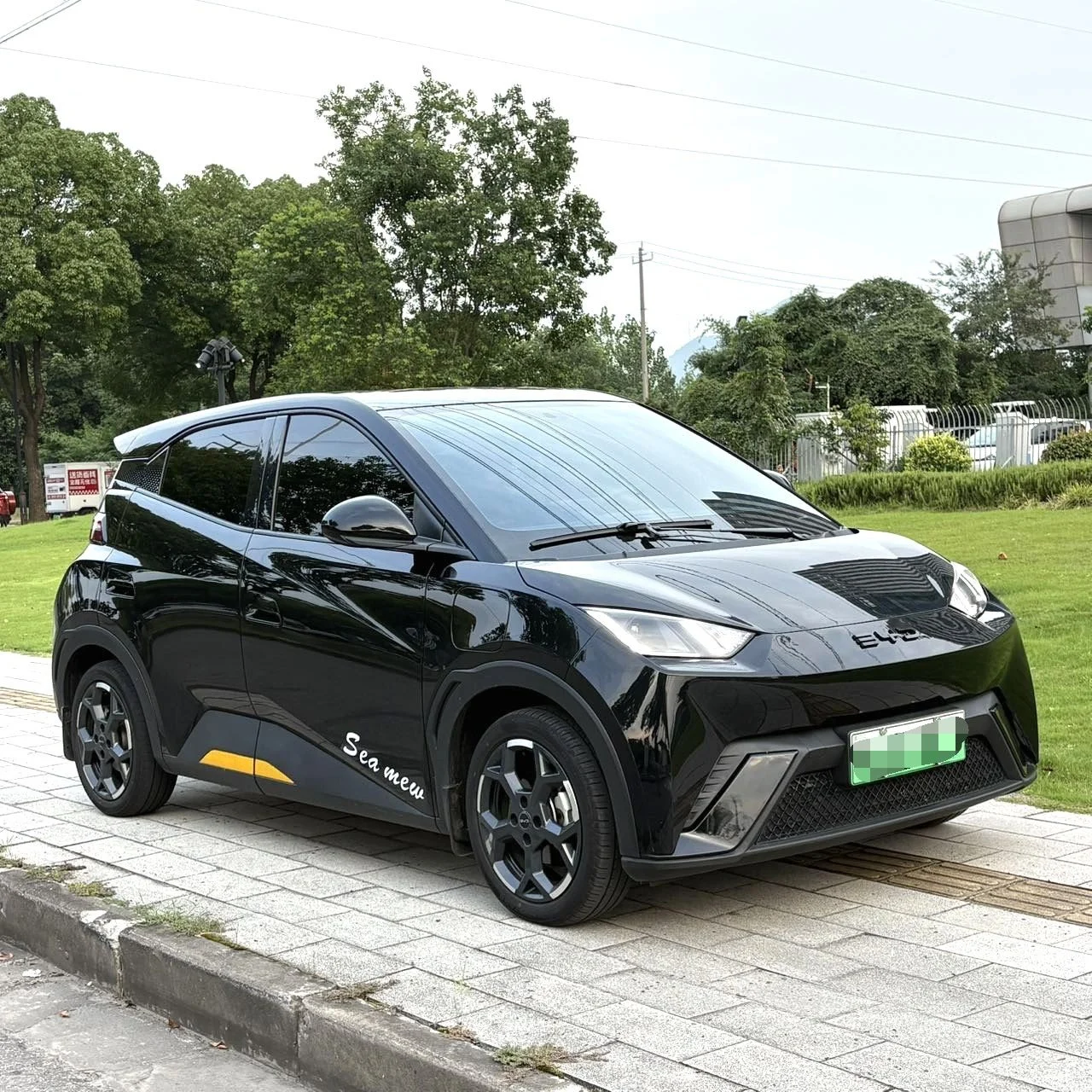
2025 BYD Seagull (Dolphin Mini) 305km Freedom Edition – Compact City EV | Ready to Ship
- 2024
- 35,000 km
- Automatic
- Electric
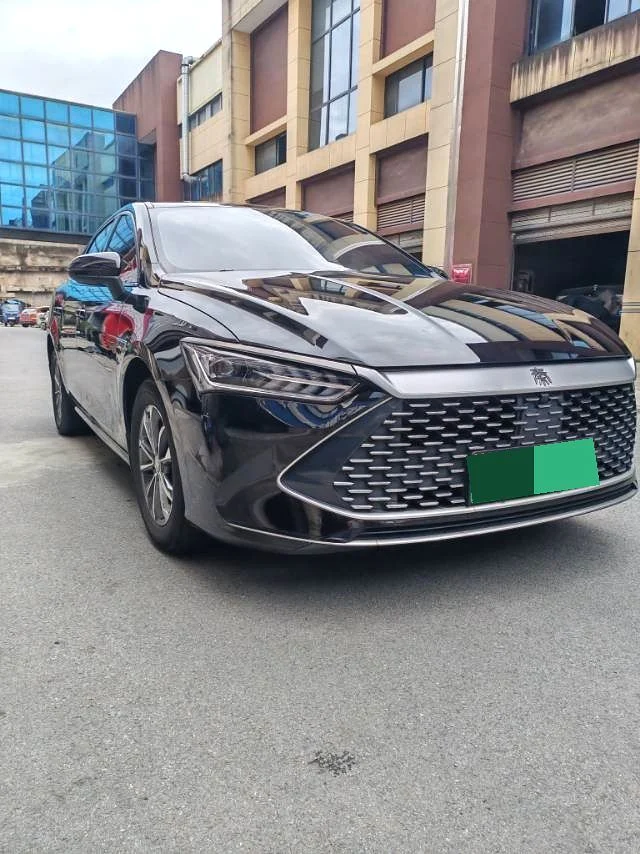
2021 BYD Qin PLUS DM-i 55KM Premium (1.5L PHEV / Blade Battery) Hybrid Sedan
- 2023
- 78,000 km
- Automatic
- Plug-in Hybrid

2021 BYD Song PLUS EV Luxury Edition (505km Range / Blade Battery) – Electric SUV
- 2023
- 50,000 km
- Automatic
- Electric