









Cheap Second Hand Electric Cars for Sale: 7 Models Under $16k

The cheapest second hand electric cars worth buying from China in 2026 start around $6,500 FOB for a 120 km city car and reach $16,000 for a 400 km compact SUV. Below $10,000 you are choosing between range and space, not between good and bad.
Cheap used EVs from China fall into two groups. Microcars built for dense city traffic, and compact cars built for export markets. Buying the wrong group for your roads is the most common and most expensive mistake.
What are the cheapest second hand electric cars in 2026?
Ranked by price, these are the models that actually appear in export inventory — not press-release concepts.
- Wuling Hongguang MINI EV 120 km, 120 km: 9.3 kWh LFP, 27 hp, roughly $6,500-$7,500. Urban only.
- BYD e2 High-Range 405 km, 405 km NEDC: 70 kW, 95 hp hatchback, around $8,000-$9,500.
- Wuling Bingo 203 km 203 km: 17.3 kWh LFP, DC fast charging, around $8,500.
- Wuling Binguo 333 km, 333 km: 31.9 kWh LFP, 68 hp, roughly $9,800-$11,000.
- Baojun Yep 303 km, 303 km: 28.1 kWh LFP, boxy compact SUV styling, around $11,000.
- Neta U-Ⅱ 400, 401 km: 55.8 kWh LFP, 163 hp, roughly $13,500.
- BYD Atto 3 510 km, 510 km: 60.48 kWh Blade, 204 hp, around $15,500-$16,000.
Which one is worth buying?
The Neta U-Ⅱ for most people. It is the cheapest car on this list with 400 km of range and 163 hp, and it seats five without apology. The Baojun Yep is the more interesting car; the Atto 3 is the safer one.
Skip the Hongguang MINI EV unless you have a genuine short-distance use case. Its 9.3 kWh pack gives 120 km of CLTC range, which in hot weather with air conditioning is closer to 85-90 km. Charging at 3.3 kW takes most of a night.
Is a cheap used EV worth it compared with a cheap petrol car?
In most cases yes, but the maths is not as one-sided as EV sellers claim. A $9,000 used EV replaces roughly $1,400 a year in fuel with $250-$400 in electricity. Over five years that is a real saving.
Against that, insurance for imported EVs is often 15-25% higher than for equivalent petrol cars, and a replacement battery pack on a microcar costs $2,000-$3,000 — a quarter of the car’s value.
Where cheap used EVs win clearly: short daily distances, home charging, warm climate. Where petrol still wins: long highway routes and very cold winters.
What should you avoid in this price band?
Any listing without a battery report. Any 2018-2019 car with more than 90,000 km and no service history. Any car whose fast-charge port looks unused — that often means the onboard charger has never been properly tested.
Also avoid buying on range alone. A 401 km Neta with a worn suspension and bald tyres costs more in the first year than a 303 km Yep in good order.
How much do you add on top of the car price?
Plan for $900-$1,800 for export documentation, inland transport and inspection, plus $1,000-$2,500 for sea freight depending on port and route. On a $9,000 car, expect to land it at $11,500-$13,000.
That ratio matters. On cheap cars, logistics can add 25-35% to the price. On a $16,000 car it adds 15-20%. Shipping cost does not scale down with the car.
How do you compare these cars fairly?
Compare cost per kilometre of range, not cost per car. The Wuling Binguo 333 km at $10,000 for 333 km works out at $30 per km of CLTC range; the BYD Atto 3 510 km at $15,800 for 510 km works out at $31. Very close — which tells you the premium car is not overpriced.
Then compare usable payload and seating. A five-seat car that carries adults comfortably is worth more than a two-row microcar with a bigger number on the boot lid.
The third metric is resale in your own market. BYD and Wuling badge recognition varies widely; a car that resells in three weeks in Lagos may sit for months elsewhere.
What goes wrong with cheap used EVs in the first year?
Three things, repeatedly. Charger incompatibility — some Chinese-market onboard chargers are fussy about Type 2 supply voltage. Tyre and suspension wear from heavy kerb use. And 12V battery failures that strand a car with a full traction pack.
All three are cheap to fix if you know they are coming. Budget $600 for the first year of ownership on any car under $10,000 and you will not be surprised.
Key Takeaways
- Cheap second hand electric cars from China run $6,500-$16,000 FOB in 2026.
- The Neta U-Ⅱ 400 is the best value point at around $13,500.
- Microcars under 150 km range need a specific short-distance use case.
- Logistics add 15-35% — proportionally worse on the cheapest cars.
- Never buy without a battery state-of-health report.
Related Vehicles
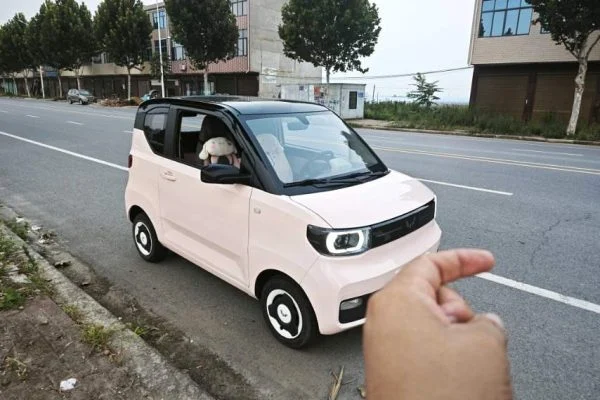
2021 Wuling Hongguang MINI EV Macaron Sandwich 120km (27 HP / RWD) – Compact City EV
- 2022
- 23,000 km
- Automatic
- Electric

2019 BYD e2 High-Range Luxury Edition (70kW / 95HP / 405km NEDC) EV Hatchback
- 2020
- 96,000 km
- Automatic
- Electric
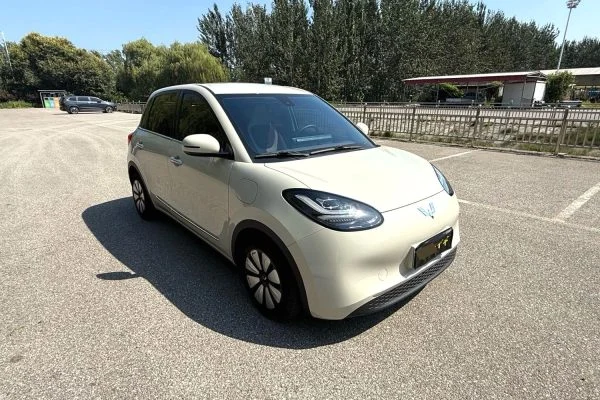
2023 Wuling Binguo 333km Express Edition for Sale – 68 hp EV, 333 km Range, Export Ready
- 2024
- 6,000 km
- Automatic
- Electric
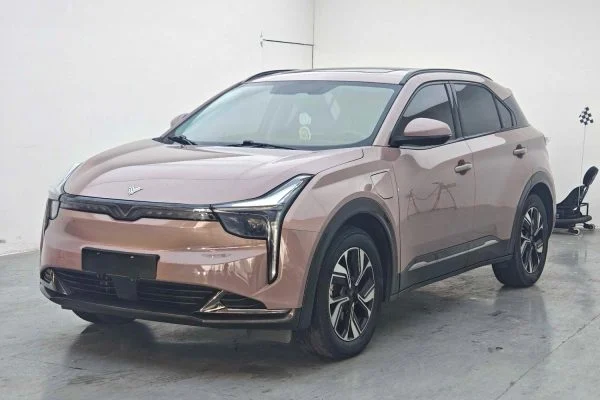
2022 Neta U-Ⅱ 400 LFP Electric SUV for Sale – 163 hp EV, 401 km Range, Export Ready
- 2022
- 24,000 km
- Automatic
- Electric