









How to Check Used EV Battery Health: 2026 Buyer’s Checklist

A used EV battery health check comes down to one number: a healthy pack should read 94-97% state of health after 50,000 km, and 90-94% after 100,000 km. On an LFP pack you should also see a cell voltage spread under 40 mV at rest. Those two numbers separate a car worth buying from a $10,000 battery repair, and you can get both in about 20 minutes.
What is state of health and why does it matter more than mileage?
State of health (SoH) is the usable capacity left in the pack compared to new. A 60 kWh pack at 92% SoH holds 55.2 kWh. Mileage tells you how much the car has moved; SoH tells you how much it can still move. On a used EV, SoH is the single most valuable number in the listing.
Mileage still matters — it predicts suspension, bushings and interior wear — but a 90,000 km car at 96% SoH is a better buy than a 35,000 km car at 88%. The second car was probably fast-charged hard or stored in extreme heat.
How do you read SoH without special tools?
Four routes, in order of reliability.
- The manufacturer app. BYD, Tesla, Volkswagen and Leapmotor all expose battery health somewhere in the connected app or the service menu. Ask the seller for a timestamped screenshot.
- A cheap OBD-II dongle and an app. A $25 Bluetooth adapter plus a pack-reading app gives SoH and per-block voltages on most Chinese EVs. Free to try, and hard for a seller to fake.
- A dealer scan. The authoritative option. Costs $40-80 and produces a PDF you can use in a dispute.
- Real-range test. Charge to 100%, drive a measured route, compare consumed kWh. Coarse, but it catches cars where the reported SoH has been reset.
What SoH numbers should worry you?
- 95-100% — normal on a car under 30,000 km. Buy with confidence if the rest checks out.
- 90-94% — expected at 80,000-120,000 km. Fine for a used purchase at the right price.
- 85-90% — a warning sign. You lose 15-30 km of real range and you are closer to a pack issue. Value it in.
- Under 85% — usually a failed or replaced module, or heavy DC abuse. Walk away unless the price reflects a $3,000-6,000 repair.
A real example from our own listings: a 2024 Leapmotor T03 at 39,100 km tested at 98.16% retention, and a 2024 Volkswagen ID.4 CROZZ at 8,800 km tested at 97%. Both LFP or CATL ternary packs, both in the expected band. When a seller shows you 88% at 30,000 km, ask what happened.
How do LFP and NMC packs age differently?
LFP (lithium iron phosphate) loses capacity slowly and then plateaus; it is common to see 3-5% loss in the first 50,000 km and only another 2-4% over the next 100,000 km. It also tolerates being charged to 100% daily. NMC and ternary packs degrade more linearly and dislike full charges and heat.
That is why Chinese EVs mostly run LFP: BYD Blade, Leapmotor, Seagull, T03, Wuling. For a used buyer it is a genuine advantage — you are buying a pack with a long, boring life ahead. The downside is cold-weather performance and slightly lower energy density, which shows up as heavier cars and slower charging in winter.
Which cars in stock show strong battery data?
The 2024 Leapmotor T03 403 Comfort Edition at 11,000 km is the cleanest example — 41.3 kWh LFP and an 8-year/150,000 km warranty that transfers. The 2023 BYD Atto 3 Champion Edition uses BYD’s Blade pack, one of the most cycle-tolerant designs on the market. For a higher-mileage budget buy, the 2022 Tesla Model 3 RWD at 67,000 km is worth a scan — Tesla’s health screen is unusually honest. And the 2021 BYD Song PLUS EV shows what a well-kept five-year-old Blade pack looks like.
What physical signs point to battery problems?
- Undertray dents or scrapes near the pack — impact damage is an insurance write-off risk even when the car drives.
- Delamination or swelling visible around the pack edges on a lift.
- Coolant weep at the pack thermal circuit; a leak means the pack ran hot at some point.
- Charging rate fade — if DC charging slips to 40 kW at 60%, thermal management is degraded.
- 12V battery replaced twice in three years — a sign of repeated low-voltage faults.
One blunt point: no used EV seller in any market should refuse a battery scan. Refusal is the answer. If the seller cannot produce an SoH report and will not allow a third-party scan, stop negotiating — even if the price is excellent.
Key Takeaways
- A used EV at 50,000 km should show 94-97% battery state of health; at 100,000 km, 90-94%.
- Cell voltage spread should stay under 40 mV at rest — more than 60 mV points to ageing modules.
- LFP packs lose roughly 3-5% in the first 50,000 km and then flatten out; NMC degrades more linearly.
- Use the manufacturer app, a $25 OBD dongle and a dealer scan in that order; a refusal to allow any of them ends the deal.
- Under 85% SoH needs a $3,000-6,000 discount or a different car.
Related Vehicles
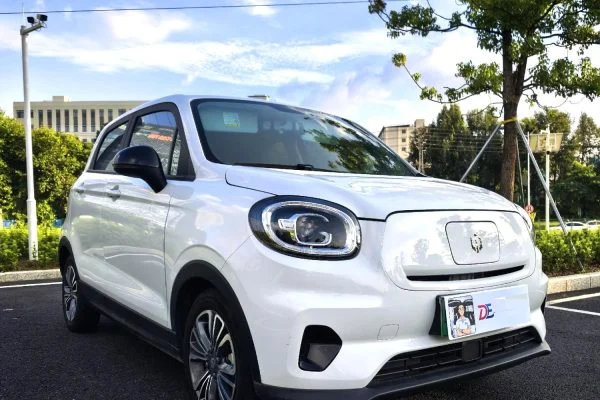
2024 Leapmotor T03 403 Comfort Edition for Sale – 109 hp EV, 403 km Range, Export Ready
- 2024
- 11,000 km
- Automatic
- Electric
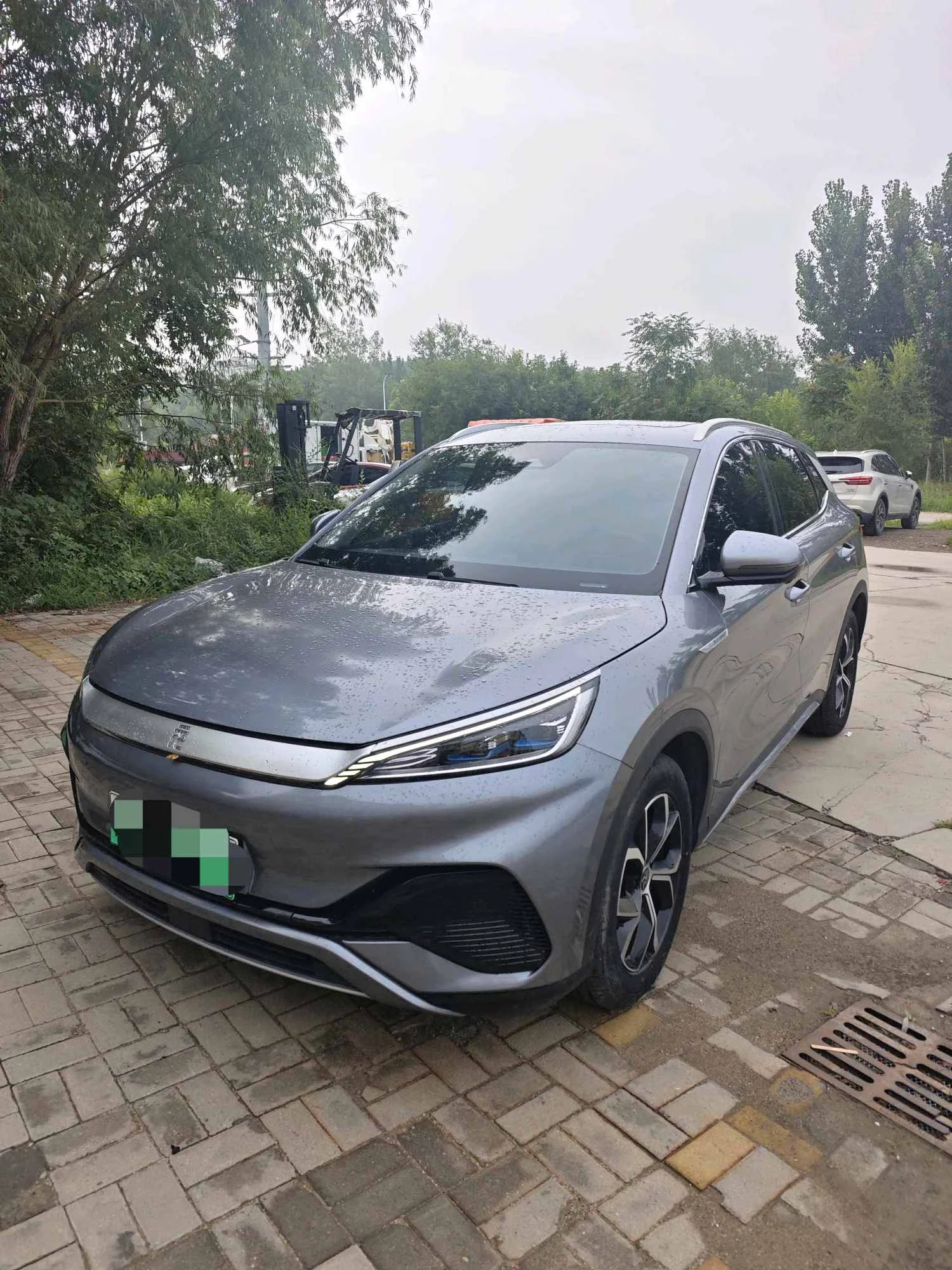
2023 BYD Yuan PLUS (Atto 3) Champion Edition 430KM Beyond (204HP / Blade Battery) EV SUV
- 2023
- 21,000 km
- Automatic
- Electric
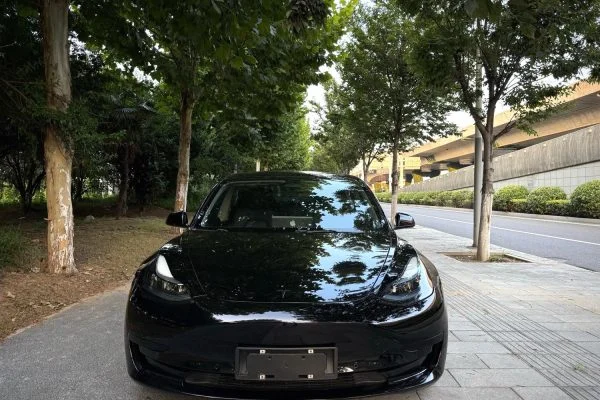
2022 Tesla Model 3 RWD for Sale – 67,000 km, Electric Sedan, Export Ready
- 2023
- 67,000 km
- Automatic
- Electric

2021 BYD Song PLUS EV Luxury Edition (505km Range / Blade Battery) – Electric SUV
- 2023
- 50,000 km
- Automatic
- Electric