









Used Electric Cars for Sale by Owner: What the $12K-18K Listings Mean
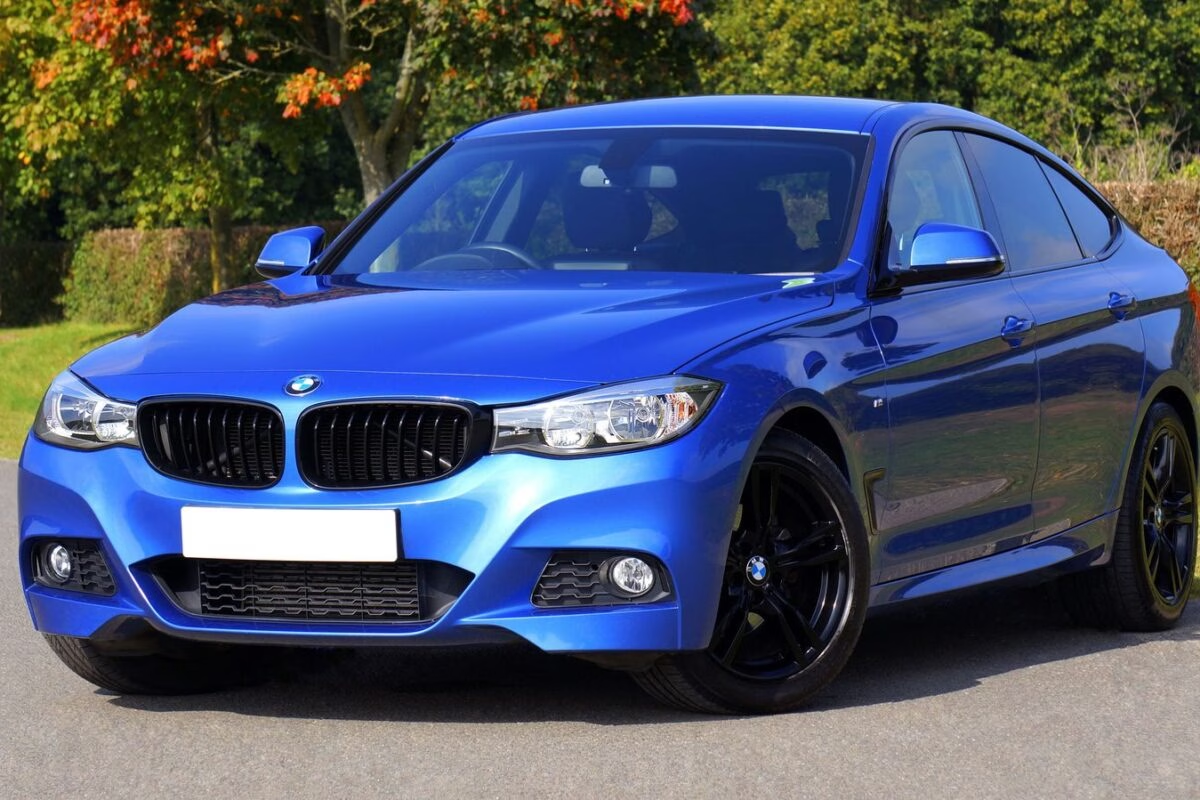
A used electric car for sale by owner usually goes for 8-15% below dealer price, which on a $15,000 car is $1,200-$2,200. The trade-off is that private sales come with no inspection, no warranty handover support and no recourse if the battery turns out to be at 84% state of health. Worth it if you know what to check. A trap if you do not.
Why are private-seller EVs cheaper — and is the discount real?
Three reasons. Private sellers have no showroom overhead, they often need cash for a replacement car, and they cannot offer finance. In the Chinese used market this shows up as a $1,000-2,500 gap on cars in the $12,000-18,000 band.
The discount is real but it is not free. Buying from an exporter or a dealer usually includes a multi-point inspection, an export certificate, and documented battery health. On a private deal you are paying $1,500 less to do that work yourself or hire an independent inspector for $80-150. Do the latter. It is the cheapest insurance in the whole transaction.
What does $12,000-$18,000 buy from a private seller in 2026?
- 2022-2023 BYD Atto 3 510 km, 40,000-60,000 km — $13,000-$15,500. The most common private listing at this price and the safest choice for resale.
- 2023-2024 Leapmotor C11 500-580 km — $14,500-$17,500. Mid-size SUV, 272 hp, huge boot. Less common, better value.
- 2023 BYD Song PLUS EV Champion 520 km — $15,000-$18,000. Family SUV with strong parts support in most markets.
- 2024-2025 Volkswagen ID.3 450 km — $15,000-$17,000. Compact hatchback with a well-tuned chassis and 52.8 kWh CATL cells.
How do you verify battery health without a dealer?
Ask for a screenshot from the car’s BMS app or a dealer scan showing state of health and cell voltage spread. On a 2022-2023 LFP car at 50,000 km, expect 94-97% SoH and under 40 mV spread. Under 90% or over 60 mV and you have a car with a tired module.
Second check: recent DC charging curve. If the car starts slowing at 55% instead of 75-80%, thermal management is degraded. Third: check the 12V battery date, which tells you how the car was stored. A car that sat for six months will have a fresh 12V fitted and possibly a low-voltage fault history.
What is in stock here that a private seller would list at similar money?
For comparison, the 2024 Volkswagen ID.3 Pure Smart Edition, the 2024 Leapmotor C11 580 Premium and the 2023 BYD Song PLUS EV Champion Edition all sit in the same private-market bracket. Buying through an exporter costs slightly more but includes the inspection, the export paperwork and the documented battery report — which is precisely what a private sale lacks.
What are the risks specific to owner sales?
- Outstanding finance. A car with a lien cannot be exported cleanly. Demand a settled-finance certificate.
- Accident history not disclosed. Structural repair on an EV pack area is a write-off risk. Check the insurance claim record.
- Warranty not transferable. Some Chinese manufacturers limit the battery warranty to the first owner unless the transfer is registered.
- Charger and cables missing. A replacement onboard charger costs $1,200-1,800.
- Fake mileage. Rare on cars with connected apps, but common on older Chinese-market units.
To be blunt: a private-owner EV deal is a bet on your own due diligence. If you cannot inspect the car in person or hire someone who can, pay the dealer premium. It is 8-15% for a reason.
Key Takeaways
- Private-owner used EVs typically sell 8-15% below dealer price — about $1,500-2,200 on a $15,000 car.
- Expect $12,000-$18,000 to buy a 2022-2025 compact or mid-size EV with 40,000-60,000 km.
- Verify battery state of health (94-97% at 50,000 km on LFP) and cell voltage spread under 40 mV.
- Insist on a settled-finance certificate and warranty transferability.
- No inspection means no deal — hire an independent inspector for $80-150 instead of guessing.
Related Vehicles
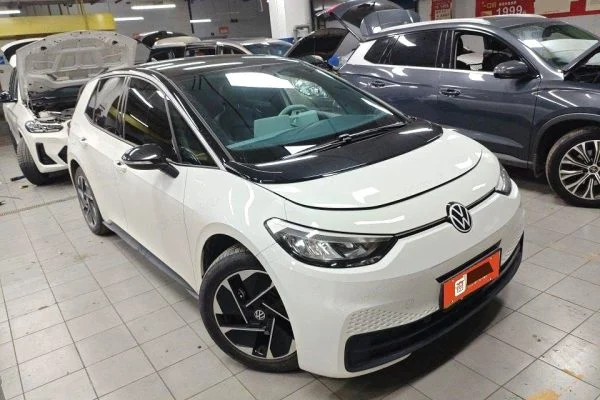
2024 Volkswagen ID.3 Pure Smart Edition for Sale – 170 hp EV, 450 km Range, Export Ready
- 2024
- 38,000 km
- Automatic
- Electric
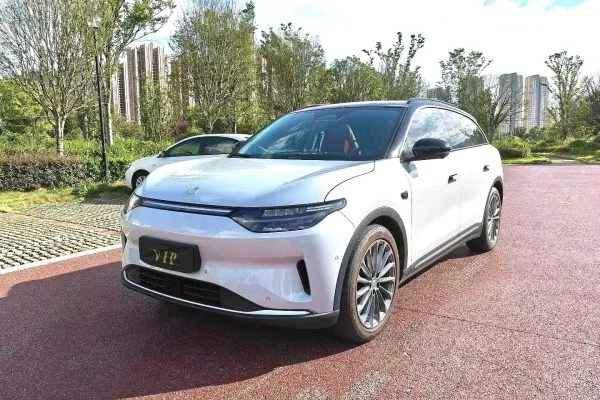
2024 Leapmotor C11 580 Premium Edition for Sale – 272 hp EV, 580 km Range, Export Ready
- 2024
- 21,000 km
- Automatic
- Electric
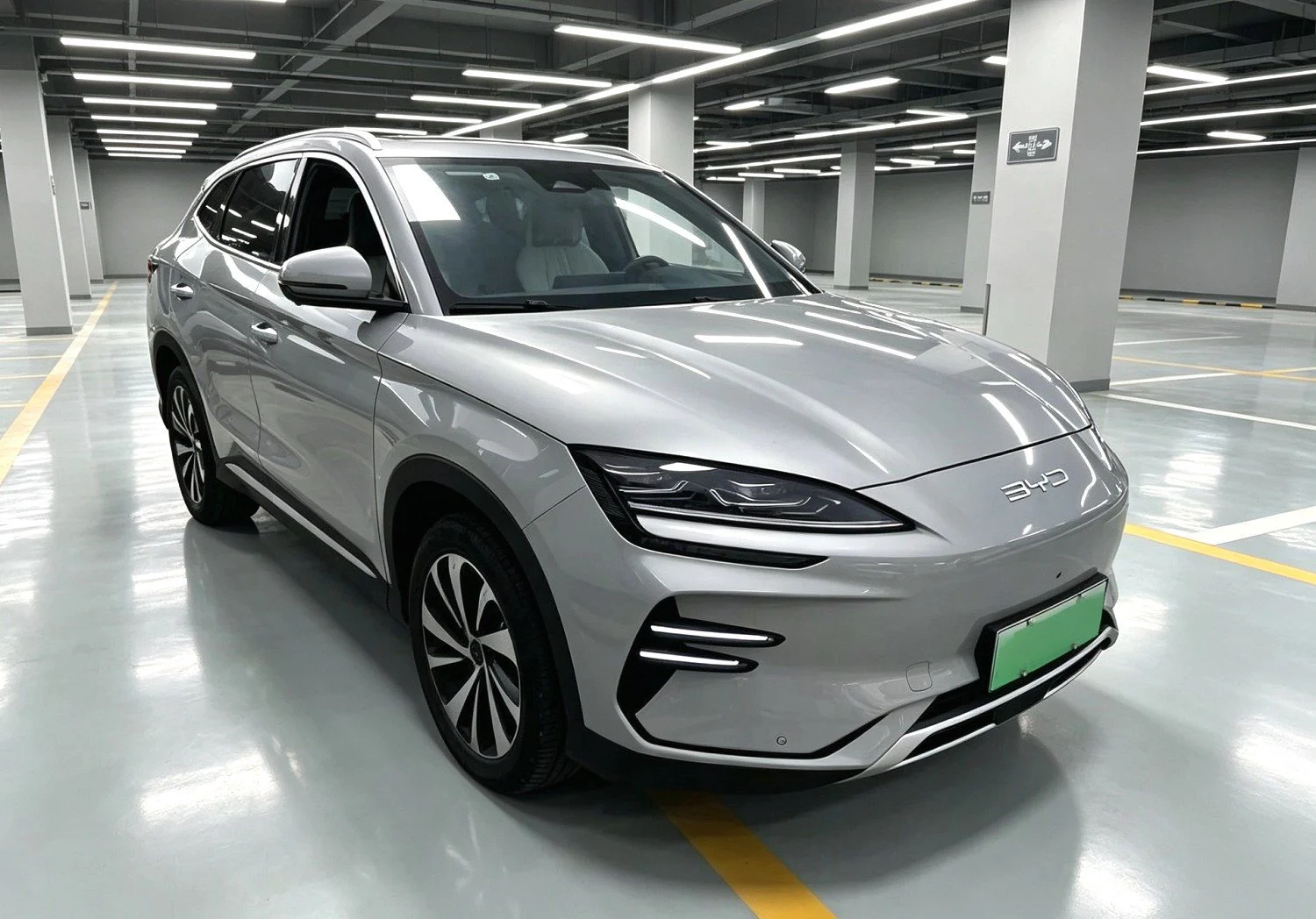
2023 BYD Song PLUS EV Champion Edition 520km Flagship (204HP FWD / Seal U) Electric SUV
- 2024
- 4,000 km
- Automatic
- Electric