









Is a Used EV Worth It in 2026? The 5-Year Maths

Yes, in most cases a second-hand electric car is worth buying in 2026 — if you can charge at home and plan to keep it five years. A three-year-old Chinese EV at $15,000 saves roughly $5,500 in fuel against an equivalent petrol car and loses about $6,000 in depreciation, which is close to a wash before battery risk.
That is the uncomfortable answer. Used EVs are not the automatic bargain people expect. They are a good deal specifically when the maths works for your mileage and charging setup, and a bad deal when it does not.
How much does a used EV actually save on fuel?
Take 18,000 km a year. A petrol compact SUV at 7.5 L/100 km and $1.35/L costs about $1,820 a year. An EV at 16 kWh/100 km and $0.10/kWh home charging costs $288. That is $1,530 a year, or $7,650 over five years.
If you charge at public fast chargers at $0.35/kWh, the figure becomes $1,008 a year — the saving shrinks to $4,000 over five years. Home charging is not a convenience; it is the entire financial case.
How fast do used EVs depreciate?
Chinese EVs lose 45-55% of new price in the first three years. A car that listed at $28,000 new sells for $13,000-$15,000 at three years. Over the next five years it will lose maybe another 55% of that — around $7,000.
Compare that with a used petrol Toyota Corolla’s flatter curve. The EV’s advantage is not depreciation; it is that you are buying after the steepest part of the drop.
What is the battery risk in real numbers?
LFP packs from BYD, Leapmotor and CATL typically retain 92-97% capacity at 50,000 km. Failure rates on these packs are low — well under 2% within eight years in the documented Chinese fleet data. But a replacement, when needed, costs $4,000-$6,000 fitted, which is 30-40% of the car’s value.
Manage it two ways: buy a car still inside its 8-year/120,000-160,000 km battery warranty, and get a BMS readout before paying. A 2023 or newer Chinese EV will still be under manufacturer battery cover until 2031.
What else changes the maths?
- Servicing: EVs need no oil, filters or spark plugs. $150-$250 a year versus $450-$700 for petrol.
- Tyres: heavier cars wear them faster. Budget 20% more than a petrol equivalent.
- Insurance: often 10-20% higher than a comparable petrol car, and some markets load Chinese brands.
- Charging hardware: $300-$1,200 for a home wallbox, once.
Which used EV makes the maths work best?
Efficient compacts, not big SUVs. A 2023 BYD Dolphin at 420 km and about 12 kWh/100 km saves more per km than a 600 km SUV at 18 kWh/100 km. The Dolphin 420 km and the Qin L EV 545 km sedan are the two strongest efficiency plays in this inventory.
If you want a bigger car anyway, the Atto 3 Champion 430 km and Leapmotor C11 580 still clear the breakeven bar, just with less margin.
When is a used EV not worth it?
Three situations. No home or work charging. Annual mileage under 8,000 km, where fuel savings never repay the price premium. And any car whose battery health you cannot verify — the risk premium there outweighs every other line in the spreadsheet.
There is also a fourth: markets with no local service support for the brand. A car you cannot diagnose is a car you cannot sell.
Key takeaways
- A $15,000 used Chinese EV saves about $7,650 in fuel over five years at 18,000 km a year with home charging.
- Without home charging, the saving drops to roughly $4,000 — often not enough to justify the switch.
- Buy inside the 8-year battery warranty and always request a BMS state-of-health readout.
- Efficient compacts beat large SUVs on total cost of ownership by 20-30%.
Related Vehicles
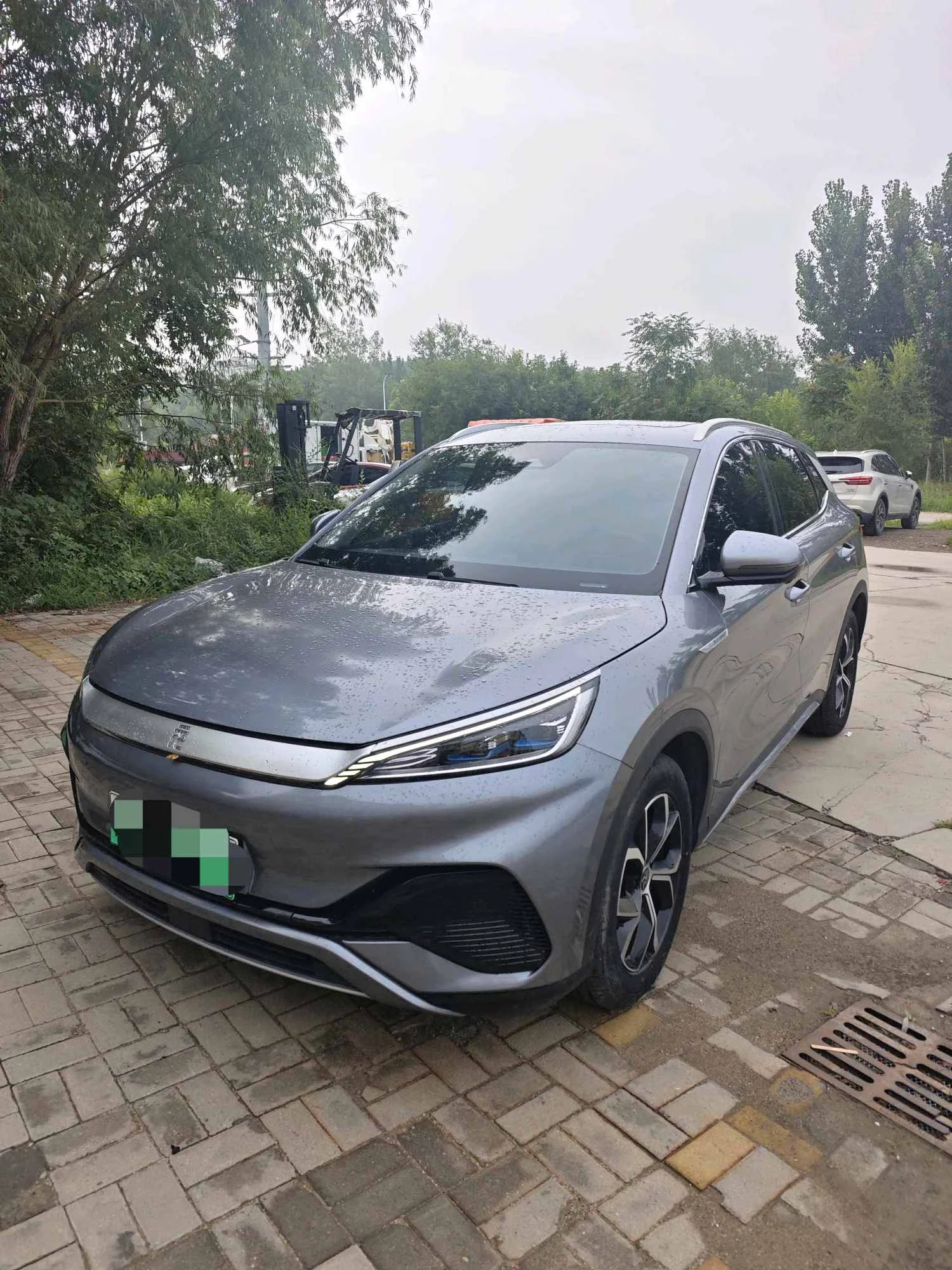
2023 BYD Yuan PLUS (Atto 3) Champion Edition 430KM Beyond (204HP / Blade Battery) EV SUV
- 2023
- 21,000 km
- Automatic
- Electric

2023 BYD Dolphin 420km Free Edition (95HP FWD / 2,000km) Compact EV Hatchback
- 2024
- 2,000 km
- Automatic
- Electric
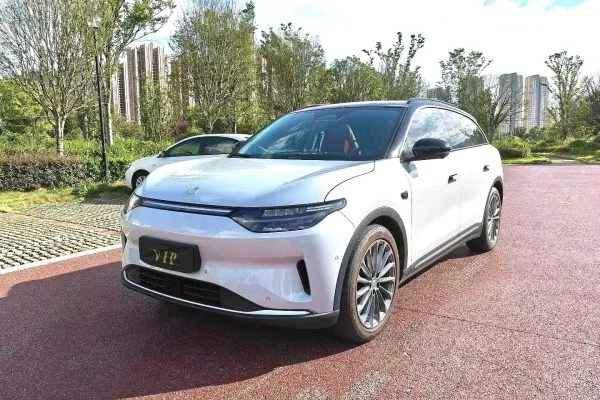
2024 Leapmotor C11 580 Premium Edition for Sale – 272 hp EV, 580 km Range, Export Ready
- 2024
- 21,000 km
- Automatic
- Electric
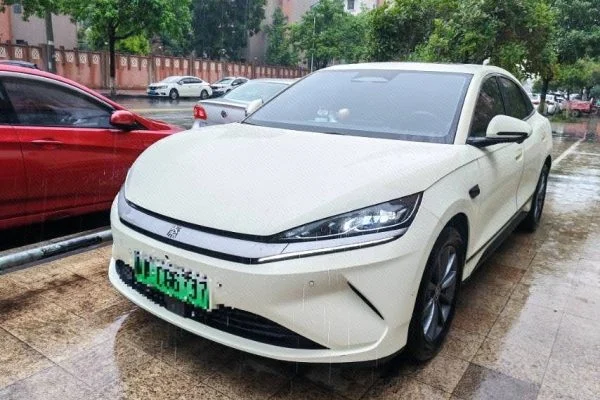
2025 BYD Qin L EV 545KM Beyond Edition for Sale – 218 hp EV, 545 km Range, Export Ready
- 2025
- 28,000 km
- Automatic
- Electric