









Used Tesla or Chinese EV in 2026: What $20,000 Buys

At $20,000 in 2026, a used Tesla Model 3 (2019-2021, 80,000-130,000 km) competes with a 2024-2025 Chinese EV with under 20,000 km and full warranty. The Chinese car wins on hardware age and warranty; the Tesla wins on software, charging network and resale.
That is the honest summary. Which is right for you depends on one question: is your country’s charging network good enough that the Tesla Supercharger advantage is worth paying for?
What does $20,000 buy in a used Tesla?
A 2019-2021 Model 3 Standard Range Plus, typically 80,000-130,000 km, with 8-12% battery degradation. You get roughly 320-380 km of real range, Autopilot basics, and a car whose software is still receiving updates. You also get out-of-warranty repair exposure: a drive unit replacement runs $4,000-$7,000.
The Tesla’s genuine advantages are real. Supercharger access is the single best fast-charging experience in most markets, and Model 3 parts are available almost everywhere.
What does $20,000 buy from China?
Something newer and better specified. A 2025 Changan Deepal S05 510Ultra with 13,000 km, 238 hp and 3C fast charging. A 2025 Leapmotor B10 510 with LiDAR and 510 km range. Or, stretching slightly, a 2025 ONVO L60 with 900V architecture and 4,100 km.
All three have battery warranties running into 2031-2033 and full factory coverage. That is the trade: you take a brand unknown to your neighbours in exchange for not inheriting someone else’s 120,000 km.
Which holds value better?
The Tesla, clearly. Model 3 resale is well-established and liquid; you can sell one in a week. A used Chinese EV outside China is a thinner market — buyers exist, but the pool is smaller and pricing is less predictable.
If you plan to sell in three years, that matters more than the battery warranty. If you plan to keep the car six to eight years until the pack is done, resale becomes irrelevant and the Chinese car’s newer hardware dominates.
What about build and driving quality?
2024-2025 Chinese EVs have caught up on ride comfort and passed Tesla on interior materials. The Deepal S05 rides softer than a 2020 Model 3; the Leapmotor B10’s cabin is quieter at 100 km/h. Tesla still leads on efficiency — about 13-14 kWh/100 km against 15-16 for a comparable Chinese SUV — and on software polish.
So which should you buy?
Buy the Tesla if fast charging coverage in your region depends on Tesla, if you will sell within four years, or if you want a car your local garage already understands. Buy Chinese if you have home charging, plan to keep the car long-term, and want a factory warranty covering the battery through most of your ownership.
Shortlists: 2025 Deepal S05 510Ultra · 2025 Leapmotor B10 510 · 2025 ONVO L60.
What is the biggest risk with either choice?
For the Tesla, an out-of-warranty battery or drive unit failure on a car past 100,000 km. For the Chinese car, service support in your country — check that a local importer or workshop can read the diagnostic software before you commit. Neither risk is theoretical; both are manageable with the right inspection.
Key takeaways
- $20,000 buys a 2019-2021 Model 3 at 80,000-130,000 km, or a 2025 Chinese EV under 20,000 km.
- Tesla wins on charging network, efficiency and resale speed; Chinese cars win on warranty and hardware age.
- Expect 13-14 kWh/100 km from a Model 3 versus 15-16 from a comparable Chinese SUV.
- Keeping the car beyond six years tilts the decision strongly toward the newer Chinese model.
Related Vehicles
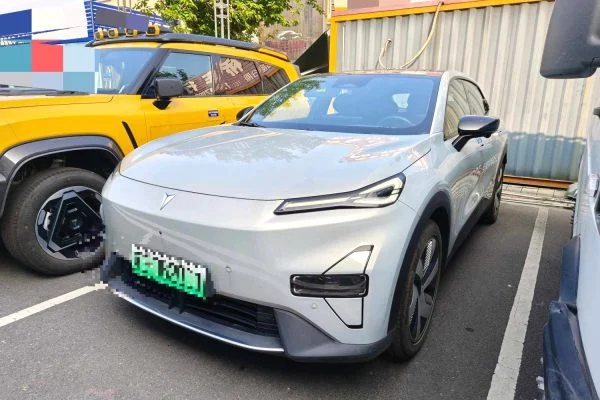
2025 Changan Deepal S05 510Ultra EV RWD (13,000 km / 238 HP / 3C Fast Charging) – Electric SUV
- 2025
- 13,000 km
- Automatic
- Electric
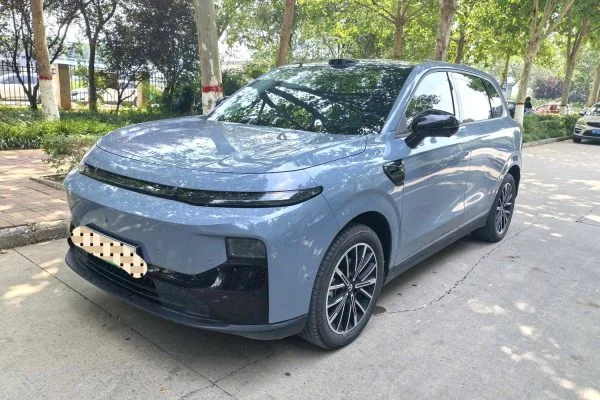
2025 Leapmotor B10 510 LiDAR Smart Driving Edition for Sale – 218 hp EV, 510 km Range, Export Ready
- 2025
- 17,000 km
- Automatic
- Electric
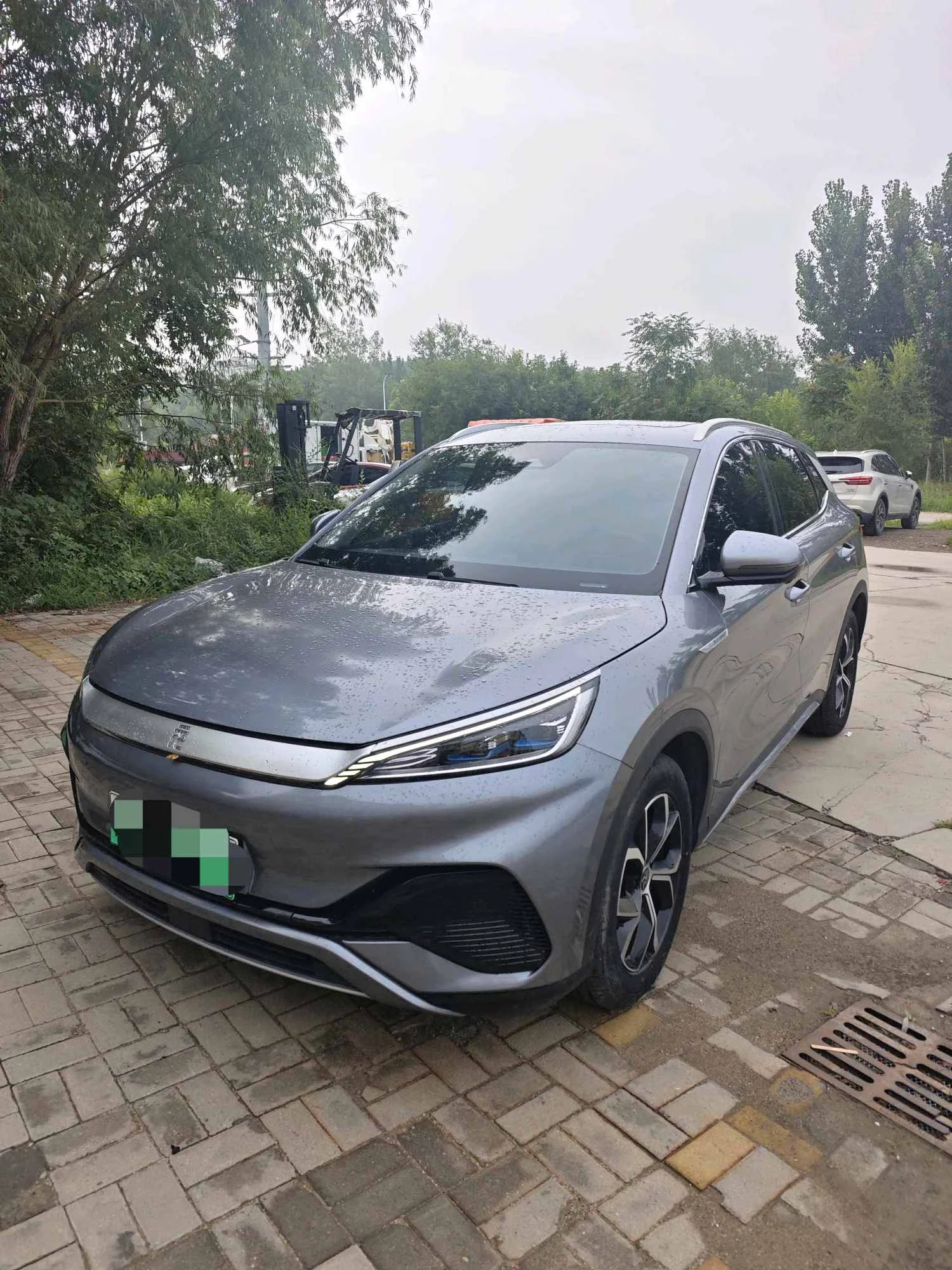
2023 BYD Yuan PLUS (Atto 3) Champion Edition 430KM Beyond (204HP / Blade Battery) EV SUV
- 2023
- 21,000 km
- Automatic
- Electric