









Used Tesla vs Chinese EVs: What $20,000 Buys in 2026
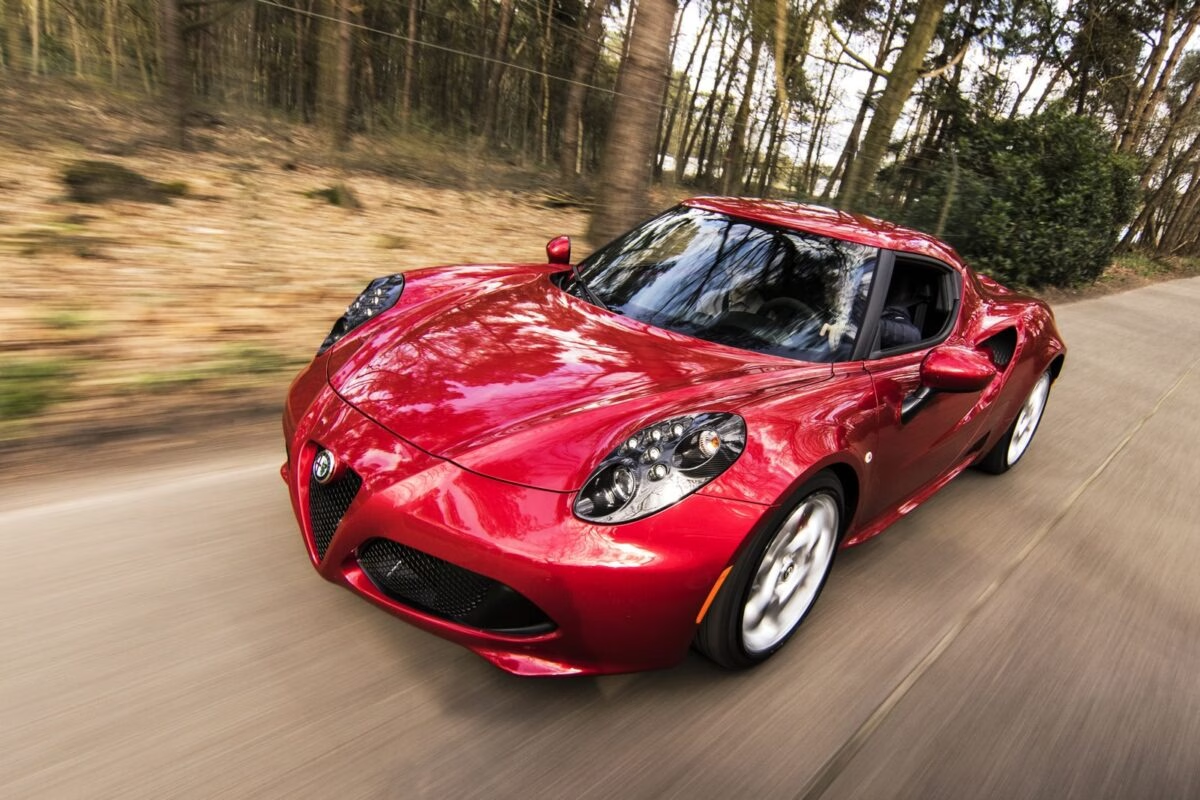
At $20,000 in 2026, a used Tesla Model 3 gets you a 2021-2022 Standard Range with about 55 kWh of usable battery, while the same money buys a 2024 Chinese EV with 500+ km of CLTC range and a larger cabin. The Tesla wins on software; the Chinese car wins on hardware per dollar.
This is not a patriotic argument. It is a spreadsheet one. Chinese EVs depreciated harder than Teslas, so the dollar now buys considerably more car — at least on paper.
What does $20,000 actually buy in each camp?
| Used Tesla Model 3 SR+ | 2024 Chinese mid-size EV | |
|---|---|---|
| Typical year / mileage | 2021-2022 / 60,000-90,000 km | 2024 / 5,000-25,000 km |
| Battery | ~55 kWh NMC or LFP | 60-72 kWh LFP Blade |
| CLTC range | ~468 km (WLTP ~448) | 500-580 km |
| Charging | Supercharger network | Faster peak kW, thinner network |
| Software updates | Years of history, still supported | Varies by brand |
A 2023 BYD Song PLUS EV 520 km Flagship with 71.8 kWh of Blade battery sits right in this bracket and is not a like-for-like rival — it is a taller SUV with more rear space. That is part of the appeal.
Which holds its value better?
Tesla, by a wide margin in most markets. A 2021 Model 3 has a deep pool of global buyers and a well-known price index. A Chinese brand that few people in your country have heard of will be harder to resell in 2031.
That resale gap is worth roughly $2,000-$4,000 over five years. It does not erase the hardware advantage, but it narrows it.
Is Tesla’s software advantage still real in 2026?
Yes, on the fundamentals: navigation routing with charger integration, update cadence, and the consistency of the phone app. A 2021 Model 3 still receives meaningful software updates in 2026. Very few 2021 Chinese EVs can say the same.
But the gap has closed on hardware features. Chinese cars at this price have 360 cameras, ventilated seats, larger screens and better voice control. Tesla’s cabin is sparser and stays sparser. Whether that is minimalism or cheapness is a taste question.
Which is cheaper to keep running?
Tesla, usually — because the service network is global and parts are stocked. A ONVO L60 or a Song PLUS needs a dealer who has seen one before.
Where Chinese cars win on running costs is battery longevity. LFP Blade packs routinely hold 93-96% at 60,000 km, while early NMC Model 3 packs often sit at 88-91%. Replacement costs are similar and both are unpleasant.
Who should buy which?
Buy the Tesla if you travel long distances across regions with Superchargers, if resale matters, or if you want the lowest-drama ownership experience in a market where Tesla is well established.
Buy Chinese if the car will live in one country, you have local dealer support, and you want maximum range, space and equipment for the money. A Leapmotor C11 580 Premium at around $18,000 is a mid-size SUV with 580 km of CLTC range and 272 hp. That is a lot of car for Model 3 money.
One more option worth weighing: a used Xiaomi SU7 Max. At $26,000-$30,000 it is above this budget, but 673 hp and 800 km CLTC make the Model 3 feel slow and short-legged.
Key Takeaways
- $20,000 buys a 2021-2022 Model 3 SR+ or a 2024 Chinese EV with 500+ km CLTC range.
- Tesla wins on software, Supercharging and resale value.
- Chinese EVs win on battery chemistry, cabin space and equipment per dollar.
- LFP Blade packs hold 93-96% health at 60,000 km; early NMC Model 3 packs sit at 88-91%.
- Buy Tesla for portability across markets; buy Chinese for value in one market.
Related Vehicles
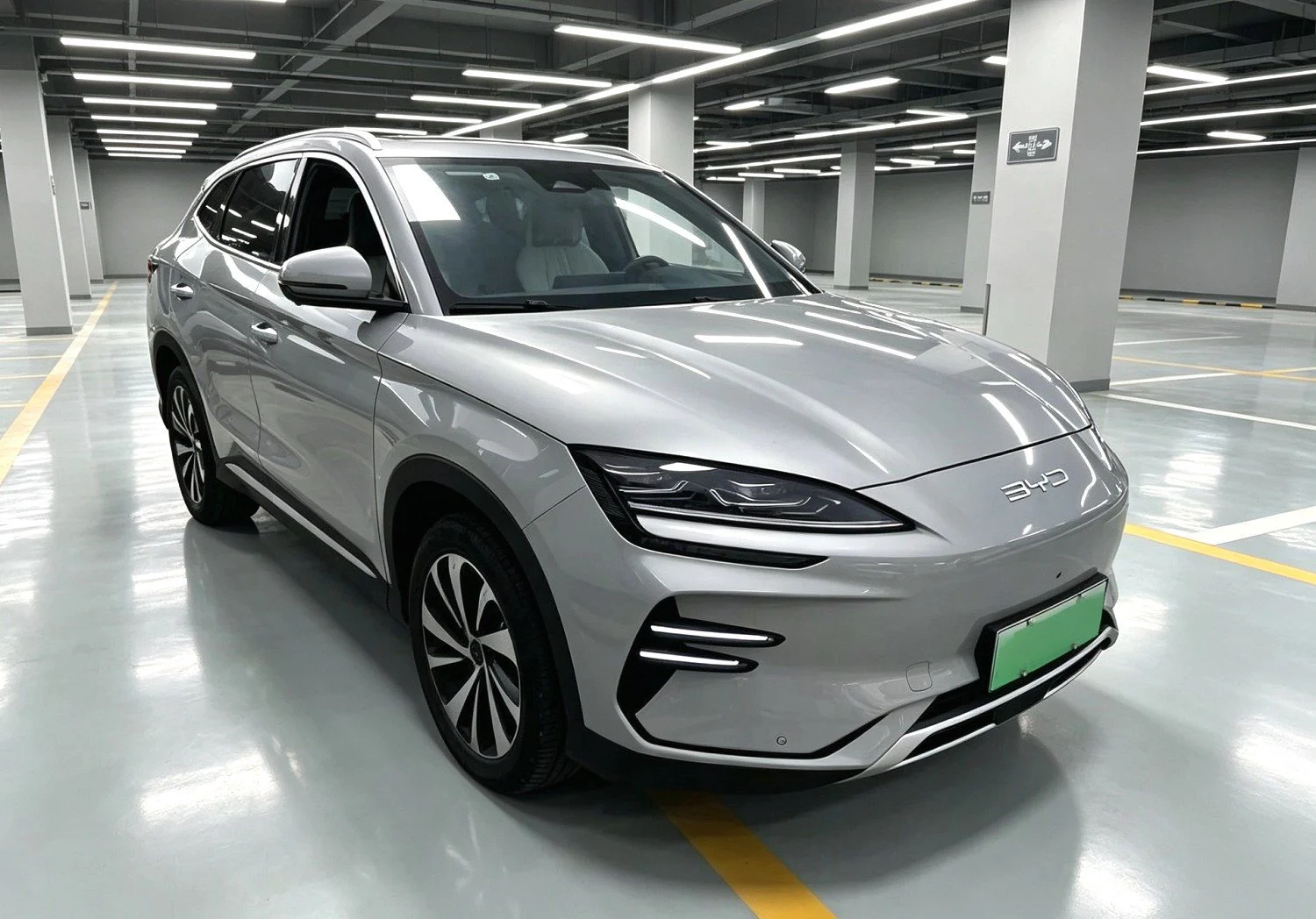
2023 BYD Song PLUS EV Champion Edition 520km Flagship (204HP FWD / Seal U) Electric SUV
- 2024
- 4,000 km
- Automatic
- Electric

2024 ONVO L60 60kWh AWD (462HP / 4.6s / 900V Platform) NIO Electric SUV
- 2024
- 17,000 km
- Automatic
- Electric
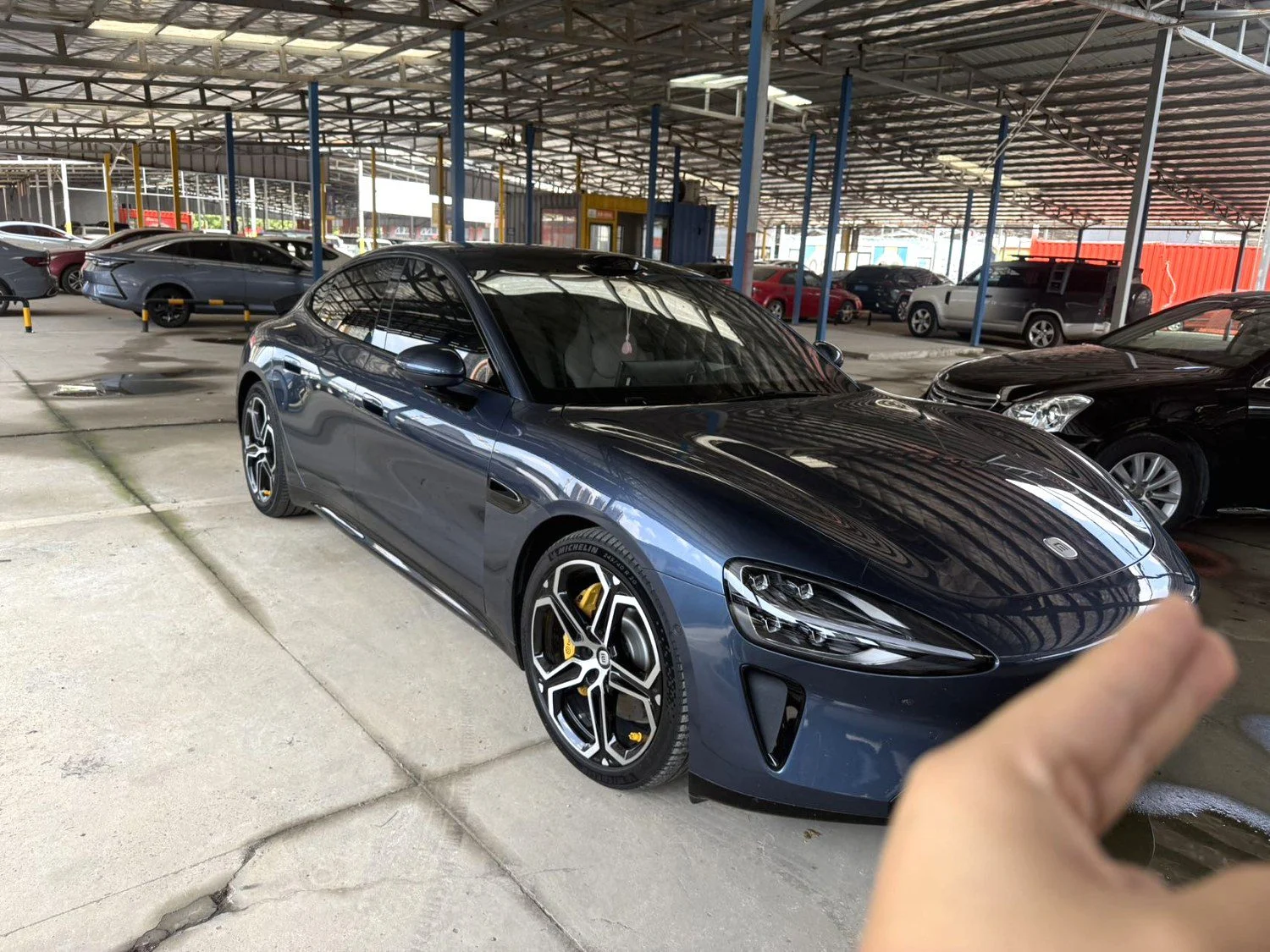
2024 Xiaomi SU7 Max AWD (673HP / 2.78s / 800km Range) Electric Sport Sedan
- 2025
- 50,000 km
- Automatic
- Electric
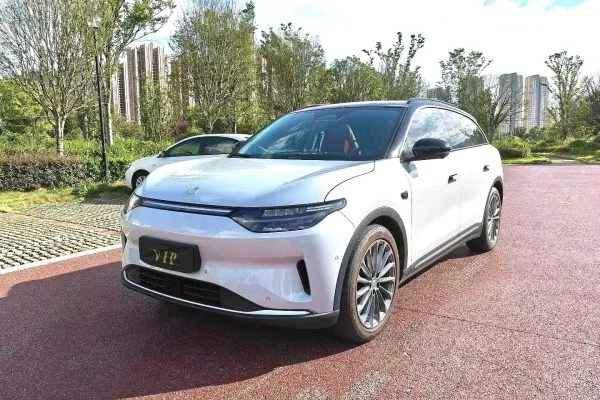
2024 Leapmotor C11 580 Premium Edition for Sale – 272 hp EV, 580 km Range, Export Ready
- 2024
- 21,000 km
- Automatic
- Electric