









Used EV Under 10K in 2026: Seagull, T03 and Hidden Costs
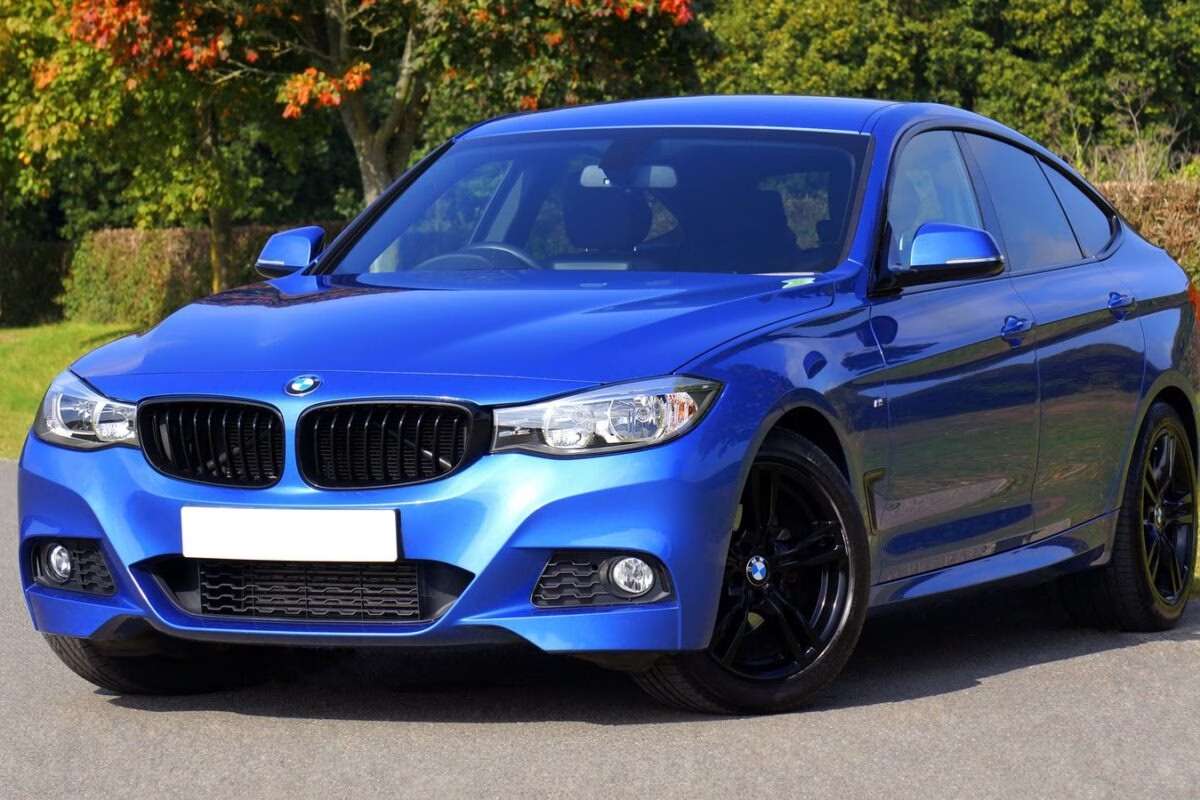
Ten thousand dollars buys a real, usable used electric car in China in 2026 — but it buys a city car, not a family SUV. At $8,500-$10,000 FOB you are looking at 2020-2024 models with 200-400 km of CLTC range, 30-50 kWh batteries, and 20,000-50,000 km on the clock.
The catch is not quality. It is expectations. Buyers who understand the car is a two-lane-town runabout end up delighted. Buyers who think they bought a cut-price Tesla end up writing angry forum posts.
What does a used electric car under 10k actually get you?
Four archetypes dominate the sub-$10,000 band in 2026:
- Four-door minis like the Wuling Hongguang MINI EV — 120 km range, 27 hp, around $4,000-$6,000 used. Fine for deliveries and short school runs. Genuinely not fine on a highway.
- Real hatchbacks like the BYD Seagull — 305 km, 75 hp, $8,000-$9,500 used. This is the sweet spot.
- Small SUVs like the Leapmotor T03 — 403 km, 109 hp, around $9,000-$10,500. Best range per dollar in the category.
- Bolt-on city cars like the Baojun Yep — 303 km, boxy, low mileage examples near $9,000.
The 2023 BYD Seagull Vitality Edition is the car I would point a first-time buyer at. It has a 30.1 kWh LFP Blade pack, 305 km CLTC, real fast charging, and BYD’s parts network covers most of Asia, Africa and Latin America.
Which is better at this price — Seagull or Leapmotor T03?
The T03 wins on range and interior space. The Seagull wins on resale and dealer support.
| BYD Seagull 305 km | Leapmotor T03 403 km | |
|---|---|---|
| Battery | 30.1 kWh LFP Blade | 41.3 kWh LFP |
| Power | 75 hp | 109 hp |
| Used price (2024) | $8,000-$9,500 | $9,000-$10,500 |
| Real summer range | ~235 km | ~300 km |
| Parts network abroad | Dense | Thin outside Europe |
If you are in Latin America or the Middle East, buy the Seagull and accept the shorter range. If you are in Europe, where Leapmotor has a Stellantis-backed dealer channel, the T03 403 Comfort Edition is the stronger car for the money.
Is a $5,000 mini EV ever worth it?
Sometimes, but be honest about the use case. A 2021 Wuling Hongguang MINI EV Macaron at roughly $4,500 is a superb second vehicle for a shop, a farm, or a dense city with 40 km/h streets.
It has 27 hp, no DC fast charging on most trims, and a 120 km CLTC range that becomes 85 km in practice. There is no crash structure worth discussing. Selling one into a market with 100 km/h highways is setting up the buyer for disappointment.
What hidden costs hit sub-$10,000 electric cars?
The sticker price is not the budget. Three costs catch people:
- Charging hardware. Many cheap Chinese EVs ship with a portable 220V cable only. A proper wallbox plus installation runs $400-$1,200.
- Tyre and brake refresh. City EVs often arrive with original 2021 tyres. Budget $350-$600.
- Software and map locks. Some domestic-market cars have navigation and OTA tied to a Chinese account. Confirm with the seller that the head unit works offline before payment.
Freight and destination duties are the fourth item, and on a $9,000 car they hurt more proportionally than on a $30,000 one. A $2,000 shipping bill is 22% of the purchase price. Plan the landed cost before you fall in love with a listing.
Key Takeaways
- $10,000 FOB buys a 2020-2024 Chinese city EV with 200-400 km CLTC range.
- The BYD Seagull 305 km and Leapmotor T03 403 km are the two best all-rounders at this budget.
- Real range runs about 75% of CLTC in summer, less in winter.
- Budget an extra $800-$2,000 for charging hardware, tyres and freight.
- Sub-$6,000 minis are second vehicles, not replacements for a petrol sedan.
Related Vehicles
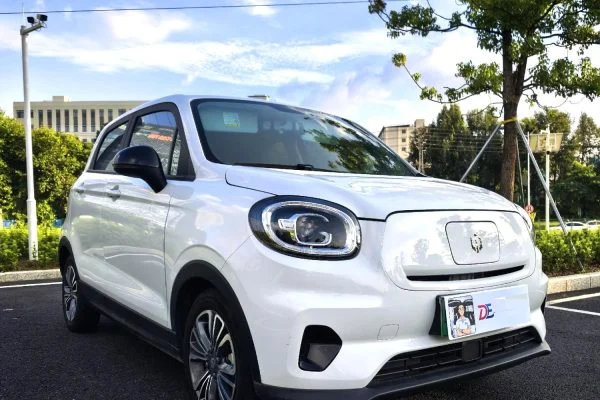
2024 Leapmotor T03 403 Comfort Edition for Sale – 109 hp EV, 403 km Range, Export Ready
- 2024
- 11,000 km
- Automatic
- Electric
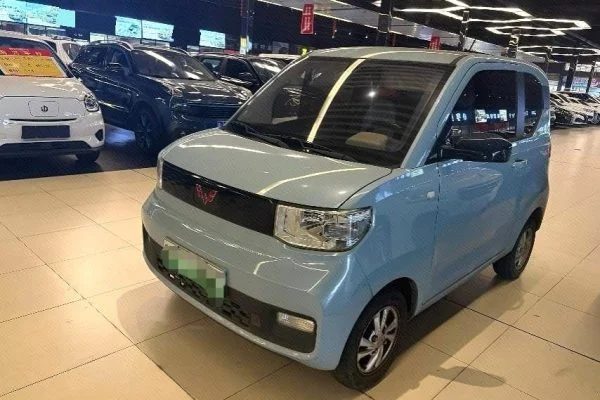
2021 Wuling Hongguang MINI EV Macaron Sandwich (120km / 27HP) – Micro Electric City Car
- 2021
- 20,000 km
- Automatic
- Electric

2023 BYD Seagull Free Edition 305km (55kW / 75HP / Blade Battery) Electric Hatchback
- 2023
- 57,000 km
- Automatic
- Electric