









Reliable Used Cars Under $10,000: China’s 2026 Real-World Picks

The most reliable used cars under $10,000 from China in 2026 are small LFP-battery EVs with simple electronics: the BYD Seagull, Chery eQ1 and Wuling Bingo. All three have documented high-mileage fleets, cheap consumables and no turbochargers, dual-clutch gearboxes or complex emissions hardware to fail.
“Reliable” for a used EV is not the same as reliable for a petrol car. Electric motors rarely fail. The things that break are the battery management system, the DC-DC converter, door actuators and suspension. Knowing which ones matter at 150,000 km changes how you shop.
Which sub-$10,000 Chinese cars actually last?
| Car | Price (FOB) | Known weak point | Verdict |
|---|---|---|---|
| BYD Seagull 305 km | $7,900-$10,500 | Front top mounts, door seals | Best overall |
| Chery eQ1 Little Ant | $5,900-$7,200 | Rear suspension, infotainment | Cheapest to run |
| Wuling Bingo 203 km | $6,400-$7,800 | Small pack, limited range | City only |
| Changan Lumin 301 km | $6,900-$8,200 | Parts delays abroad | Good car, thin support |
The Seagull tops the list for one prosaic reason: BYD’s LFP Blade packs and the brand’s parts distribution reach. Reliability you cannot service is not reliability, and a Seagull can be repaired almost anywhere in Asia or Africa.
Do cheap EVs survive 150,000 km?
The ones built on LFP do. Chinese ride-hailing fleets ran Seagull and eQ1 cars past 150,000 km routinely, and those cars show 85-90% SOH with mostly cosmetic wear. The motor, inverter and DC-DC converter are the parts that last longest; door actuators and window regulators fail first.
Tesla buyers used to say a battery was a 200,000 km wear item. For LFP city EVs, that figure is closer to 300,000 km before capacity becomes a real problem. Small NMC packs in some early Chinese minicars are the exception; they lose 3-4% a year in hot climates.
What are the actual failure points to budget for?
- 12V auxiliary battery. Every EV eats one every 3-4 years. $60-$120, and it strands the car when it dies.
- Door actuators and window regulators. Common on all four models by 100,000 km. $40-$90 each.
- Suspension bushes and top mounts. $60-$150 a corner, more if road quality is poor.
- Brake discs. EVs use brakes so little that discs rust. $80-$140 a pair.
- Charging port latch. Wears faster on cars that DC charge daily. $50-$120.
Total realistic non-warranty maintenance over five years is $700-$1,200. A petrol equivalent would consume $900-$1,500 in oil changes and belt services alone, before any engine work.
Why are these cars reliable in the first place?
Simplicity. One motor, one reduction gear, no clutch, no turbo, no exhaust aftertreatment, no timing chain. A Seagull has roughly 30% of the moving parts of a comparable petrol hatchback. Fewer parts means fewer failures, and the parts that do fail are cheap castings rather than precision assemblies.
That simplicity is also why these cars are so plain. No complex air suspension to break, no panoramic roof that leaks, no eight-way electric seats with memory modules. The trade-off is fewer things to enjoy and fewer things to repair.
What should push you away from a cheap EV?
No SOH report, no charging history, or a seller who is vague about the car’s service records. Also walk away from any car whose battery has been “repaired” informally. Cell-level repairs without BMS recalibration often work for six months and then fail.
Finally, be sceptical of cars with unusually low mileage and unusually worn interiors. Fleet use is not a problem if the price reflects it. A seller hiding it is a problem at any price.
Key Takeaways
- BYD Seagull, Chery eQ1 and Wuling Bingo are the reliable sub-$10,000 picks from China.
- LFP packs commonly hold 85-90% SOH at 150,000 km.
- Budget $700-$1,200 over five years for maintenance, mostly cheap consumables.
- The 12V auxiliary battery is the most common surprise failure.
Related Vehicles
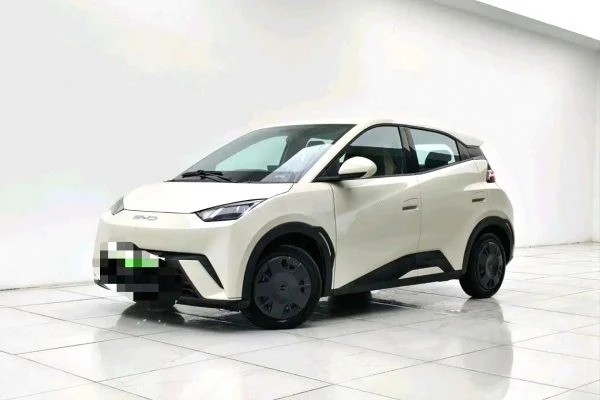
2023 BYD Seagull Vitality Edition 305km EV (75 HP / FWD) – 13,000 km Like-New
- 2024
- 13,000 km
- Automatic
- Electric
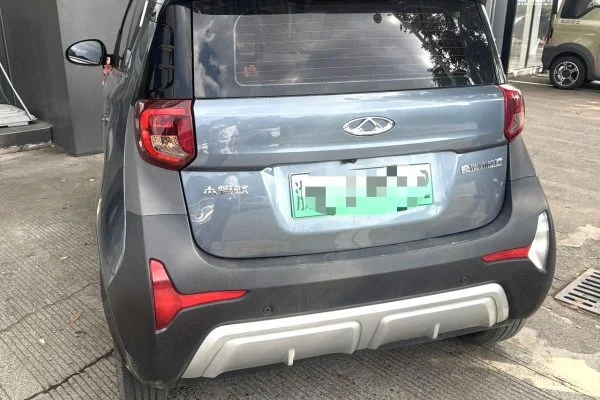
2022 Chery eQ1 Little Ant Tianfen Full Sugar Edition for Sale — 25,000 km, 30.6 kWh, 301 km, Hangzhou Stock
- 2022
- 25,000 km
- Automatic
- Electric

2024 Wuling Bingo EV 203km Light Edition (30kW FWD / DC Fast Charging) City Hatchback
- 2025
- 4,000 km
- Automatic
- Electric
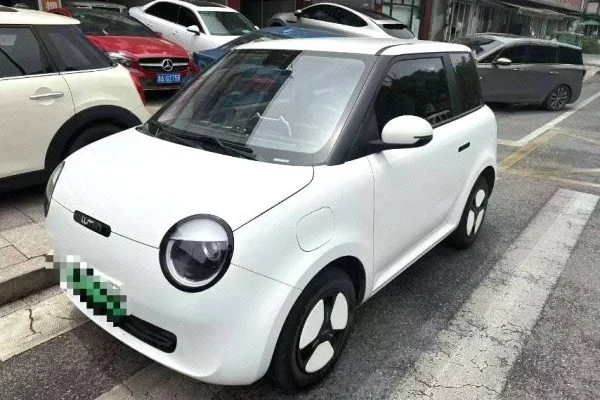
2022 Changan Lumin 301km Mitian Edition (35kW / 48HP) Mini Electric City Car
- 2022
- 18,000 km
- Automatic
- Electric