









Best Used Electric Cars to Buy in 2026: Specs You Should Ignore

The best used electric cars to buy in 2026 are not the fastest ones on the lot. Four numbers predict your ownership experience better than horsepower: battery state of health, DC charging taper, parts lead time in your market and three-year residual.
I have watched buyers pay $6,000 more for a car with 120 extra horsepower and 90 km more rated range, then discover that the fast car needed a $2,000 suspension rebuild at 70,000 km and resold for less than the slower one. Spec sheets are a poor guide to a used car.
Why is state of health the only number that matters first?
Because it is the one number you cannot fix cheaply. A pack at 82% SOH on a 60 kWh car has lost about 11 kWh of usable capacity, worth roughly $4,000 to replace outside China. No amount of trim or screen size compensates.
Ask for SOH alongside cell voltage spread. A spread above 50 mV under load indicates a weakening module, even if the headline SOH looks fine. That is a detail sellers rarely volunteer and a good reason to insist on a live diagnostic screen rather than a printed report.
What does DC charging taper tell you?
Peak charge power is marketing. Taper is reality. A car that peaks at 120 kW but drops to 40 kW by 55% will take longer on a road trip than one that peaks at 80 kW and holds 70 kW to 80%.
| Car | Peak DC | 10-80% time | Honest verdict |
|---|---|---|---|
| Xiaomi SU7 Standard RWD | ~200 kW | ~28 min | Genuinely fast |
| BYD Han EV 506 km | ~110 kW | ~35 min | Good for the price |
| ONVO L60 60 kWh | ~120 kW | ~33 min | Solid, needs good charger |
Used cars often charge slower than when new because the BMS limits current as internal resistance rises. A five-year-old pack at 88% SOH might take 15% longer than the brochure figure. Factor that in if you rely on public charging.
Why does parts lead time beat every feature?
A car that is off the road for six weeks costs more than one that is slower. If your market has no distributor for the brand, every repair becomes a special order. Windscreens, headlights and body panels are the worst offenders because they are model-specific and bulky.
BYD, Wuling and Changan all have broad international distribution. Xiaomi, ONVO and Aito do not, which is the single biggest argument against buying them for export unless you accept the risk knowingly.
How much does residual value really swing?
Hugely. A 2023 BYD Han EV bought at $16,000 in 2026 will likely be worth 45-55% of that in three years, based on current curves. A similar-age, similar-price car from a brand with no overseas presence may lose 65-70%, because the buyer pool shrinks to people who already know the model.
That $1,500-$2,500 residual gap frequently exceeds the entire price difference between the two cars. Buyers who only look at the sticker rarely see it.
What does a sane shortlist look like in 2026?
- Under $10,000: BYD Seagull 305 km. Cheap, tough pack, parts everywhere.
- $15,000-$18,000: BYD Han EV 506 km. Big car, deep depreciation already taken by someone else.
- $18,000-$22,000: ONVO L60 or a BYD Han DM-i if you need petrol backup.
- $24,000+: Xiaomi SU7, only if you value build quality over parts convenience.
Key Takeaways
- Battery SOH and cell voltage spread predict cost better than mileage or age.
- Charging taper matters more than peak DC power on used EVs.
- Brands with international parts distribution hold resale far better.
- Residual gaps of 15-20% often exceed the price difference between two used cars.
Related Vehicles
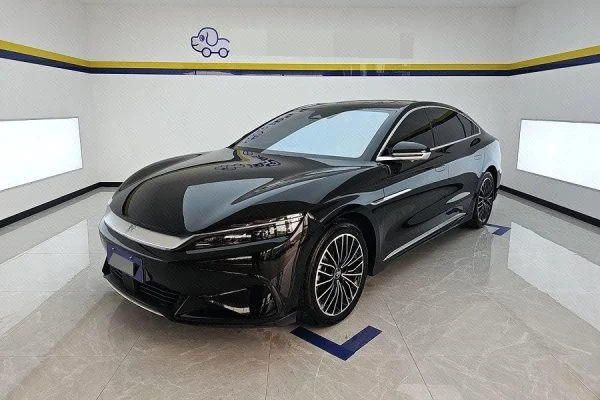
2024 BYD Han EV 506KM Honor Edition Noble (204 HP / FWD) – Executive Electric Sedan
- 2024
- 6 km
- Automatic
- Electric
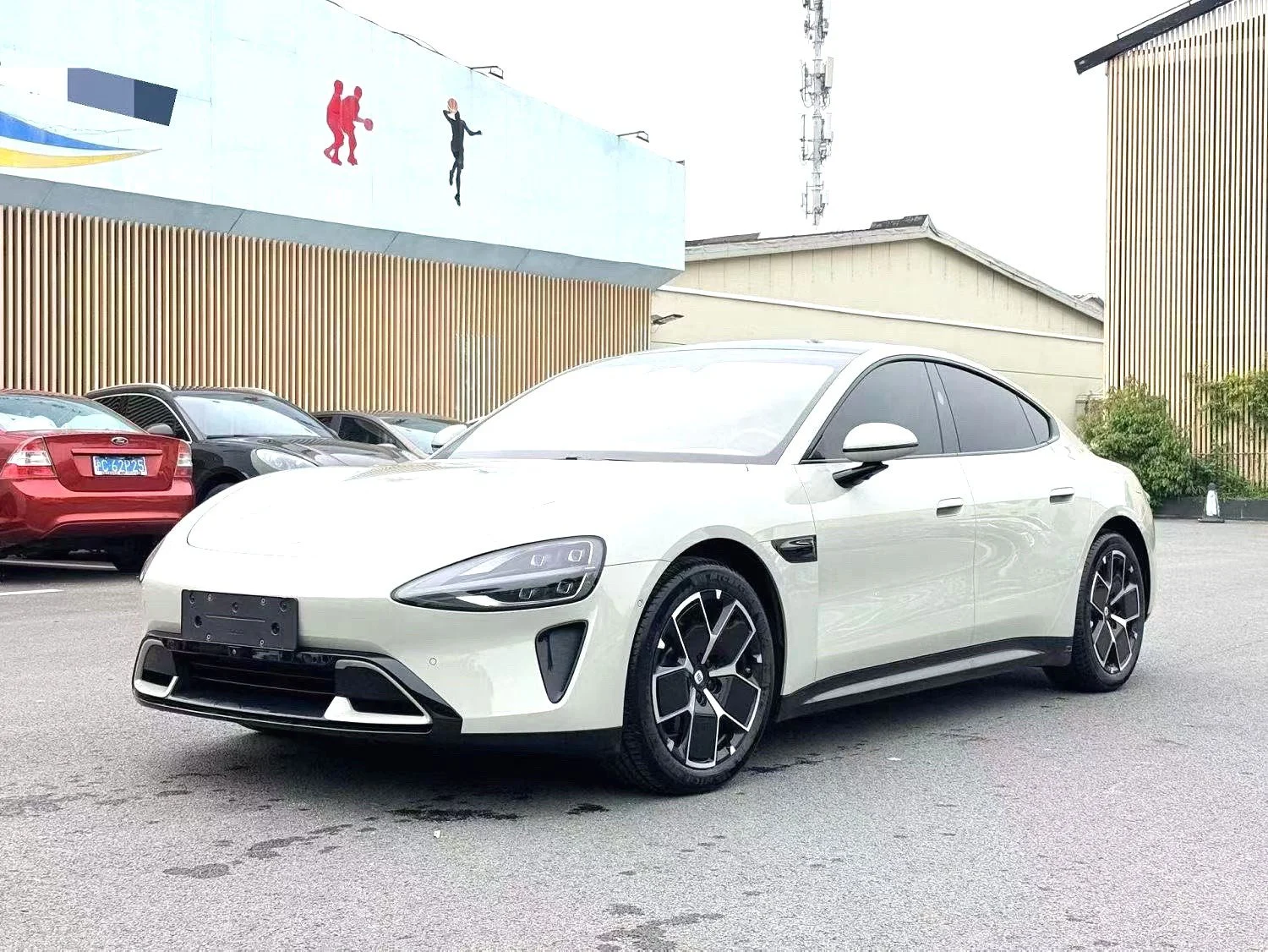
2024 Xiaomi SU7 700km Standard RWD (299HP / 9,800km) Electric Sport Sedan
- 2025
- 9,800 km
- Automatic
- Electric
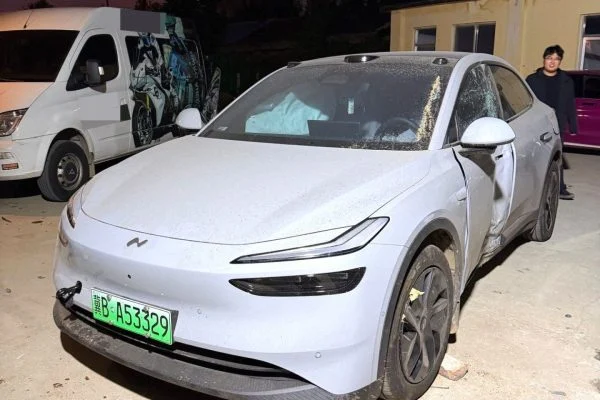
2026 ONVO L60 60kWh Max+ for Sale — 3,000 km, White/Red, Dezhou Stock, FOB Qingdao
- 2026
- 3,000 km
- Automatic
- Electric
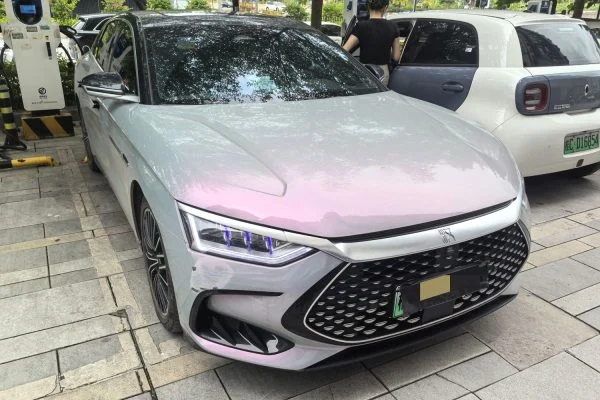
2022 BYD Han DM-i 121KM Premium Edition for Sale – 197 hp PHEV, 121 km EV Range, Export Ready
- 2022
- 50,800 km
- Automatic
- Plug-in Hybrid