









Used Electric Car for Sale by Owner: Real 2026 Private Prices

A used electric car for sale by owner in China in 2026 sells for 8-12% less than the same car on a dealer forecourt, but you lose the inspection report and the paperwork support. On a $9,000 Seagull that is roughly $800 saved for about six hours of extra legwork and one real risk of buying a bad pack.
Private sales are where the best and worst cars in this market live. Both look identical in a listing. The difference shows up in what the seller can produce on request.
How much cheaper is a private EV sale in 2026?
| Car | Dealer price (FOB) | Private price | Saving |
|---|---|---|---|
| BYD Seagull 305 km, 2023 | $8,600-$9,400 | $7,900-$8,700 | ~$700 |
| Wuling Bingo 203 km, 2024 | $6,900-$7,800 | $6,300-$7,100 | ~$700 |
| Chery eQ1 Little Ant, 2022 | $6,200-$7,200 | $5,700-$6,600 | ~$550 |
| Changan Lumin 301 km, 2022 | $7,000-$8,200 | $6,400-$7,500 | ~$700 |
The saving is smaller than it looks. A dealer’s $600 margin pays for the SOH scan, the title cleanup and the export paperwork. If you take the private route, you still pay for those, just separately.
Why do private sellers price lower?
Because they have no floor and no marketing. A Chinese private seller with an expiring insurance renewal and a new car arriving in three weeks is motivated in a way a dealer never is. They are also not bound by any trade-in floor price, so they can accept whatever the market will give.
The flip side: private sellers also cannot fix anything. If the car needs a window regulator or the door lock sticks, the price does not move to reflect it. You accept the car as-is with no recourse.
Which checks matter most at this price point?
- BMS screenshot, not a verbal assurance. Ask for a photo of the diagnostic app showing SOH, cell voltage spread and total charge cycles.
- VIN history. Chinese insurance and traffic records are checkable through a local agent for around $30. Look for accident claims and ride-hailing registration.
- Charging log. A car with 900 DC fast charges on a 30 kWh pack is worn harder than one with 60.
- Payment proof and invoice. The original purchase invoice is what proves the price for customs and import valuation later.
- Physical test drive. Listen for suspension knocks, check all four power windows, run the AC at full for ten minutes.
Can a private seller handle export paperwork?
Rarely, and this is the real reason most overseas buyers end up going through a dealer or exporter. Chinese export of a used vehicle needs the vehicle registration certificate, a deregistration document, an export invoice and a customs declaration. A private individual can do it, but it takes a broker and four to eight working days.
Private deals work when a broker handles the export as a paid service. They fail when a buyer expects a private seller to arrange a container. Keep that division clear before money changes hands.
Who should buy privately, and who should not?
Buy privately if you are already in China, you can inspect the car yourself, and you have a broker for export. The saving is real and the risk is manageable when you can physically check the pack.
Buy from a dealer if you are buying remotely, if you need a documented inspection you can rely on, or if this is your first imported vehicle. Paying $700 for a service that catches one bad battery is money well spent.
Key Takeaways
- Private used EV prices run 8-12% below dealer stock in China in 2026.
- The saving on a $9,000 car is roughly $700, offset by inspection and paperwork costs.
- Demand a BMS screenshot showing SOH and cell voltage spread.
- Private sellers rarely manage export, so plan a broker from the start.
Related Vehicles
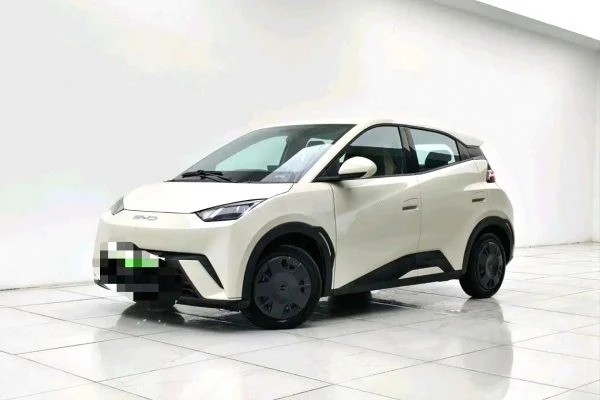
2023 BYD Seagull Vitality Edition 305km EV (75 HP / FWD) – 13,000 km Like-New
- 2024
- 13,000 km
- Automatic
- Electric

2024 Wuling Bingo EV 203km Light Edition (30kW FWD / DC Fast Charging) City Hatchback
- 2025
- 4,000 km
- Automatic
- Electric
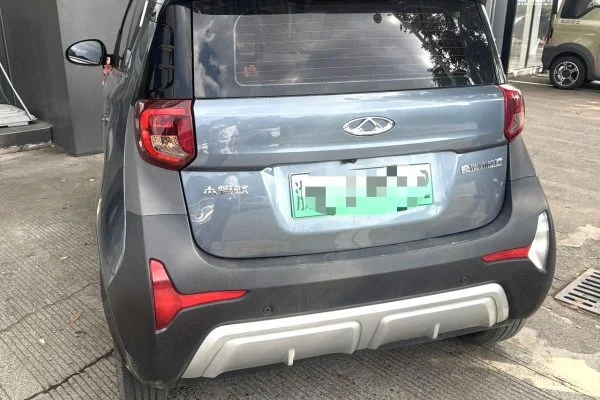
2022 Chery eQ1 Little Ant Tianfen Full Sugar Edition for Sale — 25,000 km, 30.6 kWh, 301 km, Hangzhou Stock
- 2022
- 25,000 km
- Automatic
- Electric
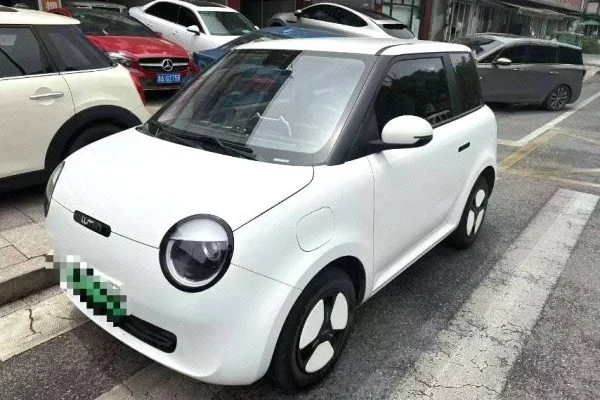
2022 Changan Lumin 301km Mitian Edition (35kW / 48HP) Mini Electric City Car
- 2022
- 18,000 km
- Automatic
- Electric