









Cheap Second Hand Electric Cars: 5 Picks Under $11,000

Cheap second hand electric cars for sale in China start around $5,000 and get genuinely usable at $8,000-$11,000. Below $5,000 you are buying a city runabout with 120-200 km of range, not a car for the highway.
The used EV market in China is unlike anywhere else. Depreciation is brutal on new cars — a 2024 model can lose 40% in eighteen months — which pushes tidy low-mileage stock into the cheap bracket far earlier than in Europe or North America.
What does “cheap” actually mean for a used EV?
Four tiers, roughly, for cars sourced from China in 2026:
- Under $6,000 — 2018-2020 micro EVs: Baojun E100, Wuling Hongguang Mini, Chery eQ1. Two to four seats, 120-300 km.
- $6,000-$10,000 — 2021-2023 city hatchbacks: BYD e2, Wuling Binguo, Changan Lumin, Geely Panda Mini. 200-400 km.
- $10,000-$15,000 — 2022-2023 compact SUVs: BYD Atto 3, Leapmotor C11, Deepal S05. 400-580 km.
- $15,000+ — flagship trims, long-range sedans, near-new stock.
What does a cheap used EV really cost to run?
On home charging at $0.10/kWh, a Binguo doing 15,000 km a year at 12 kWh/100 km costs about $180 in electricity. The same distance in a 7 L/100 km petrol hatch costs roughly $1,300. Service runs $80-$150 a year.
Set against that: tyres wear faster because the cars are heavy for their size, and public DC charging can triple your energy cost if you cannot charge at home.
Key Takeaways
- Cheap used EVs from China start near $5,000; $8,000-$11,000 buys a genuinely usable 300 km city car.
- Prefer LFP batteries over older ternary packs — they degrade more slowly and tolerate abuse better.
- NEDC range figures overstate real range by roughly 20%; CLTC by about 15%.
- Skip any car under 25 kWh or without a battery health report.
- Running costs of $200-$400 a year in electricity are the real reason to buy one.
Which cheap EVs should you avoid?
Anything with a ternary lithium pack and no battery report, sold at a suspiciously low price. Early NCM packs in cheap Chinese EVs degrade faster than LFP, and replacement cost can exceed the car’s value.
Avoid 2016-2018 models with under 25 kWh, too. Those cars were built around a subsidy formula, not around usability, and a 100 km real range gets old within a month.
What does a cheap used EV really cost to run?
On home charging at $0.10/kWh, a Binguo doing 15,000 km a year at 12 kWh/100 km costs about $180 in electricity. The same distance in a 7 L/100 km petrol hatch costs roughly $1,300. Service runs $80-$150 a year.
Set against that: tyres wear faster because the cars are heavy for their size, and public DC charging can triple your energy cost if you cannot charge at home.
Key Takeaways
- Cheap used EVs from China start near $5,000; $8,000-$11,000 buys a genuinely usable 300 km city car.
- Prefer LFP batteries over older ternary packs — they degrade more slowly and tolerate abuse better.
- NEDC range figures overstate real range by roughly 20%; CLTC by about 15%.
- Skip any car under 25 kWh or without a battery health report.
- Running costs of $200-$400 a year in electricity are the real reason to buy one.
Which cheap used EVs still make sense in 2026?
Five that hold up, with the honest caveats:
BYD e2 (2019-2021). A 5-door hatchback with a 47.3 kWh battery and 405 km NEDC range. The 2019 e2 High-Range Luxury on our lot has 96,000 km and still tests close to 330 km of real range. Cheap to run, parts are common, and the interior is basic but durable. Downside: NEDC range means the real number is about 80% of the sticker.
Wuling Binguo (2023-2024). 333 km CLTC, 31.9 kWh LFP pack, DC fast charging. The 2024 Binguo Enjoy Edition is a genuinely practical four-door with a usable boot. LFP chemistry means slower degradation than the ternary cells in older micro EVs.
Wuling Bingo 203 km (2024). The smallest Bingo is a strict city car — 203 km CLTC is about 150 km in traffic with climate on. At the 203 km Light Edition price point it is the cheapest way into a car with a warranty and fast charging.
Chery eQ1 Little Ant (2022). Rear-wheel drive, aluminium body, 301 km CLTC. The 2022 eQ1 Tianfen edition at 25,000 km is one of the better-built micro cars — the aluminium structure resists the corrosion that kills cheap steel-bodied EVs in humid markets.
Baojun E100 (2018). Two seats, 39 hp, 200 km. At under $5,000 for a 34,000 km example it is a scooter replacement for a dry, flat city. Not much else.
Which cheap EVs should you avoid?
Anything with a ternary lithium pack and no battery report, sold at a suspiciously low price. Early NCM packs in cheap Chinese EVs degrade faster than LFP, and replacement cost can exceed the car’s value.
Avoid 2016-2018 models with under 25 kWh, too. Those cars were built around a subsidy formula, not around usability, and a 100 km real range gets old within a month.
What does a cheap used EV really cost to run?
On home charging at $0.10/kWh, a Binguo doing 15,000 km a year at 12 kWh/100 km costs about $180 in electricity. The same distance in a 7 L/100 km petrol hatch costs roughly $1,300. Service runs $80-$150 a year.
Set against that: tyres wear faster because the cars are heavy for their size, and public DC charging can triple your energy cost if you cannot charge at home.
Key Takeaways
- Cheap used EVs from China start near $5,000; $8,000-$11,000 buys a genuinely usable 300 km city car.
- Prefer LFP batteries over older ternary packs — they degrade more slowly and tolerate abuse better.
- NEDC range figures overstate real range by roughly 20%; CLTC by about 15%.
- Skip any car under 25 kWh or without a battery health report.
- Running costs of $200-$400 a year in electricity are the real reason to buy one.
Related Vehicles

2019 BYD e2 High-Range Luxury Edition (70kW / 95HP / 405km NEDC) EV Hatchback
- 2020
- 96,000 km
- Automatic
- Electric

2024 Wuling Bingo (Binguo) 333km Enjoy Edition (50kW / 68HP) Electric Hatchback
- 2024
- 60,000 km
- Automatic
- Electric
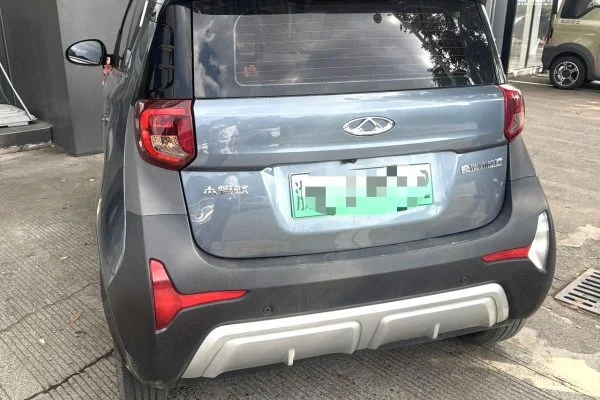
2022 Chery eQ1 Little Ant Tianfen Full Sugar Edition for Sale — 25,000 km, 30.6 kWh, 301 km, Hangzhou Stock
- 2022
- 25,000 km
- Automatic
- Electric

2024 Wuling Bingo EV 203km Light Edition (30kW FWD / DC Fast Charging) City Hatchback
- 2025
- 4,000 km
- Automatic
- Electric