









Cheapest Used Electric Cars for Sale in China: 2026 Price List
The cheapest used electric cars for sale in China in 2026 start at $3,900 for a 2022 Wuling Hongguang MINI EV and reach about $9,500 for a 2024 Leapmotor T03. Nine models sit in between. Only about half of them make sense to export.
Prices here are FOB China as of late 2026, taken from dealer and private listings in Guangdong, Zhejiang and Shandong. They move with the RMB exchange rate, so treat them as bands rather than quotes.
What is the full price list?
| Model | Year | CLTC range | Power | Price (FOB China) |
|---|---|---|---|---|
| Wuling Hongguang MINI EV Zizai | 2022 | 120 km | 27 hp | $3,900-$4,800 |
| Baojun E100 Zhixiang | 2018 | 155 km | 39 hp | $2,400-$3,200 |
| Chery eQ1 Little Ant 301 | 2022 | 301 km | 41 hp | $5,600-$6,800 |
| Changan Lumin 301 Mitian | 2022 | 301 km | 48 hp | $6,800-$7,800 |
| Wuling Bingo 333 Enjoy | 2024 | 333 km | 68 hp | $7,400-$8,600 |
| Geely Xingyuan 310 Youth | 2025 | 310 km | 79 hp | $8,400-$9,600 |
| BYD Yuan UP (Atto 2) 401 | 2024 | 401 km | 95 hp | $9,200-$10,500 |
| Leapmotor T03 403 Comfort | 2024 | 403 km | 109 hp | $9,800-$11,500 |
| BYD Seagull 305 Freedom | 2025 | 305 km | 75 hp | $8,900-$10,200 |
Which of the cheapest cars is actually usable?
The dividing line is DC fast charging and range. The 2022 Wuling Hongguang MINI EV Zizai at $3,900 has neither. It is a 27 hp two-box city car with 120 km CLTC, which is about 90 km in practice and 65 km in cold weather. Marvellous in Chengdu. Useless almost anywhere you would ship it.
The 2018 Baojun E100 at $2,400-$3,200 is cheaper still, and worse. Eight years old, 155 km claimed, two seats, and an NMC pack from a generation of cells that is no longer supported. Buy that one only as a parts donor.
Real value starts at the 2024 Wuling Bingo 333km Enjoy at $7,400-$8,600. It has 333 km CLTC, 68 hp, four doors, a 31.9 kWh LFP pack and DC charging. That is a car you can actually use, for under $9,000.
Is the cheapest EV always the worst value?
Often, yes — but not for the reason people assume. The problem is not reliability. Chinese microcars are basic and mechanically simple, and LFP packs last. The problem is fixed costs. Freight, inspection and paperwork run $1,200-$2,000 per car regardless of whether the car cost $4,000 or $10,000.
So a $4,000 car with $1,800 of logistics lands at $5,800, a 45% markup. A $9,500 car with the same logistics lands at $11,300, a 19% markup. The cheap end of the market punishes you with percentages, not reliability.
What should you expect on battery condition at these prices?
- 2022-2025 LFP cars: 92-97% state of health at 30,000-50,000 km. Low risk.
- 2018-2020 NMC microcars: 75-85% SOH is normal, and replacement packs are effectively unavailable.
- Ex-carshare units: common in the Hongguang MINI and eQ1 pool. Check for 500+ charge cycles.
- Winter range loss: LFP cars lose 25-30% below 0°C. Not a defect, just physics.
Which models would I actually ship?
Three: the Leapmotor T03 403 Comfort for range, the BYD Seagull 305 Freedom for build quality and BYD’s parts network, and the Wuling Bingo for the lowest landed price that still gives four doors and DC charging.
Everything else on the list is either a homologation headache, a parts dead end, or both. That is not a knock on the cars. It is a knock on importing a $3,000 vehicle eight thousand kilometres.
Key Takeaways
- The cheapest used EVs in China run $2,400-$4,800, but fixed export costs of $1,200-$2,000 wreck the maths at that end.
- $7,400-$9,600 is the practical floor for a shippable car with DC charging and 300+ km range.
- Pre-2021 NMC microcars have 75-85% battery health and no realistic replacement path.
- The Wuling Bingo 333, BYD Seagull 305 and Leapmotor T03 403 are the three worth importing.
- Calculate landed cost, not sticker price — logistics is a flat fee that hits cheap cars hardest.
Related Vehicles
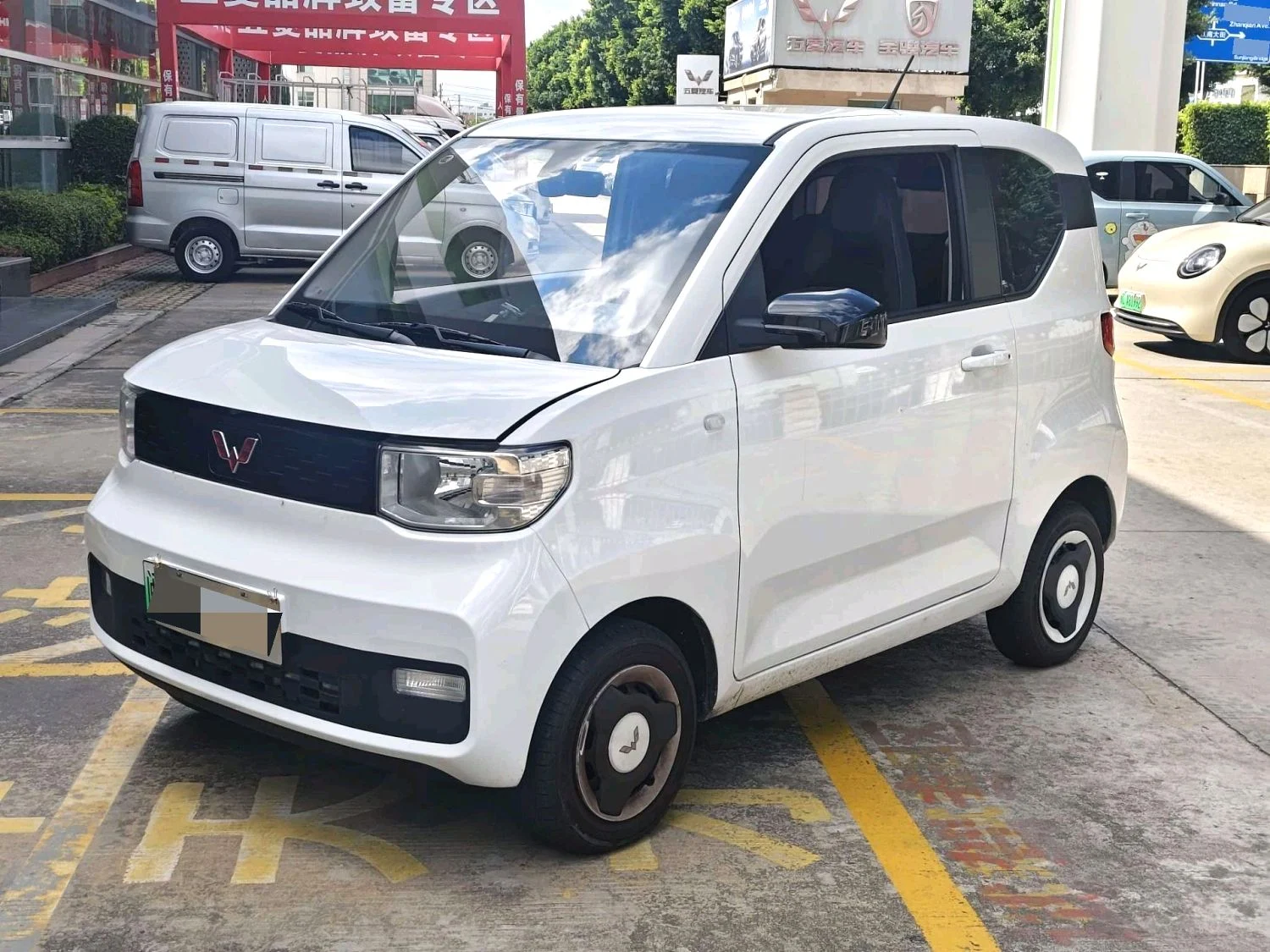
2022 Wuling Hongguang MINI EV Zizai (120km Range / LFP Battery) Smart Micro EV
- 2023
- 16,700 km
- Automatic
- Electric
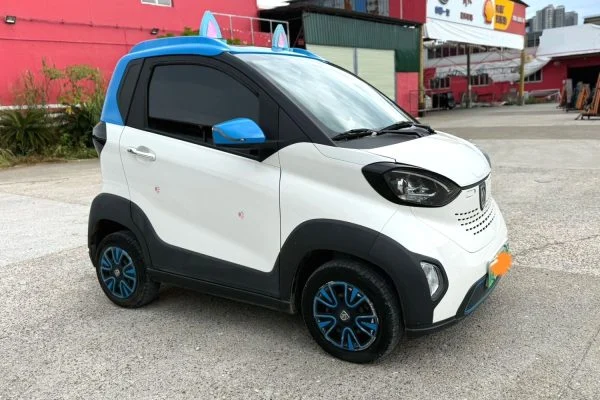
2018 Baojun E100 Zhixiang Edition (29kW / 39HP) 2-Seater Mini Electric Car
- 2018
- 34,000 km
- Automatic
- Electric
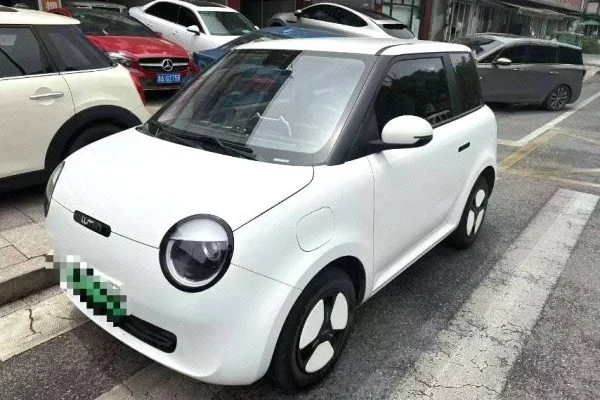
2022 Changan Lumin 301km Mitian Edition (35kW / 48HP) Mini Electric City Car
- 2022
- 18,000 km
- Automatic
- Electric

2024 Wuling Bingo (Binguo) 333km Enjoy Edition (50kW / 68HP) Electric Hatchback
- 2024
- 60,000 km
- Automatic
- Electric