









Used Electric Car for Sale by Owner: Where the Good Cars Hide
Used electric cars sold by owner in China run 8 to 12 percent cheaper than dealer stock, but the buyer carries all the verification risk. For a $14,000 car that is $1,100-$1,700 saved, and roughly one afternoon of work to confirm the battery, ownership history and accident record are real.
On a private listing, the inspection you would normally get from a used-car desk is missing. Chinese private sellers rarely have a battery report and often cannot explain what state of health means. That is not dishonesty. It is a gap you have to close.
Where do owner-sold used EVs from China actually show up?
Three places, and they carry different risk levels.
- Direct from a Chinese private seller: cheapest, but you need an agent on the ground, and payments are hard to secure from abroad.
- Small export agents who buy private stock: a reasonable middle path. They do the pickup, you get a car with a company invoice and export paperwork.
- Dealer trade-ins resold as “owner sale”: common and mislabelled. If the invoice is a company, it is dealer stock no matter how the listing reads.
The third one matters because the price advantage disappears while the risk stays. Ask who is named on the vehicle registration certificate. That single question separates a real private sale from a relabelled trade-in.
How much cheaper is a private used EV, really?
A 2023 BYD Seagull with 13,000 km sells around $6,500-$7,500 FOB through an agent. A small city EV like the Leapmotor T03 403 Comfort, a 2024 car with a 41.3 kWh pack and 403 km CLTC range, sits at $7,200-$8,400. Wuling Bingo 333 km cars cluster at $5,800-$6,900.
The spread inside those bands is where “by owner” shows up. Private cars tend to sit at the bottom of the range; dealer cars with a warranty write-up sit at the top. On sub-$8,000 cars the difference is thin enough that a proper inspection may cost you more than you save.
What does the battery report tell you on a private car?
It tells you the pack’s state of health, the cell voltage spread, and whether any module was replaced. All three matter, and the seller cannot fake a BMS screenshot convincingly.
For a 2023 Seagull with 13,000 km, expect 96-98 percent SOH. Leapmotor T03 cars at similar age usually read 94-97 percent. Anything at 90 percent or below on a car under 30,000 km hints at either a hard life or a software-relabelled pack.
Also ask for a photo of the odometer with the dashboard on and the VIN visible, plus the registration document. Cross-check the VIN against the plate in any service photos. Mileage rollback on cheap Chinese EVs is not common, but it happens on ex-fleet minis.
Is buying from an owner worth the hassle?
Yes for cars above $12,000, and no for cheap city EVs. The threshold is not arbitrary. It is where the size of the discount finally outweighs the cost of paying someone to check the car properly.
On a $15,000 used EV, a 10 percent saving is $1,500. Spending $200 on an independent battery scan and $300 on an agent to inspect the car is obviously worth it. On a $6,000 Wuling Bingo, the same process eats most of the discount, and the absolute downside is smaller.
The other factor is parts and support. A private seller disappears after the money clears. An agent who exports regularly has a reason to answer your messages in six months when a charge port fails. That is worth something even if it is not on the invoice.
What three used EVs are worth checking right now?
A 2023 BYD Seagull with 13,000 km is the safest cheap city EV on this site, mostly because the Blade pack is well documented. The 2024 Leapmotor T03 403 Comfort gives more range for similar money. If you want an SUV body with a range extender, the 2024 Leapmotor C10 EREV is a different budget entirely but avoids charging anxiety.
What paperwork should an owner sale include?
Four documents: the registration certificate, the purchase invoice, a photo of the VIN plate, and the seller’s ID matching the registered owner. Missing any one of them turns a straightforward export into a negotiation with customs.
On private Chinese sales the invoice is the weak link. Many owners never kept it. Without it, an exporter has to reconstruct the chain of ownership, which adds days and sometimes a fee. Ask before you agree a price, not after.
Is a Used Electric Car for Sale by Owner Really Cheaper?
Key Takeaways
- Owner-sold used EVs from China are typically 8-12 percent below dealer prices.
- On cars under $8,000, the saving rarely covers a proper independent inspection.
- Check the registration document name to confirm it is really a private sale.
- Expect 96-98 percent SOH on a 2023 Seagull with 13,000 km.
- Use an agent for anything above $12,000 so someone answers the phone after delivery.
Related Vehicles
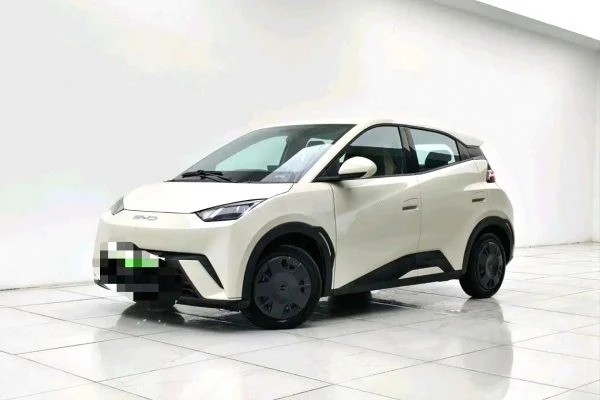
2023 BYD Seagull Vitality Edition 305km EV (75 HP / FWD) – 13,000 km Like-New
- 2024
- 13,000 km
- Automatic
- Electric
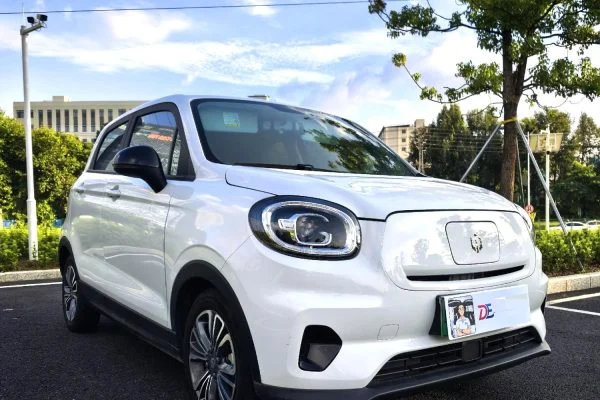
2024 Leapmotor T03 403 Comfort Edition for Sale – 109 hp EV, 403 km Range, Export Ready
- 2024
- 11,000 km
- Automatic
- Electric
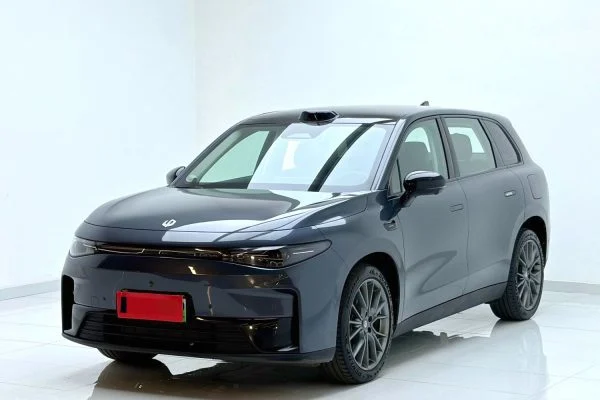
2024 Leapmotor C10 210 Smart Driving Edition for Sale – 231 hp EREV SUV, LiDAR, Export Ready
- 2025
- 19,000 km
- Automatic
- Plug-in Hybrid
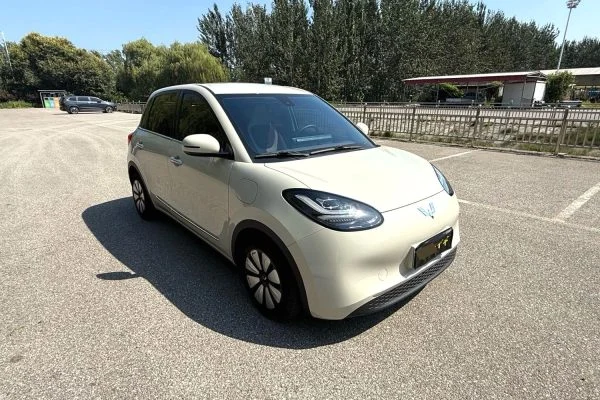
2023 Wuling Binguo 333km Express Edition for Sale – 68 hp EV, 333 km Range, Export Ready
- 2024
- 6,000 km
- Automatic
- Electric