


Used Electric Car for Sale by Owner: China 2026 Guide

A used electric car for sale by owner in China costs roughly 5 to 10% less than the same car through a dealer in 2026. On a $15,000 car that is $750 to $1,500. The saving is real, and so is the extra work.
Private sales are common in China because individuals list cars on platforms instead of trading them in. Most overseas buyers never meet the original owner, but understanding how a private car differs from a dealer car changes which one you should chase.
Why is a by-owner car cheaper?
Because nobody has prepped it. A dealer car gets washed, inspected, photographed in good light and often serviced before listing. A private car is sold as it stands, with the owner’s floor mats and every fault it has picked up.
The gap also prices in risk transfer. A private seller offers no warranty and often nothing beyond the registration document. You pay less because you accept more uncertainty.
There is an upside. A private seller usually knows the full history because they drove the car daily. Ask about charging habits, where it is parked, and whether it ever had a warranty claim. A real owner answers in detail. A flipper does not.
What documents must a by-owner sale include?
- Registration certificate showing the first registration date, not only the model year. Chinese listings confuse the two constantly.
- Service record with dealer stamps or app screenshots of each visit.
- Battery state-of-health report pulled from the BMS. Any BYD, GAC or Leapmotor dealer can produce one in minutes.
- Written accident disclosure. A repaired car is not automatically a bad buy. Hidden structural repair is.
If a seller cannot supply the first three, the discount is not worth taking. Those documents protect resale value later, and a car without them is harder to move to the next buyer.
Which cars actually show up in private sales?
High-volume family EVs. The 2022 BYD Atto 3 510km Flagship appears often because BYD sold it in large numbers to first-time EV buyers. The 2024 Leapmotor T03 turns up too, usually from owners trading up to a bigger car after a year.
What you rarely find privately: premium SUVs such as the AITO M7 or Li Auto L7. Those buyers use dealer trade-in, so most used stock sits with dealers and prices stay firmer.
How much cheaper is a private car in practice?
Compare two real listings from the same model year. A dealer-held 2023 Atto 3 Champion with 21,000 km sits at $14,800. A private 2022 Atto 3 Flagship with 56,000 km is at $13,800, but the mileage is double, so that is not a fair comparison of channels.
The clean way to measure it: find the same model, year and mileage from both channels. When buyers do that on Chinese platforms, private listings land 5 to 10% lower, and the difference shrinks to almost nothing on cars under $8,000 where dealer margins are thin.
Below $8,000, stop chasing channel discounts. Condition matters more than who is selling.
What goes wrong with private sales?
Two failure modes dominate. The first is an undisclosed accident: a car repaired outside the dealer network leaves no record in the service history. Look for paint mismatch under the rear doors and check the boot floor seams.
The second is a battery that was abused. A private owner who fast-charged daily for three years and always charged to 100% will hand you a car with 84% state of health and a cheerful story. The number on the BMS report does not negotiate.
Both are solvable with one habit: never pay before you see the state-of-health figure and a photo of the charging screen at 100%. If the seller resists that, walk.
Should you buy private or through a dealer?
Private if you know what you are looking at, the car is under $12,000, and the paperwork is complete. The $1,000 you save is real money on a car that costs $15,000.
Use a dealer if the car is above $18,000, if you cannot inspect it in person, or if it is your first Chinese EV. On a 2024 Leapmotor C11 at $13,800 or a premium SUV at $30,000 plus, the extra margin buys inspection, paperwork and someone to chase when something breaks.
Key Takeaways
- By-owner used EVs in China sell 5 to 10% below dealer prices, about $750 to $1,500 on a $15,000 car.
- Demand four documents: registration date, service record, BMS health report and written accident disclosure.
- Private sales are common on high-volume models like the BYD Atto 3 and Leapmotor T03.
- Below $8,000 the channel discount is too small to matter; buy on condition.
- For cars above $18,000 or any first purchase, a dealer is worth the margin.
Related Vehicles

2022 BYD Yuan PLUS (Atto 3) 510km Flagship (204HP FWD) Electric Compact SUV
- 2022
- 56,000 km
- Automatic
- Electric
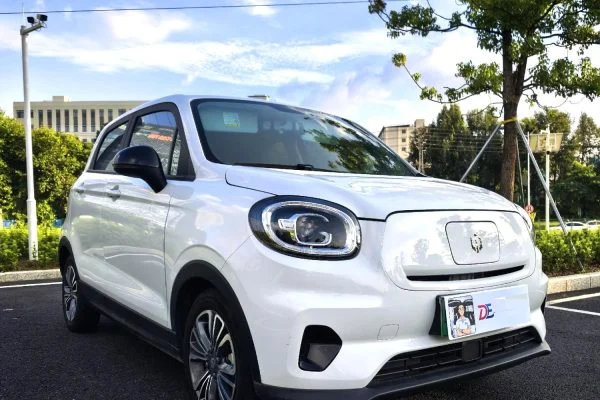
2024 Leapmotor T03 403 Comfort Edition for Sale – 109 hp EV, 403 km Range, Export Ready
- 2024
- 11,000 km
- Automatic
- Electric
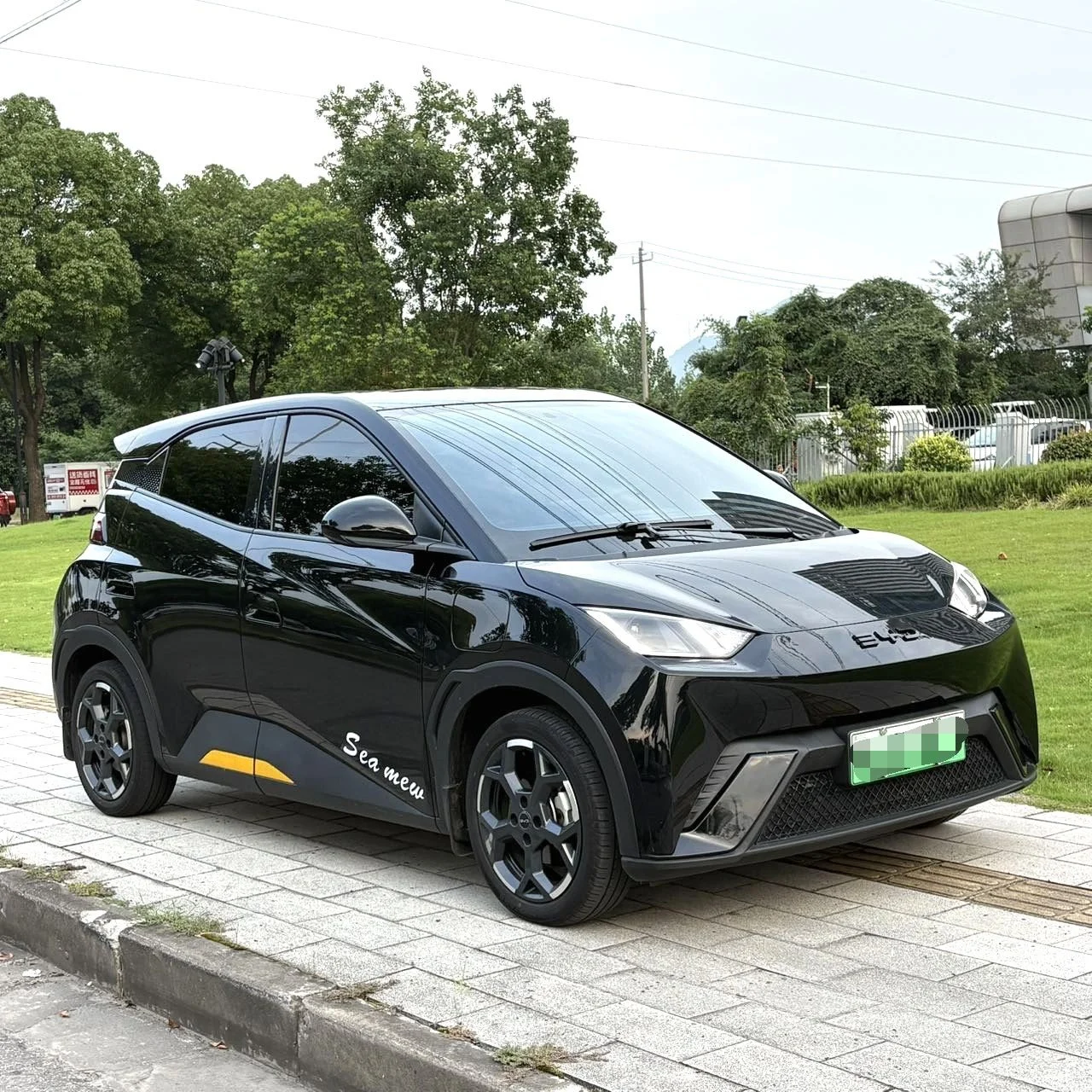
2025 BYD Seagull (Dolphin Mini) 305km Freedom Edition – Compact City EV | Ready to Ship
- 2024
- 35,000 km
- Automatic
- Electric
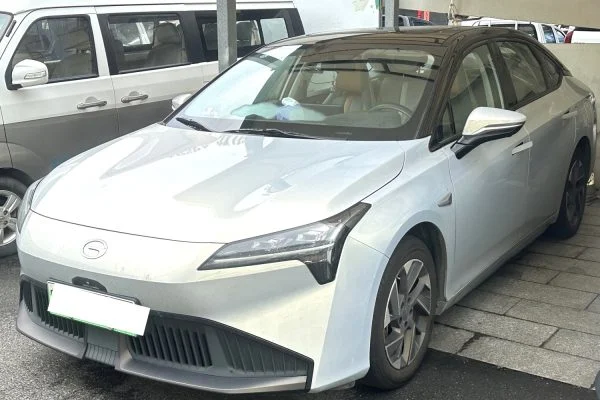
2023 GAC Aion AION S Plus 70 Enjoyment Edition for Sale – 204 hp EV, 510 km Range, Export Ready
- 2023
- 35,000 km
- Automatic
- Electric