


Real Cost of a Used Electric Car Under $5,000 in 2026

A used electric car under $5,000 is realistic in 2026, but only for a city car. A 2023 Geely Panda Mini with 20,000 km lists at $3,800. A 2024 Wuling Bingo with 4,000 km lists at $4,800. Both are genuine road-legal EVs with fast charging options.
What neither price includes is the part where the real cost lives. Budget buyers tend to compare the sticker to a new EV and stop there. The number that matters is total cost over three years.
What can you actually buy for under $5,000?
Two classes of car, and they are very different.
- 2023 Geely Panda Mini 200km Endurance Bear, 20,000 km: $3,800. 41 hp, 200 km CLTC, 4 seats, 3-door.
- 2024 Wuling Bingo 203km Light Edition, 4,000 km: $4,800. 30 kW, 203 km CLTC, 5-door, DC fast charging.
- 2021 Wuling Hongguang MINI EV Macaron, 23,000 km: $4,100. 27 hp, 120 km range, the original micro EV.
The Panda Mini and the Bingo are the only two I would recommend to someone buying from overseas. Both come from brands with export channels and both have parts that can be sourced. The Hongguang MINI EV at 120 km is a shopping trolley with a licence plate, and it is honest about that.
What does the $5,000 price leave out?
Four things, and together they can add 30 to 50% to your outlay.
- Shipping and port handling: typically $900 to $2,000 depending on route and container sharing.
- Import duty and VAT: varies wildly by country. Some markets tax small EVs lightly, others apply the full passenger car rate.
- Registration and inspection: most markets require a compliance check, and a Chinese-market city car may need lighting or labelling changes.
- Tyres and consumables: a $3,800 car with original 2023 tyres needs a new set within a year.
So the honest budget for a $3,800 Panda Mini landed in your driveway is $5,500 to $7,000. Still cheap. But not $3,800.
How much does a cheap used EV cost to run?
Very little. The Panda Mini has a 17 kWh pack, so a full charge is about $2 at household rates. At 100 km of real range, that is $2 per 100 km, or roughly a fifth of a small petrol car.
Maintenance is where cheap EVs surprise people positively. No oil, no filters, no exhaust, no timing belt. Brake pads last 100,000 km because regen does most of the stopping. The things that do break are the 12V battery and the air conditioning, and both are inexpensive.
The surprise in the other direction is insurance. Some markets price small Chinese EVs high because parts supply is uncertain, which can wipe out the fuel saving. Get a quote before you buy.
Is a $5,000 EV safe?
The Wuling Bingo and Geely Panda Mini both meet Chinese crash standards for their class, which are lower than Euro NCAP. Neither has been tested by Euro NCAP. That is a genuine limitation and no amount of price makes it go away.
If you regularly drive on roads above 80 km/h, or carry children on a motorway, this class is the wrong choice. At 40 to 60 km/h in town, the risk profile is different and the car is adequate.
Be clear-eyed: a $3,800 car is a mobility tool, not a safety package. If that trade does not suit you, save to $8,600 and buy the GAC Aion S Plus 70, which is a proper 5-seat sedan with a full safety suite.
When does a cheap used EV make sense?
When it is a second car for a household that already has a bigger vehicle. When the daily drive is under 60 km. When charging is available at home. When the buyer accepts a 200 km rated range as a 130 km real-world number.
It stops making sense when it is the only car, when motorway driving is routine, or when there is no workshop within 100 km that will touch a Chinese EV.
The best value in the class is the Bingo at $4,800: 4,000 km, 5 doors, DC fast charging, and a brand that ships parts. The Panda Mini at $3,800 is the better deal per dollar if you only ever drive in a city.
Key Takeaways
- Used EVs under $5,000 exist in China: $3,800 Panda Mini, $4,800 Wuling Bingo, $4,100 Hongguang MINI.
- Landed cost is 30 to 50% above the sticker once shipping, duty and tyres are added.
- Running costs are low; insurance can be the surprise cost in some markets.
- Neither sub-$5,000 model has a Euro NCAP rating. Treat them as city cars only.
- If you need motorway capability, step up to a GAC Aion S Plus at $8,600.
Related Vehicles
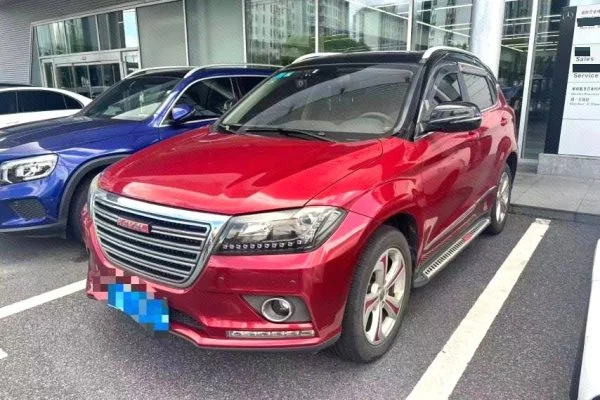
2016 Haval H2 Red Label 1.5T Premium Edition for Sale – 150 hp SUV, 6-Speed AT, Export Ready
- 2016
- 79,000 km
- Automatic
- Petrol
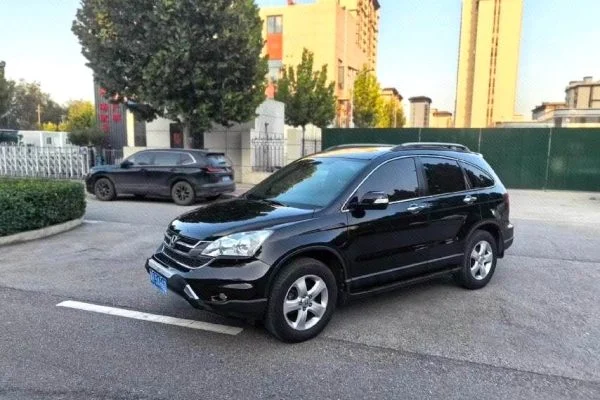
2010 Honda CR-V 2.0 LXi Urban Edition for Sale – 150 hp SUV, Low Mileage, Export Ready
- 2010
- 74,000 km
- Automatic
- Petrol
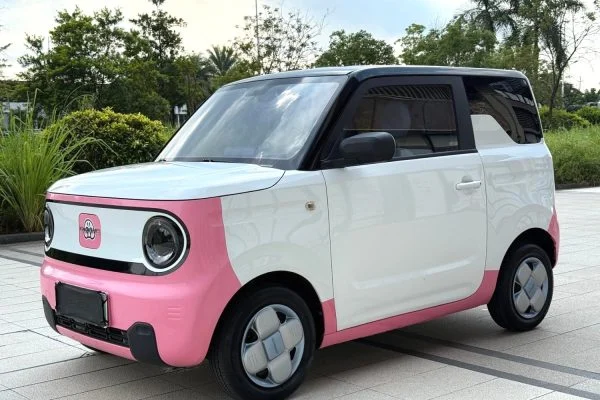
2023 Geely Panda Mini 200km Endurance Bear for Sale – 41 hp EV, 200 km Range, Export Ready
- 2023
- 20,000 km
- Automatic
- Electric
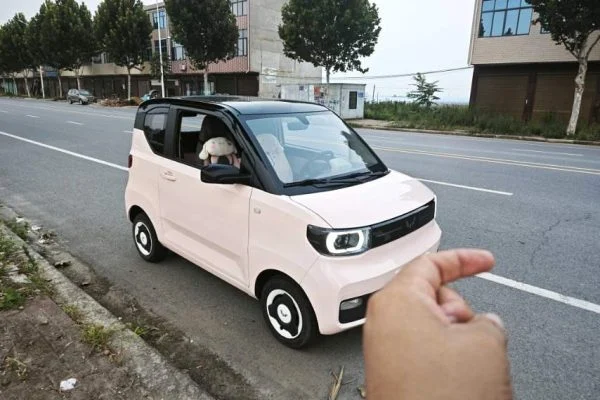
2021 Wuling Hongguang MINI EV Macaron Sandwich 120km (27 HP / RWD) – Compact City EV
- 2022
- 23,000 km
- Automatic
- Electric