









Best Used Electric Cars to Buy in 2026: Six Picks That Hold Up
The best used electric cars to buy in 2026 are not the cheapest ones. They are the models where depreciation has already done its damage, the battery chemistry still has years left, and parts exist outside China. Six Chinese EVs meet that bar right now.
Here is the shortlist with 2026 FOB pricing, then the reasoning behind each, then the ones I would avoid. Prices move weekly, so treat these as the band you should expect, not a quote.
Which used EVs are actually worth buying in 2026?
| Model | Typical year | FOB price band | Real range |
|---|---|---|---|
| BYD Han EV 506 km | 2023-2024 | $16,500-$20,000 | 400-440 km |
| Xiaomi SU7 Standard | 2024 | $22,000-$26,500 | 520-580 km |
| Zeekr 007 RWD 75 kWh | 2024 | $23,000-$27,000 | 480-520 km |
| XPeng G6 755 Pro | 2023 | $18,500-$22,000 | 500-560 km |
| Leapmotor C10 605 LiDAR | 2025-2026 | $17,000-$20,500 | 470-520 km |
| ONVO L60 60 kWh | 2024-2025 | $19,000-$23,500 | 380-420 km |
Why the BYD Han EV is the safe pick under $20,000
The Han EV has been sold in enough countries that independent garages know it. The 506 km Honor Edition uses BYD’s Blade LFP pack, 204 hp, and it is a genuinely large sedan — 4.99 m, more rear legroom than a Camry. Used 2023-2024 cars with 30,000-60,000 km sit around $16,500-$20,000 FOB.
What I like: LFP chemistry means the pack is unlikely to be the thing that kills the car, and the air suspension on higher trims is the one component I would have inspected before purchase. What I do not like: it is heavy at 2,020 kg, and the early infotainment software was sluggish. A 2024 car fixes that.
Is the Xiaomi SU7 a sensible used buy yet?
Yes, with an asterisk. The SU7 launched in March 2024, so “used” means a two-year-old car with 10,000-30,000 km. That is barely broken in. The Standard RWD version makes 299 hp and claims 700 km CLTC; real highway range lands near 520-580 km in mild weather, which is still excellent.
The asterisk is service. Xiaomi has almost no dealer network outside China, and the SU7’s electronics are tightly integrated with Xiaomi’s cloud stack. Software updates may stop arriving once the car leaves the country. Buy it because you want the hardware, not because you expect support. A 2024 SU7 Standard RWD at $22,000-$26,500 is still the most car per dollar in this list.
Which is the better driver’s car, Zeekr 007 or XPeng G6?
The Zeekr 007, and it is not close. Both use 800V architecture with fast charging, both are rear-drive, but the 007’s chassis tuning is a step above. The 75 kWh RWD car makes 422 hp, charges 10-80% in about 11 minutes on a 500 kW charger, and feels smaller than its 4.87 m length suggests.
The XPeng G6 755 Pro is the practical choice instead — a taller crossover, 296 hp, more usable boot, and roughly $4,000 cheaper. If you have passengers regularly, buy the G6. If you drive alone and like corners, buy the Zeekr 007.
What about the cheaper end — Leapmotor and ONVO?
Leapmotor’s C10 is the value play. A 2025-2026 605 km LiDAR Edition at $17,000-$20,500 is nearly new, has 299 hp on an 800V platform, and Leapmotor is expanding internationally faster than any other Chinese brand right now — which matters for parts. The C10 LiDAR Edition is the one version I would pay extra for, because the base car’s interior feels thin.
ONVO is NIO’s budget brand, and the L60 supports battery swapping in China. Outside China, that advantage disappears and you are left with a 60 kWh mid-size SUV with about 380-420 km of real range. Still fine — just do not pay a swap-network premium for it. A 2025 ONVO L60 60 kWh near $19,000 is fair; $23,000 is not.
What should you avoid?
Cars from brands that have already collapsed. HiPhi, WM Motor, and a handful of smaller names left owners without software support and with no parts pipeline. A $9,000 HiPhi looks like a bargain until a door sensor fails and nobody can supply one.
Also skip early NMC-battery cars with 100,000+ km unless the price reflects a possible pack replacement of $4,000-$7,000. LFP is the safer used bet in 2026, full stop.
Key Takeaways
- The BYD Han EV at $16,500-$20,000 is the lowest-risk used EV under $20,000.
- The Xiaomi SU7 offers the most hardware per dollar but weak overseas support.
- Zeekr 007 wins on driving; XPeng G6 wins on practicality and price.
- Leapmotor C10 is the best nearly-new value; avoid brands that have shut down.
- Prefer LFP packs, demand a BMS health report, and budget for one surprise.
Related Vehicles
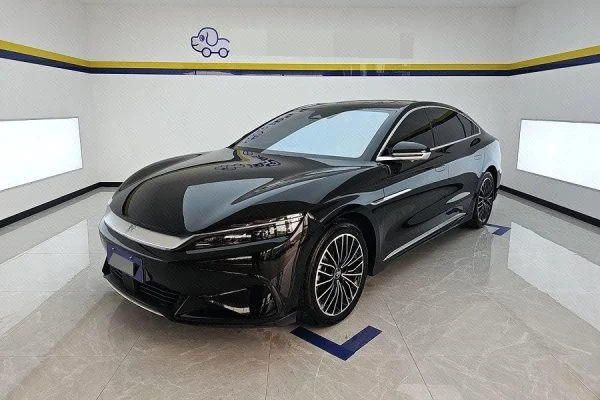
2024 BYD Han EV 506KM Honor Edition Noble (204 HP / FWD) – Executive Electric Sedan
- 2024
- 6 km
- Automatic
- Electric
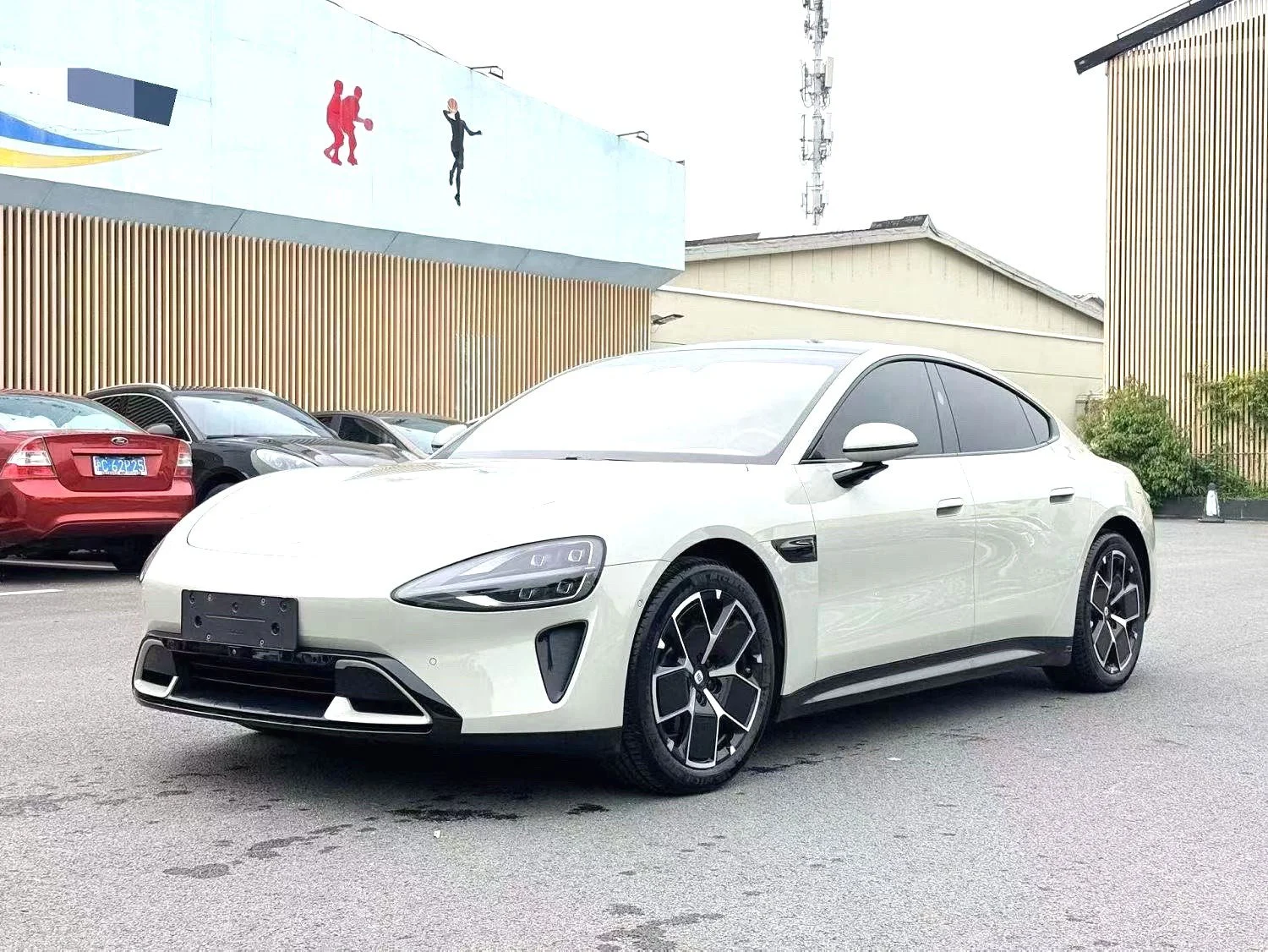
2024 Xiaomi SU7 700km Standard RWD (299HP / 9,800km) Electric Sport Sedan
- 2025
- 9,800 km
- Automatic
- Electric

2024 Zeekr 007 RWD Enhanced 75kWh (310kW / 422HP / 800V EV) Luxury Electric Sedan
- 2024
- 17,000 km
- Automatic
- Electric

2023 XPENG G6 755 Long Range Pro (218kW / 296HP / 800V SiC) Electric Coupe SUV
- 2024
- 59,000 km
- Automatic
- Electric